


Deciding whether adding a concentrated liquid to your skincare regimen is a smart move often leads to the question of whether serum is good for your face. These lightweight, potent formulas are designed to deliver high concentrations of specific nutrients directly to the skin, bypassing the heavier texture of traditional creams.
By focusing on targeted concerns like dark spots, fine lines, or dehydration, they act as the heavy lifters of a daily routine. Understanding how these products interact with your existing layers of care can help you determine if they are the missing link in your quest for a healthier, more radiant complexion.
Understanding the Role of Active Ingredients

At the heart of any effective skincare product lies its active ingredients. Serums are essentially vehicles for these components, formulated to carry concentrated doses of substances like vitamin C, retinol, or niacinamide.
Unlike lotions that contain a high percentage of occlusives or emollients to trap moisture, serums are primarily composed of smaller molecules. This allows for deeper epidermal penetration, meaning the ingredients reach the layers of the skin where they can do the most work.
When you apply a serum, you aren’t just coating the surface; you are delivering specific compounds that trigger cellular responses. For instance, vitamin C is a powerhouse for brightening and antioxidant protection, while retinoids work to speed up cell turnover. Because they lack the fillers found in thicker creams, the concentration of these actives is significantly higher.
This makes them highly efficient for addressing persistent issues like hyperpigmentation or uneven skin texture. Using these products allows you to customize your routine based on what your skin needs at that specific moment, rather than relying on a single product to do everything.
Serum vs Moisturizer: Why You Need Both
A common point of confusion is whether you can simply swap a moisturizer for a serum. These two products serve fundamentally different functions within a healthy skincare routine.
While a serum is designed to treat specific conditions, a moisturizer is formulated to protect the skin barrier and prevent transepidermal water loss. Think of the serum as the treatment and the moisturizer as the seal.
If you skip the moisturizer, even a high-quality serum might cause your skin to feel tight or dry. This is because many serums, particularly those containing hyaluronic acid, draw moisture from the environment. Without an occlusive layer of cream or lotion on top, that moisture can evaporate, leaving your skin feeling more dehydrated than before you started.
A balanced routine uses the serum to feed the skin and the moisturizer to lock that nourishment in. By layering them correctly, you ensure your skin stays hydrated throughout the day while still reaping the benefits of the concentrated actives.
The Science of Epidermal Penetration
The efficacy of a serum is largely determined by its molecular weight. Ingredients with a smaller molecular structure can cross the skin barrier much more easily than larger, complex molecules.
When a product is formulated with low molecular weight hyaluronic acid, for example, it can penetrate deeper into the dermis to provide intense skin hydration. This scientific advantage is what sets serums apart from standard moisturizers or cleansers.
Dermatology experts often emphasize that the delivery system is just as important as the ingredient list. A well-formulated serum will have a pH level that keeps the actives stable and effective. When you apply these products, you are essentially creating a pathway for nutrients to reach the areas where collagen production or pigment regulation occurs.
This high level of bioavailability ensures that you aren’t wasting money on products that just sit on the top layer of your skin. It is this precision that makes serums a staple in professional-grade skincare regimens.
Addressing Hyperpigmentation and Texture
If your goal is to smooth out your complexion or fade dark spots, serums are arguably the most effective tool in your arsenal. Hyperpigmentation, often caused by sun damage or inflammation, requires consistent treatment with brightening agents.
Serums containing niacinamide or specialized botanical extracts work by inhibiting the transfer of pigment to skin cells. Over time, this leads to a more uniform skin tone.
Improving skin texture is another area where these formulas excel. Products containing chemical exfoliants or peptides encourage the shedding of dead skin cells and the synthesis of new ones. This helps to soften rough patches and minimize the appearance of enlarged pores.
When you incorporate these into your routine, you are essentially training your skin to behave more youthfully. The result isn’t overnight magic, but rather a gradual, sustained improvement in how your skin feels and reflects light.
The Importance of Skin Barrier Health
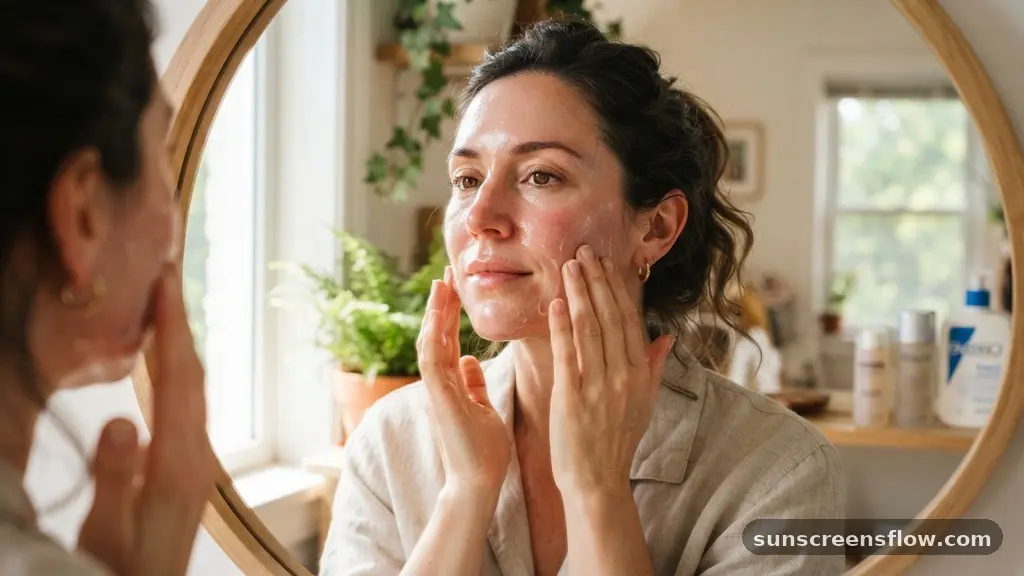
Your skin barrier is the first line of defense against environmental stressors like pollution and UV rays. A compromised barrier leads to sensitivity, redness, and chronic dryness.
Many people worry that using strong actives in a serum might damage this protective layer, but the right product can actually strengthen it. Serums infused with ceramides or peptides are specifically designed to reinforce the lipid matrix that holds your skin cells together.
When you focus on barrier repair, you improve the skin’s ability to retain water and resist irritation. This is particularly important for individuals with sensitive skin who may struggle with harsh weather or reactive products.
By choosing a serum that prioritizes soothing ingredients alongside actives, you create a buffer that allows your skin to thrive. A resilient barrier is the foundation of any glowing complexion, and a well-chosen serum is often the secret to maintaining that strength over the long term.
Common Skincare Ingredient Profiles
| Ingredient | Primary Benefit | Skin Concern |
|---|---|---|
| Vitamin C | Antioxidant protection | Dullness and sun damage |
| Retinol | Cell turnover | Anti-aging and texture |
| Hyaluronic Acid | Deep hydration | Dehydration and fine lines |
| Niacinamide | Barrier support | Redness and pore size |
Managing Sensitive Skin and Potential Irritation
One of the most frequent concerns regarding potent skincare is the risk of adverse reactions. Because serums are highly concentrated, they can sometimes be overwhelming for people with reactive skin. It is essential to approach new products with caution.
The golden rule of professional dermatology is to perform a patch test before applying anything to your entire face. Apply a small amount of the serum to your inner forearm or behind your ear and wait 24 hours to ensure no redness or itching occurs.
If you have sensitive skin, look for formulas that are non-comedogenic and free from harsh fragrances or alcohol. Start by using the serum only a few times a week, gradually increasing frequency as your skin builds tolerance.
This “slow and steady” approach allows you to enjoy the benefits of active ingredients without triggering a flare-up. Remember that your skin’s needs can change with the seasons, so don’t be afraid to cycle your products based on how your face feels during different times of the year.
Determining Your Ideal Skincare Routine Order
Proper layering is the secret to getting the most out of your beauty products. A common mistake is applying serums in the wrong sequence, which can prevent them from working effectively. The general rule is to apply products from the thinnest consistency to the thickest.
Your cleanser and toner should always come first to prepare a clean canvas. Following those, apply your serum, then your moisturizer, and finally your sunscreen during the day.
- Cleanse your face to remove debris and oils.
- Apply a water-based toner if preferred.
- Gently press your chosen serum into the skin.
- Wait 30-60 seconds for the serum to absorb.
- Lock in the hydration with a moisturizer.
- Apply SPF as the final step in your morning routine.
This order ensures that the light, active-rich molecules of the serum reach the skin before the heavier, occlusive ingredients of your cream can create a barrier. By following this sequence, you maximize the absorption of every product in your cabinet.
Answering Common Topical Gaps
Many people wonder if they should be using serums if they are already using high-quality cleansers and face creams. The reality is that while a basic routine keeps the skin clean and hydrated, it often lacks the punch required for significant skin transformations.
If you have specific, stubborn concerns like deep-set wrinkles or persistent breakouts, a basic routine may not be enough. Serums provide the clinical edge needed to address these issues at a cellular level.
Another common gap is the belief that you must spend a fortune to see results. While luxury brands offer elegant packaging and proprietary blends, the efficacy of a serum comes down to its ingredients. You can find highly effective serums containing vitamin C or retinol at various price points.
Focus on the ingredient list rather than the branding. Look for stable packaging—such as opaque, airless pumps—which prevents light and air from degrading sensitive actives like vitamin C. When you prioritize the science over the marketing, you can build a highly effective routine that fits your budget.
FAQ: Addressing Your Concerns
Should you use face serum every day?
Yes, most dermatologists recommend using serums daily for consistent results. However, the frequency depends on the specific actives. Gentle hydrating serums can be used twice daily, while stronger treatments like retinol are often better suited for nightly use to allow for skin recovery and sun protection.
What are the disadvantages of face serum?
The main disadvantage is the potential for irritation if the concentration of actives is too high for your skin type. Additionally, because they are potent, they can be more expensive than standard moisturizers. Improper storage can also lead to the ingredients breaking down and losing their effectiveness.
Do I need both serum and moisturizer?
You generally need both for a complete routine. The serum provides the concentrated treatment to address specific skin goals, while the moisturizer provides the essential hydration and barrier protection needed to keep the skin healthy. Skipping the moisturizer can often lead to increased dryness and sensitivity.
Do face serums really work?
Yes, they are highly effective because they contain a higher concentration of active ingredients compared to other skincare products. Their small molecular structure allows them to penetrate the skin more effectively, making them the best option for targeting specific concerns like hyperpigmentation, fine lines, and dullness.
Closing Thoughts on Skin Health
Integrating a serum into your daily life can be a transformative experience for your complexion. By understanding the role of active ingredients and respecting your skin’s unique needs, you can move past the guesswork and build a routine that truly delivers. Remember that consistency is your greatest ally; even the most potent formula requires time and regular application to show visible improvements.
Whether you are aiming to boost your collagen production, fade dark spots, or simply maintain a healthy barrier, there is a formulation out there that can help you reach your goals. Start small, pay attention to how your skin reacts, and don’t hesitate to consult with a professional if you have specific concerns about your skin type. When you treat your face with the right care, the results will speak for themselves.
Meta Description: Is serum good for your face? Learn how these potent formulas improve skin texture, hydration, and anti-aging results with our expert guide.


