


Have you ever wondered What is Horse Serum Used For? Horse serum, often referred to in scientific literature as equine serum, is a complex biological fluid derived from the blood of horses. It serves as a vital component in modern biotechnology, clinical medicine, and basic scientific research.
When the blood of a horse is allowed to clot and the red blood cells are removed, the remaining amber-colored liquid is rich in proteins, growth factors, and essential nutrients that support cellular survival and proliferation. Because of its unique biochemical profile, it has become an indispensable tool in laboratories worldwide, particularly where specific physiological requirements cannot be met by other common sera like fetal bovine serum (FBS).
Understanding the Composition of Equine Serum
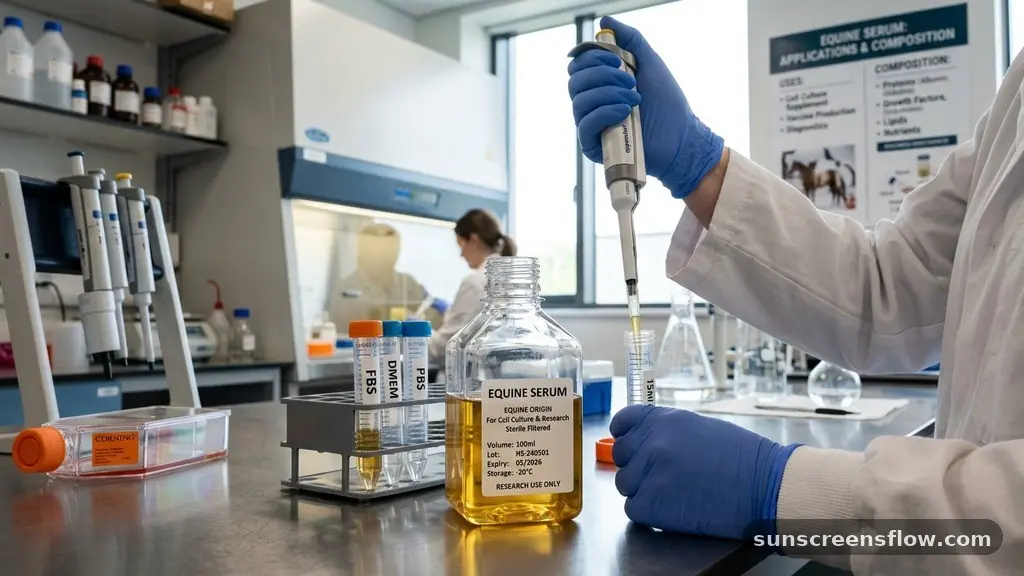
At its core, horse serum is a sophisticated cocktail of biological molecules. It contains a diverse array of proteins, including albumin, globulins, and various enzymes, alongside hormones and lipids that are crucial for maintaining homeostasis within a living organism.
In a laboratory setting, these components function as a life-support system for cells grown in vitro. The presence of growth factors is particularly significant, as these signaling molecules stimulate cell division and differentiation, allowing researchers to maintain cell lines that would otherwise struggle to thrive in more austere conditions.
One of the most defining characteristics of equine serum is its specific profile of immunoglobulin proteins. While other animal sera are often used for general cell culture, horse serum is frequently selected for its stability and its specific interaction with certain mammalian cell types.
Furthermore, its hemoglobin concentration is typically kept low during the production process to ensure that it does not interfere with optical measurements in sensitive assays. The balance of electrolytes and vitamins found in the serum mimics the physiological environment of the horse, providing a robust, nutrient-dense medium that supports the complex metabolic needs of cultured tissues and microorganisms.
Applications in Cell Culture and Laboratory Research
The primary use of horse serum is found within Applications in Cell Culture. Researchers often add this biological reagent to cell culture media to supplement the basal nutrients required for cell growth.
While fetal bovine serum is the industry standard for many applications, horse serum is frequently preferred when working with specific cell types, such as neurons or specialized immunological cells. The unique protein composition of horse serum provides a different environment that can favor the health and longevity of these delicate cells, often reducing the stress that leads to apoptosis in culture.
Beyond general maintenance, horse serum plays a critical role in the development of monoclonal antibodies. In the process of hybridoma technology, where antibody-producing cells are fused with immortalized cancer cells, the specific nutrient profile of the culture medium is paramount. The serum acts as a bridge, providing the necessary signals for these hybrid cells to proliferate and secrete the desired antibodies.
By fine-tuning the concentration of horse serum, scientists can optimize the yield of these biological reagents, which are essential for diagnostic testing and therapeutic applications in human medicine. Its ability to support dense cultures makes it a workhorse in the biotechnology industry.
The Critical Role in Antitoxin Production
Perhaps one of the most famous and historically significant uses of horse serum involves antitoxin production. For decades, it has been used to generate life-saving therapies against potent bacterial toxins. When a horse is immunized with a specific toxoid, such as that produced by Clostridium tetani, its immune system generates high titers of neutralizing antibodies.
These antibodies, collected via the serum, can then be processed and administered to human patients who have been exposed to the toxin. This passive immunization provides immediate protection that the human immune system could not generate quickly enough on its own.
This process relies heavily on the horse’s robust immune system, which is capable of producing massive quantities of specific immunoglobulin. Even in the age of synthetic antibodies, the use of equine-derived antitoxins remains a staple in emergency medicine for treating conditions like botulism or diphtheria.
While modern genetic engineering has introduced recombinant alternatives, the sheer efficacy and cost-effectiveness of horse-derived antitoxins ensure that they continue to play a pivotal role in global health. The ability to harvest these antibodies at scale demonstrates why the horse remains an essential partner in the fight against infectious diseases.
Safety and Immune Responses in Human Patients
While highly effective, the clinical application of horse-derived biological products is not without challenges, specifically regarding Safety and Immune Responses. Because the human immune system recognizes foreign proteins—even those from animals—as potential threats, there is a risk of adverse reactions. One of the most documented complications is serum sickness, a type III hypersensitivity reaction.
This occurs when the human body forms antibodies against the foreign horse proteins, leading to inflammation, fever, and skin rashes. This reaction highlights the importance of rigorous purification processes.
To mitigate these risks, manufacturers employ sophisticated purification techniques to isolate the active antibody fraction from the rest of the serum proteins. By removing unnecessary components and focusing on the therapeutic immunoglobulin, the likelihood of an adverse reaction is significantly reduced.
Furthermore, modern medical protocols involve careful screening of patients for previous exposure to animal proteins before administering horse-derived therapies. Understanding the interaction between the complement system of the human body and the foreign proteins in the serum is a major area of ongoing research, aimed at making these treatments safer for widespread clinical use.
Processing and Quality Standards for Biological Reagents
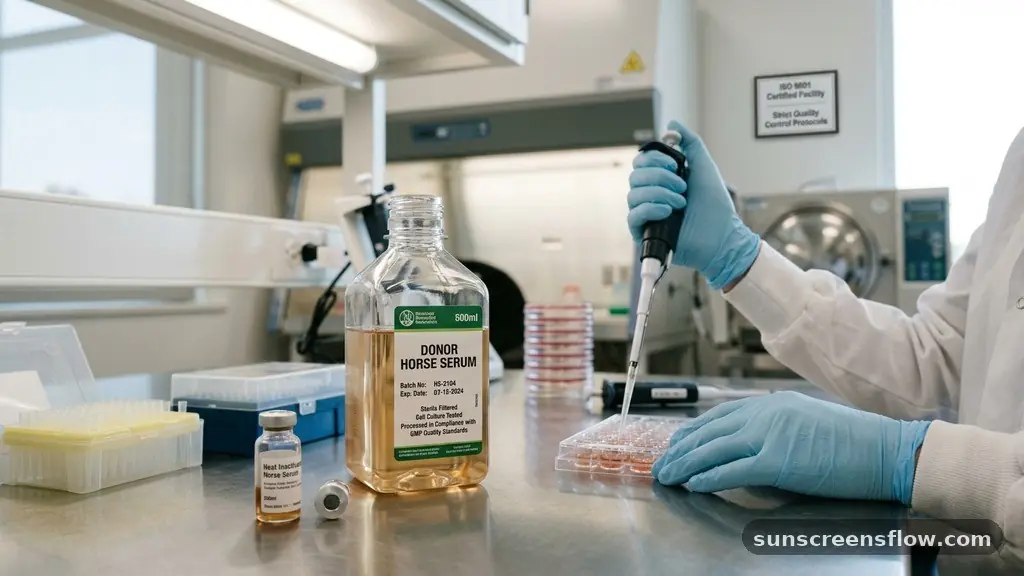
The journey from the horse to the laboratory bench involves strict Processing and Quality Standards. Once the blood is collected, it undergoes a series of steps to ensure consistency and sterility. One of the most critical steps is heat inactivation, which involves heating the serum to a specific temperature (usually 56°C) for about 30 minutes.
This process effectively disables the complement system, a group of proteins that could otherwise attack the cells being cultured in the laboratory. Without this step, the serum could inadvertently destroy the very cells it is meant to nourish.
Quality control is equally rigorous. Each batch of serum is tested for viral, bacterial, and mycoplasma contamination to ensure that it meets international safety standards. Additionally, the biochemical profile—including protein levels, pH, and osmolarity—is measured to ensure that it falls within a narrow, predictable range.
This consistency is vital for reproducibility in scientific research. Researchers rely on these standards to ensure that their experimental results are not skewed by variations in the serum batch, which is why reputable suppliers provide detailed certificates of analysis with every shipment of equine serum.
Comparison with Other Sera
When selecting a supplement for cell culture, researchers often weigh the benefits of different options. The most common comparison is between horse serum and fetal bovine serum. While FBS is a universal supplement due to its high concentration of growth factors, it is also highly variable and expensive.
Horse serum offers a distinct alternative, often proving more stable and more suitable for specific, long-term cell cultures. The following table highlights some of the key differences between these two common laboratory reagents.
| Feature | Fetal Bovine Serum (FBS) | Horse Serum |
|---|---|---|
| Primary Use | Rapid cell proliferation | Specialized cell maintenance |
| Growth Factor Level | Very High | Moderate |
| Cost | High | Moderate |
| Common Application | General stem cell research | Neuronal and hybridoma culture |
| Complement Activity | Low | High (requires inactivation) |
As shown in the table, the decision to use one over the other is rarely arbitrary. It is based on the metabolic demands of the cells being studied. For instance, cells that grow slowly and require a more controlled environment often thrive better in horse serum.
Conversely, cells that need to be expanded rapidly for industrial production usually require the nutrient-rich profile of FBS. Understanding these nuances allows scientists to optimize their experimental conditions for better accuracy and efficiency.
Key Advantages in Research
The Key Advantages in Research associated with the use of horse serum are numerous. Firstly, it offers a more predictable and standardized environment compared to other animal-derived sera. Because horses are typically larger and have a more stable adult physiology, their serum exhibits less batch-to-batch variation than serum harvested from fetal animals.
This stability is a major benefit for longitudinal studies where consistency over several months is required. Furthermore, the equine serum is often more cost-effective for large-scale industrial applications, such as the production of vaccines or diagnostic antigens.
Another major advantage lies in its specific compatibility with neural research. Studies involving neurons have shown that these cells are particularly sensitive to the culture environment. Horse serum provides the right balance of factors that support the survival of these post-mitotic cells, which are notoriously difficult to maintain in culture.
By preventing premature cell death, researchers can observe long-term neuronal development and synaptic formation, leading to breakthroughs in our understanding of neurodegenerative diseases. These specific applications solidify the importance of horse serum as a specialized tool that transcends general laboratory use.
Beyond the Laboratory Bench: Clinical and Therapeutic Roles
Beyond the laboratory bench, horse serum holds a prominent place in the history and current practice of medicine. While the most famous application is in antitoxin production, it has also been utilized in the development of various diagnostic tools.
For example, some immunological assays use horse serum to block non-specific binding sites on membranes, ensuring that diagnostic tests yield clear and accurate results. This “blocking” capacity is essential for preventing false positives in complex diagnostic procedures like Western blotting or ELISA tests, where high sensitivity is required.
In the veterinary field, horse serum is also used to treat various conditions in other animals. The development of species-specific therapies is a growing area, and the knowledge gained from human applications of horse-derived products has paved the way for advances in veterinary medicine.
Furthermore, ongoing research into the regenerative properties of serum components is exploring how these biological factors might assist in tissue repair and wound healing. While still in experimental stages, the potential for horse serum to contribute to advanced therapies beyond simple antitoxins is an exciting prospect that continues to drive scientific interest.
Future Trends and Ethical Considerations
As the field of biotechnology moves toward more defined, animal-free media, the future of horse serum is evolving. While it remains a gold standard, there is increasing pressure to develop synthetic alternatives that mimic its beneficial properties without the ethical and logistical complexities of animal sourcing.
However, for the foreseeable future, the complexity of biological systems means that nothing quite matches the performance of natural serum. The industry is focusing on more ethical, humane collection practices and more sophisticated purification methods to ensure that the reliance on animal products is as sustainable as possible.
- Standardization of collection and processing protocols to improve batch consistency.
- Increased focus on recombinant proteins to replace specific serum components.
- Development of chemically defined media that incorporate synthetic analogs of growth factors.
- Rigorous adherence to animal welfare regulations during the blood collection process.
- Advancement of filtration technologies to ensure ultra-high purity in clinical applications.
These trends indicate a shift toward a more responsible and technologically advanced use of biological reagents. As we refine our understanding of what makes horse serum so effective, we get closer to creating synthetic environments that could eventually replace it.
Until then, it remains a pillar of biological research, bridging the gap between basic discovery and life-saving clinical treatment. The ongoing dialogue between ethical considerations and scientific necessity will continue to shape how we use these powerful biological tools in the decades to come.
Frequently Asked Questions
Is horse serum still used in modern vaccines?
Yes, horse serum remains relevant in the production of certain antitoxins and antivenoms. While modern technology has introduced recombinant DNA methods, the ability of horse serum to provide rapid, high-titer antibody protection against specific bacterial toxins and venoms makes it a staple in emergency medicine worldwide.
What is the main difference between horse serum and fetal bovine serum?
The primary difference lies in their growth factor profiles and intended use. Fetal bovine serum is highly enriched for rapid cell division, making it ideal for general cell culture. Horse serum, being from an adult animal, is more stable and often better suited for specialized, slow-growing cell types.
Why must horse serum be heat inactivated?
Heat inactivation is necessary to disable the complement system, a group of proteins that can trigger an immune response or cause cellular damage in vitro. By heating the serum to 56°C, these proteins are denatured, ensuring the medium is safe and supportive for the cells being cultured.
Can humans take horse serum supplements directly?
No, horse serum is a biological reagent intended for laboratory and specific clinical medical use, not for human consumption. Direct ingestion or injection of raw serum would be dangerous and could cause severe allergic reactions, including serum sickness, due to the presence of foreign animal proteins.
Conclusion
In summary, horse serum is a multifaceted biological tool that serves as a cornerstone for both foundational research and critical clinical therapy. From its vital role in antitoxin production to its specialized application in maintaining sensitive cell lines like neurons, its utility is defined by its complex, nutrient-rich composition. While challenges regarding immune responses and the need for rigorous processing and quality standards exist, the benefits of using equine-derived reagents are clear.
As technology progresses, the methods of harvesting and utilizing this substance continue to improve, ensuring that it remains a safe and effective resource. Whether it is facilitating the creation of monoclonal antibodies or supporting the next breakthrough in cellular biology, horse serum remains an essential component of the global scientific toolkit.


