


Incorporating a potent treatment into your daily regimen is a common goal for those seeking to brighten their complexion and protect against environmental damage. Many skincare enthusiasts wonder, should you use vitamin c serum everyday to achieve optimal results? The short answer is yes, most skin types can tolerate and benefit from daily application, as this practice provides consistent defense against external stressors.
However, the efficacy of this habit depends heavily on the formulation, the concentration of active ingredients, and how well it integrates with the rest of your products. Understanding the science behind this powerhouse antioxidant is the first step toward building a routine that actually delivers visible improvements to your skin texture and tone.
The Science of Topical Antioxidants and Skin Health
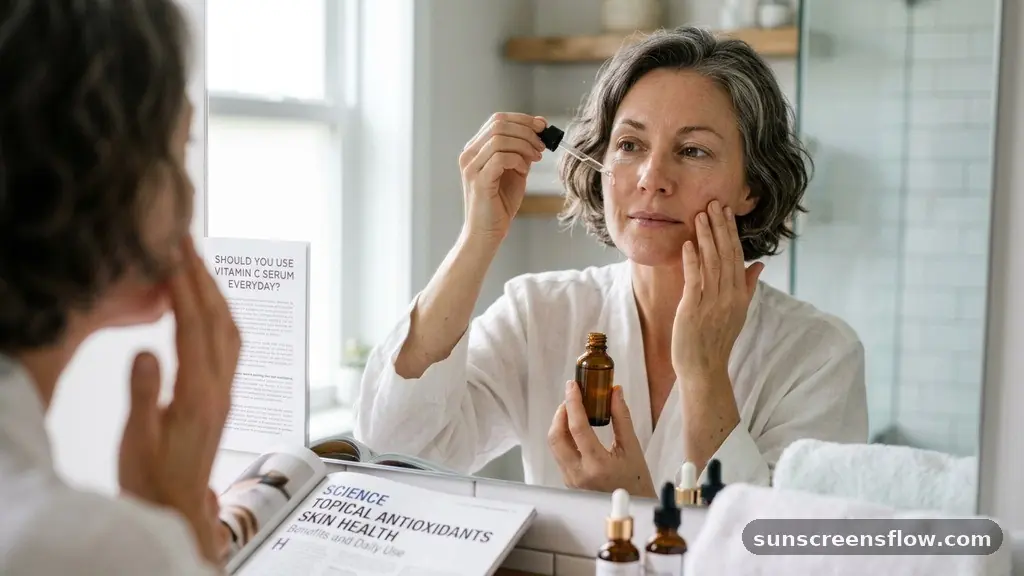
At its core, topical antioxidants act as a shield for your complexion. L-ascorbic acid, the most widely studied and potent form of vitamin C, works by neutralizing unstable molecules known as free radicals. These molecules are generated by daily UV exposure, pollution, and even blue light from screens.
When left unchecked, this oxidative stress leads to the breakdown of structural proteins, resulting in premature aging, fine lines, and dullness. By applying this serum daily, you are essentially providing your skin with a recurring supply of electrons to stabilize these harmful radicals before they can damage your cellular DNA and collagen fibers.
Beyond simple protection, this ingredient is a critical player in collagen synthesis. It acts as a necessary cofactor for the enzymes that stabilize and cross-link collagen molecules. Without adequate levels of this nutrient, the skin’s natural repair mechanisms slow down, leading to a loss of elasticity.
Integrating this into your morning skincare routine ensures that your skin has the highest levels of protection during the hours when environmental aggressors are most active. While some users fear that daily use might be too harsh, the reality is that the benefits of consistent application—namely sustained brightening and firming—far outweigh the risks for the vast majority of individuals, provided they choose the right product.
Why Morning Application is Typically Recommended
While some active ingredients are best left for the evening, the specific chemical properties of most vitamin C serums make them ideal for daytime use. Because these serums function primarily as a secondary layer of photoprotection, applying them before your sunscreen is a strategic move.
While the serum is not a replacement for SPF, it enhances the performance of your sunscreen by mopping up any free radicals that manage to penetrate the initial UV filter. This synergistic effect is why dermatologists frequently emphasize the importance of pairing these two steps.
Furthermore, the brightening effects of the serum are most appreciated during the day, as they help counteract the dulling effects of environmental pollutants. If you are concerned about whether you should use vitamin c serum everyday, consider the cumulative nature of skin brightening. Hyperpigmentation and dark spots do not fade overnight; they require consistent, long-term inhibition of melanin production.
By applying the serum every morning, you maintain a steady concentration of the active ingredient in the epidermis, which is essential for interrupting the pigment-forming process. This consistency prevents the “yo-yo” effect where the skin might brighten slightly but revert to a dull state due to inconsistent application cycles.
Navigating Concentration and Formulation Sensitivity
Not all serums are created equal, and the concentration percentage is a major factor in how often you should use them. Most high-performing formulas contain between 10% and 20% L-ascorbic acid. While higher percentages can offer faster results, they also increase the likelihood of skin irritation, especially for those with sensitive skin.
If you are just beginning your journey, it is often wise to start with a lower concentration or a more stable, non-acidic derivative of vitamin C. This allows your skin barrier to acclimate without triggering redness, stinging, or excessive dryness.
The vehicle in which the vitamin C is delivered also matters significantly. Look for formulas that include ferulic acid and vitamin E. Research has shown that these ingredients form a “triple threat” against oxidative damage; they stabilize the volatile L-ascorbic acid and significantly increase its photoprotective efficacy.
Additionally, checking for serum pH levels is vital. L-ascorbic acid is most stable and effective at a pH below 3.5.
If a product is formulated outside of this range, it may not penetrate the skin as effectively, rendering daily use less impactful. Always look for non-comedogenic options to ensure that daily application does not lead to clogged pores or breakouts, especially for those prone to oily or combination skin.
Avoiding Common Pitfalls: Oxidation and Stability
One of the most frequent reasons people stop using their serum is because they believe it has “gone bad.” Serum oxidation is a natural process where the vitamin C reacts with oxygen, light, and heat, causing the liquid to turn from clear or light straw-colored to a dark amber or brown. Once a serum has oxidized, its efficacy is significantly diminished, and it may even cause irritation due to the formation of breakdown products. If you find yourself asking should you use vitamin c serum everyday, you must also ask if your product is still potent enough to warrant that daily use.
To keep your serum stable for as long as possible, store it in a cool, dark place—the bathroom cabinet is often too humid and warm. Many enthusiasts prefer keeping their bottle in a refrigerator or a dedicated skincare fridge to extend its shelf life. If you notice a distinct, “hot dog water” smell or a significant color change, it is time to discard the product.
Using an oxidized product every day will not provide the benefits you seek and may introduce unnecessary stress to your skin. Investing in dark glass packaging or airtight, pump-style bottles can also help mitigate these issues, ensuring that your daily investment continues to pay off until the very last drop.
Strategic Layering with Other Actives

A common area of confusion involves using vitamin C alongside other potent ingredients like retinol or niacinamide. The fear of “over-treating” the skin is valid. However, with the right strategy, you can absolutely incorporate these into a comprehensive routine.
Generally, vitamin C is best kept for the morning, while ingredients like retinol are reserved for the evening due to their potential for photosensitivity and their role in cell turnover. This separation prevents potential chemical interference and reduces the risk of overwhelming your skin barrier.
When it comes to niacinamide, the old advice was to avoid mixing it with vitamin C because they could potentially cause flushing or reduce each other’s effectiveness. Modern, stabilized formulations have largely debunked this myth, but many people still prefer to apply them at different times of the day or wait 10 to 15 minutes between applications.
Hyaluronic acid is another frequent companion; because it is a humectant, it works beautifully alongside vitamin C to ensure the skin remains hydrated and plump. By creating a structured schedule, you can safely use your serum every single day without compromising the integrity of your skin barrier.
Comparison of Common Skincare Actives
| Ingredient | Best Time to Use | Primary Benefit |
|---|---|---|
| Vitamin C | Morning | Antioxidant protection & brightening |
| Retinol | Evening | Cell turnover & anti-aging |
| Niacinamide | Morning or Evening | Barrier support & oil control |
| Hyaluronic Acid | Anytime | Hydration & plumping |
Addressing Potential Side Effects for Sensitive Skin
Even with the best products, some individuals experience a tingling sensation or mild redness when they first start using a vitamin C serum. This is usually a temporary reaction as the skin adjusts to the low pH of the formula. However, if the irritation persists, it is a sign that you should adjust your frequency. Patch testing is an essential step for anyone with a history of skin sensitivity.
Apply a small amount of the product to your inner forearm or behind your ear and observe the area for 24 hours. If there is no reaction, you can safely proceed to use it on your face.
For those who simply cannot tolerate daily use, it is perfectly acceptable to start by using the serum every other day or even just three times a week. The goal is to build a consistent habit that your skin can tolerate. If you experience persistent peeling, itching, or burning, stop usage immediately and focus on repairing your moisture barrier with ceramides and soothing agents.
Once your skin has returned to its baseline, you can reintroduce the serum, perhaps at a lower frequency or a lower concentration. Remember, dermatological advice is always your best resource if you are unsure about your skin’s reaction to active ingredients.
Integrating Exfoliation and Maintenance
When you use a serum daily, you must be mindful of your exfoliation habits. Because vitamin C is often formulated as an acid, it provides a very mild, superficial exfoliation on its own.
If you are also using physical scrubs or strong chemical exfoliants like AHAs or BHAs, you risk stripping your skin of its protective oils, leading to inflammation. A balanced routine typically involves using chemical exfoliants only a few nights a week, ensuring that they do not overlap with your daily vitamin C application.
Consistency in your routine also means paying attention to how your skin feels over time. If your skin feels tight or looks shiny in an unhealthy way, you might be over-exfoliating. By prioritizing a gentle cleanser and a robust moisturizer, you can keep your skin barrier intact, which in turn allows your vitamin C serum to work more effectively.
Think of your skin as a garden: the serum is the fertilizer, but the soil—your moisture barrier—must be healthy for the plant to thrive. Maintaining this equilibrium is the secret to getting the most out of your daily antioxidant treatment.
Topical Gaps: Addressing Common Misconceptions
A major topical gap in the current discourse is the distinction between synthetic and natural vitamin C derivatives. While L-ascorbic acid is the gold standard, many newer products use derivatives like Sodium Ascorbyl Phosphate or Tetrahexyldecyl Ascorbate. These are often more stable and less irritating, which leads to the question: should you use vitamin c serum everyday if it contains these derivatives?
Yes, these are actually designed for daily use and are often more suitable for individuals who find pure L-ascorbic acid too aggressive. They do not require the same low-pH environment to be effective, making them easier to layer with other products.
Another gap is the role of diet vs. topical application. While consuming oranges and leafy greens is excellent for systemic health, the concentration of vitamin C that actually reaches the skin through oral intake is limited.
Topical application allows for a much higher local concentration, which is why it is necessary to apply it directly to the face for cosmetic benefits like brightening and collagen stimulation. Do not rely on diet alone to solve skin issues; the two approaches work in tandem to support overall skin resilience.
Final Considerations for a Sustainable Routine
Building a routine that you can stick to is the most important factor in seeing results. If you are constantly skipping days because you are unsure of the rules, you will never see the cumulative benefits of the ingredient. The following list outlines the best practices for maintaining a consistent and effective vitamin C regimen:
- Always apply your serum to clean, dry skin to ensure maximum absorption.
- Allow the product to fully absorb for 1-2 minutes before applying your next layer.
- Always follow up with a broad-spectrum sunscreen, as the serum can slightly increase skin sensitivity to UV rays.
- Monitor your skin for changes; if you notice persistent redness, dial back the frequency to every other day.
- Keep the bottle tightly sealed and stored in a cool, dark place to prevent premature oxidation.
- Be patient; it typically takes 6 to 12 weeks of consistent daily use to see significant changes in hyperpigmentation.
Ultimately, the answer to “should you use vitamin c serum everyday” is a resounding yes for those who want to maximize their skin’s health and appearance. By treating it as a foundational step in your morning routine, you invest in the long-term protection and vitality of your complexion. As long as you choose a stable, well-formulated product and listen to your skin’s feedback, you will likely see a brighter, more resilient, and more youthful-looking face over time.
Frequently Asked Questions
Can I use vitamin C serum at night instead of the morning?
Yes, you can use it at night, but morning is generally preferred because the serum provides antioxidant protection against daytime environmental stressors. If you prefer to use other actives like retinol at night, moving your vitamin C to the morning helps you avoid potential product layering conflicts.
Does vitamin C serum make my skin more sensitive to the sun?
No, quite the opposite. Vitamin C is a powerful antioxidant that actually helps protect the skin from UV-induced free radical damage. However, because it is an active ingredient, you must always wear sunscreen, as UV rays can degrade the serum and trigger underlying skin sensitivity.
How long does it take to see results from daily use?
Most individuals start to notice a brighter, more radiant complexion within 3 to 4 weeks of consistent daily use. However, for more significant results like the fading of dark spots or improvement in fine lines, it often takes 8 to 12 weeks of daily application.
Should I stop using vitamin C if I have a breakout?
If your breakout is caused by a poor reaction to the serum itself, you should stop using it. However, if the breakout is unrelated to the product, you can typically continue use, provided the formula is non-comedogenic and not causing further irritation to the inflamed areas.
Conclusion
Deciding whether you should use vitamin c serum everyday is a matter of balancing your skin’s unique needs with the proven benefits of one of skincare’s most effective ingredients. By neutralizing free radicals, supporting collagen production, and brightening the complexion, this serum acts as a vital component of a protective morning routine. While it is essential to be mindful of formulation stability, concentration, and potential for irritation, the majority of users will find that consistent, daily application leads to significant improvements in skin tone and resilience.
By following the best practices outlined—such as storing your product correctly, layering it appropriately with sunscreen, and listening to your skin—you can confidently incorporate this powerhouse antioxidant into your life for long-lasting, visible results. Remember that skincare is a marathon, not a sprint, and the key to success lies in the steady, daily commitment to your skin’s health.


