


Newborn calf serum is a specialized biological fluid derived from the blood of calves shortly after birth, serving as a critical supplement in cell culture and biotechnological research. Scientists utilize this substance primarily to provide essential growth factors, nutrients, and hormones that facilitate the proliferation of mammalian cells in controlled laboratory environments.
While often discussed in the same breath as fetal bovine serum, newborn calf serum possesses a distinct biochemical profile that makes it uniquely suited for specific types of cell lines and industrial applications. Understanding the intricacies of its collection, processing, and application is vital for researchers aiming to maintain consistent, reproducible results in their cell-based experiments.
The Biological Origins and Collection Process
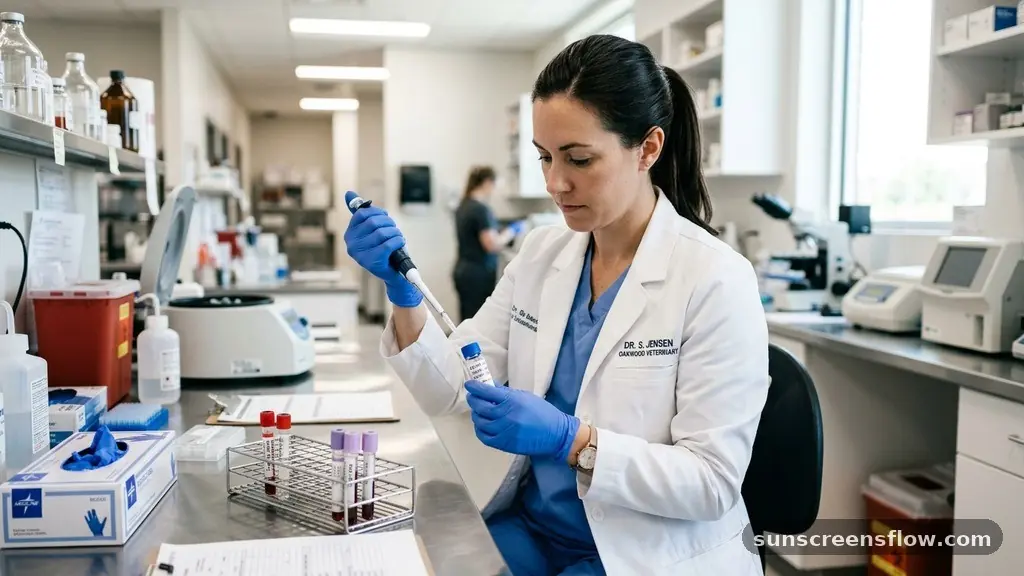
The production of newborn calf serum begins with the careful collection of blood from calves that are typically less than ten days old. Unlike fetal bovine serum, which is harvested from the fetus during the processing of pregnant cows, newborn calf serum is obtained post-natally.
This difference in developmental timing significantly influences the concentration of various bioactive molecules present in the final product. The collection process is conducted under strictly regulated veterinary supervision to ensure that the serum is free from contaminants and that animal welfare standards are rigorously upheld throughout the supply chain.
Once the blood is collected, it undergoes a process known as coagulation, where the fibrinogen is removed to leave behind the clear, straw-colored liquid known as serum. This liquid is then subjected to a series of filtration steps, most notably 0.1-micron triple filtration, to ensure the removal of any potential mycoplasma, bacteria, or other particulate matter. Because this product is a biological derivative, the quality of the raw material is paramount.
Manufacturers must implement stringent testing protocols to verify that the serum meets the required standards for endotoxin levels and hemoglobin concentration, which are key indicators of the serum’s purity and quality. The transition from raw blood to refined serum is a delicate operation that requires precise temperature control to prevent the degradation of heat-sensitive proteins and growth factors.
Composition and Biochemical Profile
The efficacy of newborn calf serum in cell culture stems from its rich and complex chemical makeup. Key components include: a diverse array of essential amino acids, vitamins, lipids, and trace minerals that act as a substrate for cellular growth. Furthermore, the serum is abundant in various proteins that serve as attachment factors, helping cells adhere to culture vessels and maintain their structural integrity. These proteins, such as albumin and transferrin, play a fundamental role in transporting nutrients into the cell and maintaining osmotic pressure within the culture medium.
Beyond basic nutritional support, the serum acts as a reservoir for essential hormones and growth factors. These signaling molecules are indispensable for stimulating mitosis and regulating cellular metabolism. Because the calf has recently been born and is experiencing rapid developmental changes, the serum contains a distinct profile of these signaling agents compared to adult bovine serum or fetal serum.
This profile makes it particularly effective for specific cell lines that require high levels of certain growth-promoting factors to reach peak density. The exact concentration of these components can vary slightly between batches, which is why reputable suppliers provide comprehensive certificates of analysis for every lot produced, allowing researchers to account for potential variability in their experimental designs.
Comparison with Fetal Bovine Serum
One of the most frequent points of confusion in biotechnology is the distinction between newborn calf serum and fetal bovine serum. In contrast to fetal bovine serum, which is derived from the unborn calf, newborn calf serum is sourced from calves that have already transitioned to life outside the womb. This shift in physiological environment means that newborn calf serum contains higher levels of antibodies, such as immunoglobulins, and different concentrations of growth hormones. For many researchers, the choice between these two products depends on the specific requirements of the cell line being cultured.
Fetal bovine serum is often preferred for highly sensitive primary cell cultures because it contains the highest concentration of embryonic growth factors. However, newborn calf serum is frequently used as a more cost-effective alternative for established cell lines that do not require the intense stimulatory factors found in fetal serum.
Furthermore, because newborn calf serum is easier to procure and does not involve the same ethical concerns associated with fetal harvesting, many labs are shifting toward it for large-scale production where high-density growth is the primary goal. The following table highlights the general differences in their biological profiles:
| Feature | Fetal Bovine Serum | Newborn Calf Serum |
|---|---|---|
| Source | Fetal blood | Post-natal calf blood |
| Growth Factor Content | Extremely High | High/Moderate |
| Antibody Levels | Negligible | Higher |
| Typical Use | Primary cells/Stem cells | Established cell lines |
Applications in Biotechnology and Pharmaceutical Research
The utility of newborn calf serum extends across a wide range of biotechnological applications. It is most commonly used as a supplement in basal media like DMEM or RPMI-1640 to support the growth of fibroblasts, epithelial cells, and various immortalized cell lines.
By providing a stable, nutrient-rich environment, the serum allows for the rapid expansion of cell populations, which is a prerequisite for vaccine manufacturing and the production of therapeutic proteins. In the pharmaceutical industry, the consistency of cell growth is a non-negotiable metric, and the use of high-quality serum is a primary driver of success in these processes.
Beyond standard cell expansion, newborn calf serum is also utilized in diagnostic assays and the production of monoclonal antibodies. Its role as a buffering agent and a source of protease inhibitors helps protect cells from mechanical shear stress and enzymatic degradation during the culture period.
As researchers move toward more complex 3D culture models and organ-on-a-chip technologies, the demand for high-quality, standardized serum continues to grow. The ability to manipulate the serum concentration in a culture medium allows scientists to fine-tune the growth rate and metabolic activity of their cells, providing a powerful tool for experimental control in drug discovery and toxicology testing.
Storage, Handling, and Safety Protocols
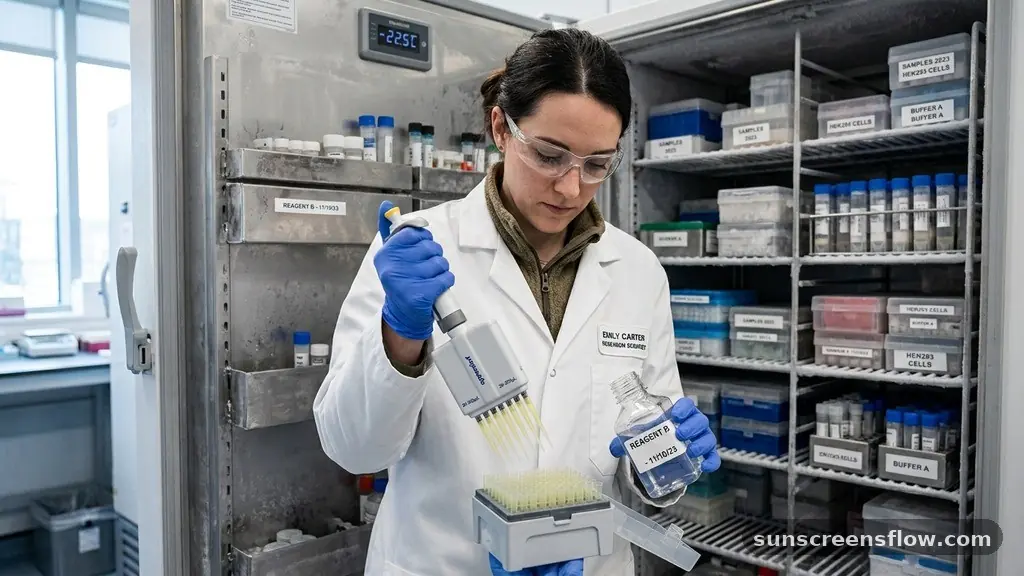
Maintaining the integrity of newborn calf serum requires adherence to strict Storage, Handling, and Safety Protocols. Serum is a heat-labile substance, meaning that its biological potency can be rapidly diminished if it is exposed to improper temperatures. It is recommended that serum be stored at -20°C or lower to prevent the degradation of its active components.
When researchers are ready to use the serum, they must follow a controlled thawing process. The Shelf Life: When stored correctly, however, once thawed, the serum should be used within a few weeks, as repeated freeze-thaw cycles can lead to the precipitation of proteins and the loss of essential growth factors.
Safety is another critical aspect of serum management. Because the product is of bovine origin, there is a theoretical risk of contamination with adventitious agents such as viruses or prions. To mitigate these risks, reputable manufacturers employ rigorous screening processes, including testing for bovine viral diarrhea virus (BVDV) and other common pathogens.
Labs should also implement their own secondary testing if they are working with sensitive cell lines. Wearing appropriate personal protective equipment and working within a certified biosafety cabinet are standard Best Practices for Serum Management to protect both the researcher and the integrity of the cell culture from cross-contamination.
Addressing Topical Gaps in Serum Literature
Despite the widespread use of newborn calf serum, there are significant gaps in the available literature regarding the standardization of batch-to-batch variability. Many researchers find that changing from one lot to another results in unexpected fluctuations in cell behavior. To address this, it is essential to discuss the practice of “lot testing.”
Before committing to a large volume of serum, laboratories should request samples from multiple lots and perform a side-by-side comparison using their specific cell line. This proactive approach identifies which lot provides the most consistent growth kinetics and morphology, effectively neutralizing the impact of biological variability.
Another gap lies in the understanding of how serum components interact with synthetic media additives. While serum is often treated as a “black box” of nutrients, modern analytical techniques like proteomics are beginning to reveal exactly which proteins are most active during different phases of the cell cycle.
By understanding that certain growth factors in newborn calf serum are more effective during the lag phase versus the log phase of growth, researchers can optimize their feeding schedules. This level of granular control is often overlooked in basic protocols but is the hallmark of advanced cell culture management.
The Role of Serum in Mitigating Cellular Stress
Cell culture is inherently a stressful process for biological samples, as cells are removed from their native tissue environment and placed in an artificial plastic or glass container. Newborn calf serum acts as a vital protective buffer in this transition. The proteins found in the serum help to coat the surface of the culture vessel, facilitating better cell-to-substrate attachment.
This attachment is not merely a physical state; it is a signal-transduction event that tells the cell it is safe to proceed with proliferation. Without the factors provided by the serum, many cell types would undergo apoptosis or enter a state of senescence.
Furthermore, the serum provides essential antioxidants that help neutralize reactive oxygen species (ROS) generated during metabolic processes. In high-density cultures, the accumulation of metabolic waste and oxidative stress can lead to rapid cell death.
The presence of serum-derived albumin and other scavenger molecules helps to stabilize the microenvironment, allowing cells to survive longer and reach higher densities. This protective effect is particularly important when scaling up processes for industrial production, where the shear forces generated by stirring or agitation can cause significant cellular damage.
Standardization and Quality Control Measures
To ensure that results are reproducible across different laboratories, the industry has adopted a series of standard quality control measures for newborn calf serum. These metrics are not just suggestions; they are benchmarks for reliability. When evaluating a potential supplier, researchers should look for documentation regarding the following:
- Endotoxin levels (measured in EU/mL) to ensure the serum is free from bacterial contamination.
- Hemoglobin concentration, which serves as a proxy for the quality of the collection process and the degree of hemolysis.
- Protein content, which should fall within a consistent range to ensure nutrient availability.
- Viral screening, specifically for pathogens that could compromise the health of the cell lines.
- Growth promotion assays, which demonstrate the ability of the serum to support the proliferation of standard cell lines like VERO or CHO cells.
By adhering to these standards, the scientific community ensures that the data produced in one lab can be replicated in another, maintaining the integrity of the entire research ecosystem.
Future Trends in Serum-Free Alternatives
As the field of biotechnology evolves, there is a growing interest in moving toward defined, serum-free media. While newborn calf serum remains the gold standard for many applications due to its cost-effectiveness and broad utility, the industry is increasingly looking for ways to reduce reliance on animal-derived products. Serum-free media offer the advantage of a completely defined chemical composition, which eliminates batch-to-batch variability and simplifies the regulatory approval process for clinical-grade products.
However, the transition to serum-free systems is not always straightforward. Many cell lines have become “addicted” to the complex cocktail of growth factors found in serum, and weaning them off these components requires significant time and optimization. For the foreseeable future, newborn calf serum will continue to occupy a central role in both academic research and industrial manufacturing.
The future of the field likely lies in a hybrid approach, where serum is used in the early stages of cell development and then phased out in favor of synthetic, chemically defined media for the final production steps. This balanced strategy allows labs to leverage the benefits of serum while working toward more sustainable and predictable long-term practices.
Frequently Asked Questions
What is the primary difference between newborn calf serum and fetal bovine serum?
Newborn calf serum is collected from calves shortly after birth, while fetal bovine serum is harvested from the fetus. This difference means newborn calf serum contains more antibodies and a distinct profile of growth factors, making it better suited for certain established cell lines compared to fetal serum.
How should newborn calf serum be stored to maintain its quality?
The serum should be stored at -20°C or lower to preserve its heat-sensitive proteins and growth factors. It is crucial to avoid repeated freeze-thaw cycles, as these can lead to protein precipitation and loss of biological activity. Once thawed, the serum should be used within a few weeks.
Is newborn calf serum safe for use in all cell culture applications?
While widely used, it is not universally applicable. Some highly sensitive primary cultures may require the specific growth factor profile of fetal bovine serum. Researchers should always conduct lot testing to ensure the serum meets the specific metabolic requirements of their unique cell line before large-scale use.
Why is batch testing important when purchasing serum?
Batch testing is essential because biological products naturally vary. Even within the same manufacturer, different lots can have slight variations in hormone or protein concentrations. Testing samples from multiple lots ensures that the serum provides consistent growth kinetics and prevents unexpected experimental results due to batch-to-batch differences.
Conclusion
Newborn calf serum remains an indispensable tool for researchers and biotechnologists who rely on consistent cell growth to drive innovation. By understanding its biochemical profile, the importance of quality control, and the nuances of its application, scientists can maximize the utility of this biological supplement while minimizing experimental variability.
While the industry continues to explore serum-free alternatives, the reliability and cost-effectiveness of newborn calf serum ensure its continued relevance in modern science. Through rigorous handling practices and careful batch selection, laboratories can maintain the high standards of reproducibility required for groundbreaking research and commercial production.


