


A skin serum is a lightweight, highly concentrated skincare treatment designed to deliver potent doses of active ingredients directly into the deeper layers of the skin. Unlike traditional lotions or creams that primarily function to seal in moisture, serums are engineered with a smaller molecular structure to facilitate rapid absorption. Because they contain a higher concentration of specific compounds, they act as targeted solutions for persistent dermatological concerns, ranging from stubborn hyperpigmentation to loss of elasticity.
By integrating these products into your daily facial skin care routine, you provide your skin with a therapeutic boost that standard moisturizing steps simply cannot achieve. Understanding what is a skin serum requires looking past the marketing and recognizing it as a delivery system for high-performance chemistry.
The Science of Formulation and Molecular Weight
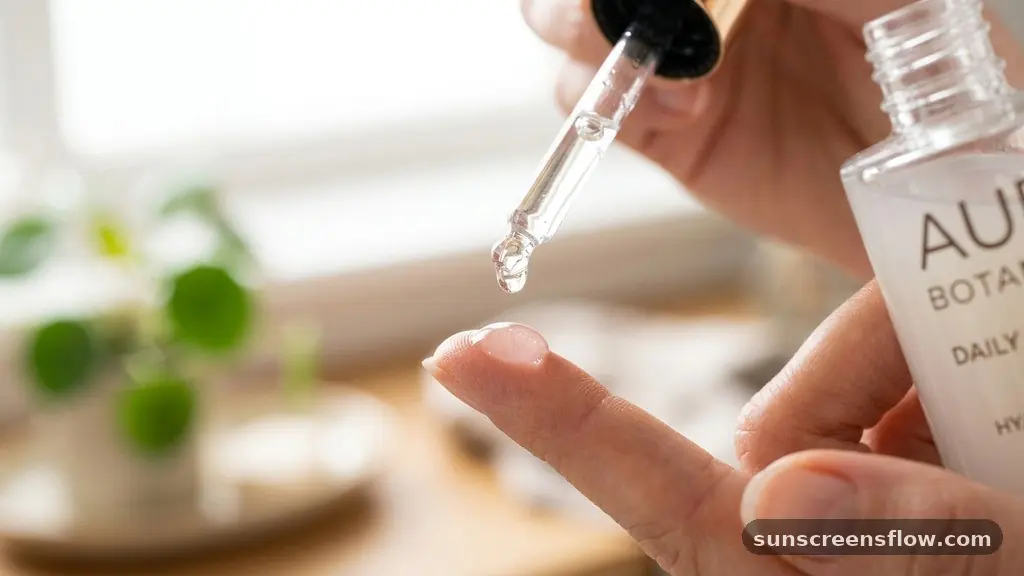
The primary characteristic that distinguishes a serum from a standard face moisturizer is its formulation. Most serums are either water-based or oil-based, but they lack the thickening agents, occlusives, and heavy emollients found in creams.
This unique composition allows for a significantly lower molecular weight, which is the secret behind why these products are so effective. When you apply a product with a low molecular weight, the active ingredients can bypass the superficial dead skin cells and penetrate the epidermis more effectively.
This rapid absorption rate ensures that the potent actives—such as vitamin C or niacinamide—reach the areas where they can provide the most benefit. While a cream stays largely on the surface to prevent trans-epidermal water loss, a serum acts as a vehicle for internal repair. This does not mean one replaces the other; rather, they serve different functions.
The serum treats the issue, while the moisturizer locks in that treatment and protects the skin barrier from environmental stressors. If you view your skin as a canvas, the serum is the specialized primer that corrects the underlying surface, while the moisturizer is the protective sealant.
Targeted Delivery of Active Ingredients
At the heart of every effective serum is a high concentration of active ingredients. These are the workhorses of your skincare regimen.
Because serums do not contain the “fillers” or emulsifiers that give creams their texture, manufacturers can pack them with a much higher percentage of beneficial compounds. This makes them the most efficient way to address specific skin goals.
Common active ingredients often found in high-quality serums include:
- Vitamin C: A powerful antioxidant that brightens dull complexions and neutralizes free radicals.
- Hyaluronic Acid: A humectant capable of holding 1,000 times its weight in water, providing intense hydration.
- Retinol: A vitamin A derivative that accelerates cell turnover and promotes collagen production.
- Niacinamide: A versatile form of Vitamin B3 that regulates oil production and minimizes the appearance of pores.
- Peptides: Amino acid chains that signal the skin to repair itself and maintain structural integrity.
By choosing a serum with the right concentration of these actives, you can customize your routine to address your specific needs. Whether you are battling signs of aging, uneven skin tone, or chronic dehydration, there is a formulation designed to target that exact mechanism within the skin.
Hydration vs. Moisture: The Role of Serums
One of the most frequent points of confusion for consumers is the distinction between hydration and moisture. In the context of skin biology, hydration refers to the water content within the skin cells, whereas moisture refers to the oil content or the skin’s ability to retain its lipid barrier.
Serums are often the primary source of hydration in a routine. Ingredients like hyaluronic acid or glycerin are hygroscopic, meaning they pull moisture from the environment or deeper skin layers and hold it against the surface.
If your skin feels tight, looks dull, or shows fine lines that seem to disappear when you drink water, you are likely dealing with dehydration. A serum helps replenish this water content. However, without a moisturizer to follow, this water will eventually evaporate—a process known as trans-epidermal water loss.
This is why a dermatologist will almost always recommend following a serum with a cream. The cream acts as an occlusive, creating a physical barrier that prevents the water introduced by the serum from escaping into the air. This synergy is essential for maintaining a healthy, resilient complexion.
Addressing Hyperpigmentation and Skin Texture
Beyond basic hydration, serums are the gold standard for correcting surface imperfections. Hyperpigmentation, which includes dark spots, acne scars, and sun damage, is notoriously difficult to treat with simple cleansers or light creams.
Because these issues involve melanin production deep within the basal layer of the epidermis, you need a product that can penetrate deeply. Serums containing chemical exfoliation agents like AHAs (Alpha Hydroxy Acids) or brightening agents like kojic acid and tranexamic acid are designed to speed up the shedding of pigmented cells and inhibit further melanin production.
Similarly, if you are struggling with rough skin texture, serums containing exfoliating acids help to dissolve the “glue” holding dead skin cells together. By encouraging a more efficient turnover cycle, these serums reveal the fresher, smoother skin underneath.
Consistent use of these treatments over several weeks can lead to a noticeable refinement in pore size and an overall glow. It is important to note that when using active serums for texture and pigment, the skin becomes more sensitive to the sun; therefore, the use of a broad-spectrum SPF during the day is non-negotiable.
The Synergy Between Serums and Creams
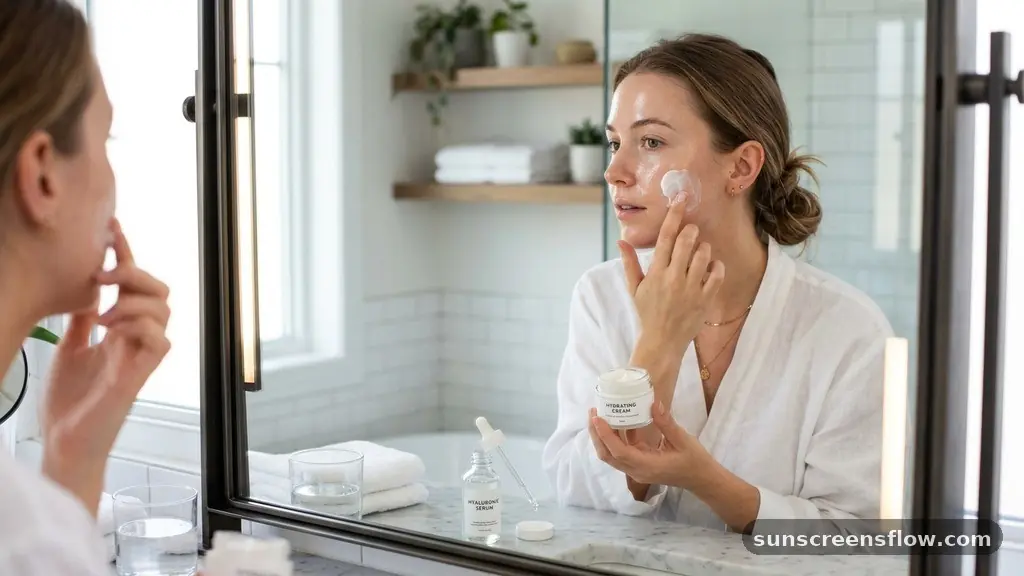
It is common for beginners to ask about serum vs. cream as if they are competing products, but they are actually complementary. A face moisturizer is designed to support the skin barrier, providing the lipids and fatty acids necessary to keep the skin supple and protected from external pollutants. A serum, conversely, is designed to change the skin over time.
If you use a cream alone, you are protecting the skin you have. If you use a serum alone, you are attempting to treat or improve the skin, but you risk leaving it vulnerable to environmental damage.
| Feature | Face Serum | Face Moisturizer |
|---|---|---|
| Primary Function | Treatment of specific concerns | Barrier support and hydration |
| Texture | Lightweight, fluid, gel-like | Creamy, thick, occlusive |
| Absorption Rate | Rapid | Moderate to slow |
| Main Goal | Corrective action | Protection and sealing |
When building your routine, the rule of thumb is to apply products from the thinnest consistency to the thickest. This ensures that the serum reaches the skin first, where its low molecular weight can be fully utilized, followed by the cream, which locks everything in.
Collagen Production and Anti-Aging Benefits
As we age, the body’s natural collagen production slows down, leading to a loss of skin elasticity and the formation of wrinkles. While it is impossible to stop the aging process entirely, topical application of specific serums can significantly mitigate the visual effects.
Retinoids and peptides are the primary ingredients used in anti-aging serums. Retinoids work by stimulating the fibroblasts in the dermis to produce more collagen, while peptides provide the building blocks necessary for that synthesis.
When you use an anti-aging serum, you are essentially “training” your skin to behave in a more youthful way. This is not an overnight process. Collagen remodeling takes time, and the results of a good serum are often cumulative.
By introducing these ingredients into your routine in your late twenties or early thirties, you create a preventative buffer that keeps the skin structure firm for longer. The key to success here is consistency; using a high-quality peptide serum twice a day will yield far better results over a year than an expensive, intermittent treatment.
The Importance of pH Balance and Formulation
The health of your skin is heavily dependent on its pH balance. The skin’s “acid mantle” is a slightly acidic film that protects against bacteria and keeps the skin hydrated. Many harsh cleansers can strip this mantle, leading to sensitivity.
One of the hidden benefits of a well-formulated serum is its ability to help restore or maintain this optimal pH. Many active ingredients, particularly those used for chemical exfoliation, are formulated at a specific pH to ensure they remain stable and effective without causing unnecessary irritation.
If you are using multiple serums, you must be mindful of their pH levels. For example, some forms of vitamin C require a very low, acidic pH to remain stable, while other ingredients may be neutralized if the pH is too low.
This is why layering too many active serums can sometimes lead to irritation or render the products ineffective. If you are uncertain, it is best to consult a dermatologist who can help you map out a routine that respects your skin’s natural balance while still providing the benefits of multiple active compounds.
Common Topical Gaps: Why Some Serums Fail
Many people feel that serums “do not work” for them, which is often a result of a disconnect between their skin type and the product’s formulation. A common topical gap is the misuse of comedogenic ingredients.
Some oil-based serums use heavy, pore-clogging oils that can cause breakouts in individuals prone to acne. If you have oily or acne-prone skin, look for labels that explicitly state they are non-comedogenic and opt for water-based formulas that provide hydration without the heavy lipid load.
Another common gap is the degradation of ingredients. Vitamin C, for instance, is notoriously unstable and can oxidize when exposed to light or air, turning a dark orange color and losing its potency. If you are using a serum that is packaged in a clear bottle, you are likely losing the benefits of the product before you even finish the bottle.
Always look for serums in opaque or airless pump packaging to ensure the active ingredients remain potent until the last drop. Additionally, ensure you are not over-exfoliating. If you use a serum with retinol and another with AHAs, you may be damaging your skin barrier, leading to redness and inflammation rather than the desired glow.
Integrating Serums into Your Daily Routine
Integrating a serum into your facial skin care routine should be a deliberate process. Start by identifying your primary skin concern. If it is dullness, start with a morning vitamin C serum.
If it is dryness, a hyaluronic acid serum applied to damp skin is ideal. If you are concerned about fine lines, a retinol-based serum at night is the industry standard. Always perform a patch test on your neck or behind your ear to ensure you do not have an adverse reaction to the high concentration of actives.
Once you have selected your product, the application technique matters. Apply 3–4 drops to your fingertips and gently press the serum into your skin rather than rubbing it vigorously. This pressing motion ensures even distribution and minimizes tugging on delicate skin.
Wait about 60 seconds for the serum to fully absorb before applying your moisturizer. This simple pause allows the actives to penetrate the epidermis, ensuring that your moisturizer does not interfere with the absorption rate of the serum. Remember, a little goes a long way; these products are highly concentrated, and using more than the recommended amount will not speed up your results—it will only waste product and potentially overwhelm your skin.
Frequently Asked Questions
Do I need to use both a serum and a moisturizer?
Yes, it is highly recommended to use both. A serum provides the concentrated active ingredients to treat specific concerns, while a moisturizer acts as a protective barrier to lock in hydration and prevent water loss. Using them together ensures your skin is treated and protected simultaneously.
Is it safe to use a face serum every day?
Most serums are designed for daily use, but it depends on the ingredients. Gentle, hydrating serums like those with hyaluronic acid can be used twice daily. However, potent active serums containing retinol or strong chemical exfoliants may require a more gradual introduction to avoid skin irritation.
What is the most common mistake when applying serum?
The most common mistake is applying the serum on completely dry skin or failing to follow up with a moisturizer. For water-based serums like hyaluronic acid, applying them to slightly damp skin helps lock in more moisture. Always follow with a moisturizer to seal the active ingredients in.
Can I layer multiple serums at once?
You can layer serums, but you should limit it to two or three at most to avoid irritation. Always apply the thinnest, most watery consistency first and wait for it to dry before applying the next. Be careful not to combine conflicting ingredients, such as certain acids and retinol.
Conclusion
Understanding what is a skin serum is essential for anyone looking to move beyond basic maintenance and into the realm of targeted skin health. By utilizing high concentrations of active ingredients like vitamin C, retinol, and hyaluronic acid, serums provide a pathway to address specific dermatological concerns that creams simply cannot reach. Their unique low-molecular-weight formulation ensures that these powerful compounds penetrate deeply, offering results that improve skin texture, hydration, and overall luminosity.
While they are not a replacement for a moisturizer or a healthy lifestyle, they serve as the most effective tool in your arsenal for long-term skin transformation. By selecting the right formula for your skin type and maintaining a consistent application routine, you can effectively manage the signs of aging and environmental damage, resulting in a healthier, more resilient complexion. Remember that patience is key; the true power of these concentrated treatments is revealed through consistent, daily application and the thoughtful layering of products that support your skin’s natural barrier.


