


Achieving radiant, glowing skin often involves incorporating high-performance products into your daily regimen, and few ingredients are as celebrated as vitamin C. However, this powerhouse antioxidant is notoriously finicky. Knowing how to store vitamin C serum correctly is the difference between reaping the brightening, anti-aging benefits of the product and applying a useless, oxidized liquid to your face.
Because vitamin C, particularly in the form of L-ascorbic acid, is highly reactive, it demands specific environmental conditions to maintain its structural integrity. When exposed to common bathroom stressors like humidity, temperature fluctuations, and light, the serum begins a process of serum degradation, rendering it ineffective before you have even reached the bottom of the bottle.
Understanding the Fragile Nature of L-ascorbic Acid
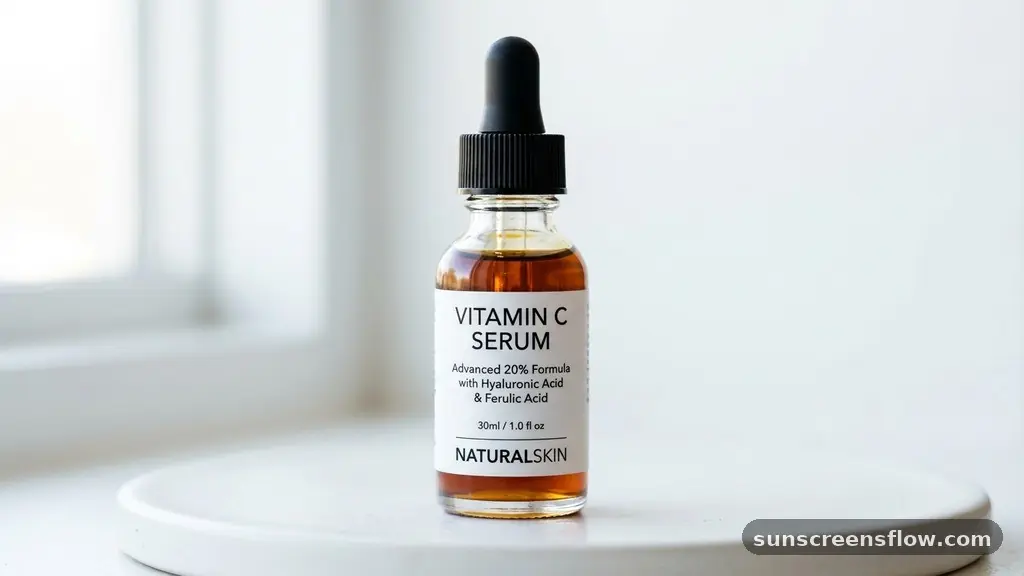
To appreciate why storage matters, one must first understand the chemistry of the ingredient. L-ascorbic acid is the most potent and well-researched form of vitamin C, but it is also the most unstable. In a cosmetic formulation, this active ingredient is designed to penetrate the skin barrier to neutralize free radicals and boost collagen production.
However, its chemical structure is highly susceptible to oxidation. When the serum is exposed to oxygen, the molecules break down, causing the liquid to shift in color—typically from clear or pale yellow to a deep orange or brown.
This chemical transformation isn’t just a cosmetic issue; it signifies that the antioxidants have been neutralized. Once the product has oxidized, it can no longer provide the intended benefits to your skin. In some cases, oxidized serum can even cause mild irritation.
The stability of your serum relies on maintaining a precise pH balance, which is easily disrupted by moisture and heat. Because the ingredient is so prone to breaking down, manufacturers go to great lengths to package it securely, but once that seal is broken, the responsibility for maintaining skincare stability shifts entirely to the user.
The Role of Packaging and Material Science
When you purchase a high-quality serum, you will notice that it almost always arrives in an amber glass bottle or an opaque, airless pump. This is not merely an aesthetic choice; it is a fundamental requirement for product longevity. Glass is non-reactive, meaning it won’t leach chemicals into your serum, while the dark tint of the amber glass serves as a shield against ultraviolet light.
Light exposure is one of the primary catalysts for the degradation of active ingredients. Even in a brightly lit bathroom, the photochemical reactions occurring within the bottle can accelerate the breakdown of the vitamin C molecules.
The dropper bottle is a common delivery system, but it is also a potential liability. Every time you unscrew the cap to use the product, you introduce a fresh volume of air into the bottle. This repeated air exposure is the fastest way to trigger oxidation.
To mitigate this, always ensure you replace the cap immediately after use and tighten it securely to maintain an airtight seal. If your serum comes with a pump mechanism rather than a dropper, you are already at an advantage, as these systems are designed to minimize the amount of oxygen that enters the container during each application.
Climate Control and the Debate Over Refrigeration
One of the most common questions regarding skincare storage is whether the refrigerator is truly necessary. While it is true that vitamin C is sensitive to heat sensitivity, it does not necessarily need to be kept in the fridge unless you live in a very hot, humid climate.
For the average person, a dark cool place is usually sufficient to maintain the integrity of the product. A bathroom cabinet that is away from the shower or a vanity drawer in a climate-controlled bedroom is often the ideal environment.
However, if your living space lacks air conditioning or experiences significant temperature swings throughout the day, the refrigerator can be a helpful tool. The lower temperature effectively slows down the chemical reaction rates that lead to serum degradation.
If you choose to store your serum in the fridge, ensure it is placed in a spot where it won’t be subject to freezing or excessive moisture, such as the door shelf rather than the back of the fridge near the cooling element. Consistency is key; moving a product in and out of the fridge repeatedly can create condensation inside the bottle, which can introduce water and destabilize the cosmetic formulation.
Identifying Signs of Serum Degradation
Even with the best intentions, it is vital to know when your product has reached the end of its shelf life. Because vitamin C is so reactive, even perfect storage will not prevent it from eventually losing potency. The most obvious indicator of oxidation signs is a change in color.
If your serum was initially clear or pale straw-colored and has turned a dark, rusty orange, it is a clear signal that the formula has oxidized. While a slight yellowing can sometimes occur due to the natural aging of the formula, a dark, muddy color is a definitive sign to discard it.
Beyond color, the scent can also be a reliable indicator. Pure vitamin C, specifically L-ascorbic acid, often has a faint, metallic, or slightly acidic smell. If the serum begins to smell rancid, sour, or develops a “burnt” odor, the chemical composition has likely shifted.
Additionally, if the texture changes—becoming thicker, stickier, or developing a gritty, crystalline sensation—the ingredients may be precipitating out of the solution, indicating that the skincare stability has been compromised. Trust your senses; if the product looks or smells “off,” it is safer to stop using it.
Optimizing Your Daily Skincare Routine
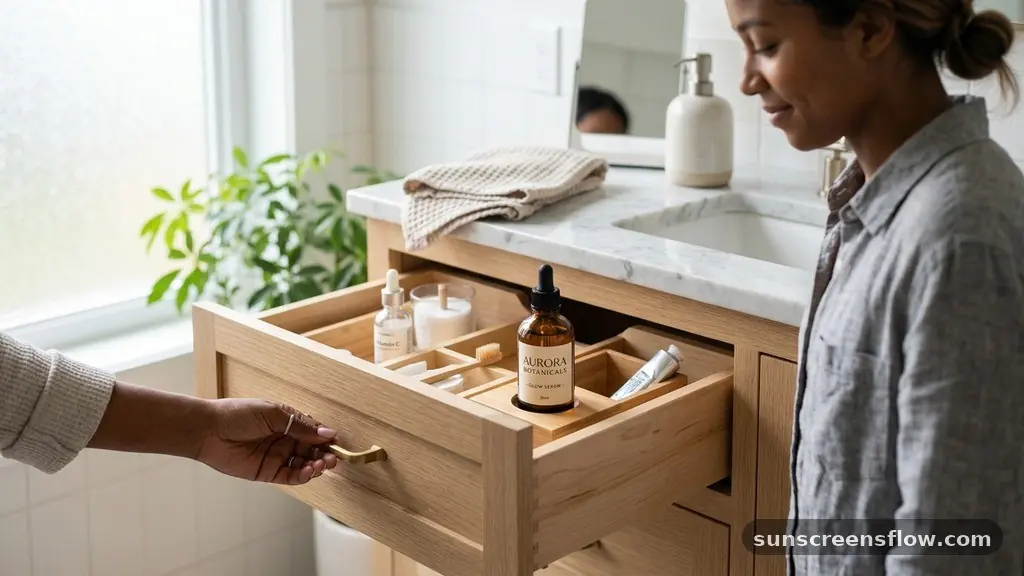
Integrating your storage habits into your skincare routine is the best way to ensure consistent results. Many people make the mistake of leaving their serum on a sunny windowsill or near a steaming shower, both of which are detrimental to the product.
Instead, designate a specific, climate-controlled zone for your active serums. If you use your vitamin C in the morning, keep it in a drawer near your mirror, but ensure that drawer is not located directly next to a heat source like a radiator or a window that gets direct sunlight.
Practicing good hygiene is also an essential part of moisture control and preventing contamination. Never touch the tip of the dropper to your skin, as bacteria from your face can be transferred back into the bottle, potentially altering the pH balance and accelerating the breakdown of the serum.
Instead, dispense the required amount into your clean palm or onto your fingertips. By keeping the bottle clean and avoiding cross-contamination, you extend the window of efficacy for your product, allowing you to use the entire bottle before it becomes ineffective.
Strategic Storage Solutions for Different Environments
Depending on your living situation, your storage strategy may need to be adjusted. The goal is always to minimize exposure to light, heat, and oxygen. The following table outlines how to optimize your storage based on common environmental factors.
| Environmental Factor | Risk Level | Recommended Storage Strategy |
|---|---|---|
| High Humidity (Bathroom) | High | Store in an opaque, airtight container inside a drawer away from the shower. |
| Temperature Fluctuations | Medium | Keep in a consistent climate-controlled area, such as a bedroom vanity. |
| Direct Sunlight | Very High | Must be kept in a cupboard or drawer; never leave on a countertop. |
| Warm Climate (>25°C) | High | Refrigeration is recommended to preserve shelf stability. |
By assessing your specific environment, you can tailor your approach to ensure that you are protecting your investment. If you live in a small apartment where the bathroom gets very steamy during showers, it is almost always better to keep your skincare products in a separate room. Protecting the active ingredients from the environment is a core pillar of effective skin maintenance.
Common Mistakes That Shorten Product Life
Many skincare enthusiasts unknowingly sabotage their products through simple, everyday habits. One of the most frequent errors is keeping the bottle on a bathroom vanity where it is exposed to both high heat from blow-dryers and high humidity from the shower. The combination of heat and water vapor is the enemy of skincare storage.
Another mistake is buying in bulk. While it might seem economical to purchase a large bottle of vitamin C serum, the product will inevitably begin to degrade once opened. Smaller bottles are almost always a better choice for L-ascorbic acid products because you are more likely to finish them before they oxidize.
Another point of contention is the use of clear bottles. While some brands use clear glass for marketing aesthetics, it is inherently poor for vitamin C. If you find yourself with a clear bottle, transfer it to a dark-colored container or keep it inside the original cardboard box it came in.
The box acts as a secondary barrier against ultraviolet light and helps maintain a more stable ambient temperature around the bottle. Furthermore, always ensure that the cap is screwed on tightly. It is surprising how often products are left “half-closed,” which allows a slow, steady stream of oxygen to enter the bottle, significantly reducing the shelf life.
The Impact of Storage on Skin Health
The ultimate goal of using vitamin C is to protect the skin barrier from environmental stressors. When you use a product that has been stored correctly, you are applying a fresh, potent dose of antioxidants that can effectively neutralize free radicals generated by pollution and UV rays.
However, when you use a degraded serum, you are essentially applying a liquid that has already lost its chemical reactivity. Not only does this waste your money, but it also deprives your skin of the protection it needs to maintain a youthful, healthy appearance.
Properly stored vitamin C is a vital component of a preventative anti-aging strategy. It works in tandem with sunscreen to provide a robust defense against photo-aging. If your serum is unstable, your entire morning routine is compromised.
By investing a few minutes into organizing your storage space and being mindful of how you handle your products, you are directly contributing to the long-term health and vitality of your complexion. Think of your storage method as an extension of your skincare application—it is just as important as the ingredients themselves.
Essential Tips for Maintaining Potency
To summarize the most effective practices for keeping your serum in peak condition, consider these actionable steps. These guidelines are designed to help you maintain the cosmetic formulation and ensure that every drop you apply is as potent as the first.
- Always store your serum in its original dark glass bottle to block harmful ultraviolet light.
- Keep the product in a dark cool place, such as a vanity drawer, away from direct sunlight and heat sources.
- Ensure the cap or pump is tightened immediately after each use to maintain an airtight seal.
- Consider storing your serum in a dedicated skincare mini-fridge if you live in a hot or humid climate.
- Avoid keeping your skincare products in the bathroom if possible, as the moisture and temperature swings are detrimental to skincare stability.
- Check the expiration date and monitor for changes in color or odor to identify when the product is no longer active.
- If you must use a dropper, avoid touching the glass tube to your face to prevent bacterial contamination.
By following these simple rules, you can maximize the efficiency of your skincare investment. Remember that the chemistry of your products is fragile; treating them with care is an essential part of a high-functioning beauty regimen.
Frequently Asked Questions
Does vitamin C serum have to be refrigerated?
While refrigeration is not strictly mandatory for all vitamin C serums, it is highly recommended for those living in warm, humid climates. Storing the product in a cool, dark environment helps maintain skincare stability and prevents the rapid oxidation that can occur when the formula is exposed to heat.
How can I tell if my vitamin C serum has gone bad?
The most reliable sign of serum degradation is a significant color change. If your serum has turned from clear or light yellow to a deep orange or brown, it has oxidized and lost its potency. Additionally, a sour, metallic, or rancid odor indicates the product is no longer effective.
Can I leave my vitamin C serum in the bathroom?
It is generally advised against keeping your serum in the bathroom. The high humidity from showers and the frequent temperature fluctuations can break down the cosmetic formulation. For the best results, store your bottle in a bedroom drawer or a cool cupboard away from any direct heat sources.
How long does an opened bottle of vitamin C serum last?
Most vitamin C serums are designed to remain effective for about three to six months after opening, provided they are stored correctly. Once exposed to air oxidation, the potency of the active ingredients gradually declines. If you cannot finish the bottle within this timeframe, it may be losing its efficacy.
The journey to better skin is paved with small, consistent habits. By understanding the chemistry behind your favorite products, you can ensure that you are getting the full value and benefit of every application. Vitamin C is a powerful ally in your quest for a bright, healthy complexion, but it requires a level of care that matches its potency.
From selecting the right storage location to being vigilant about signs of degradation, these practices will help you keep your serum fresh and effective for as long as possible. Remember that the integrity of your skincare routine begins with how you treat your products before they even touch your skin.
By prioritizing skincare storage and respecting the delicate nature of L-ascorbic acid, you are setting the stage for long-term skin health and radiance. Stay consistent, keep your bottles sealed tight, and enjoy the transformative power of a well-preserved, high-potency serum.


