

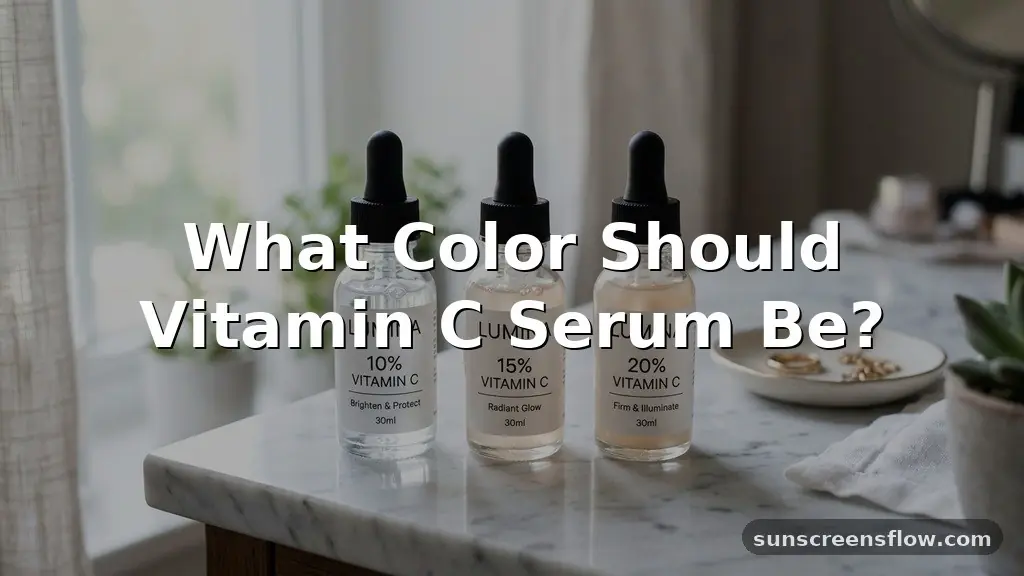
When you invest in high-quality skincare, you expect your products to perform at their peak. Among the most popular yet temperamental active ingredients, L-ascorbic acid stands out as a gold standard for brightening and protection. However, many users find themselves questioning the integrity of their product when the liquid begins to shift in hue.
Understanding what color should vitamin C serum be is essential for maintaining your routine’s effectiveness and ensuring you aren’t applying a degraded product to your skin. Ideally, a fresh, potent formula should appear clear or possess a very faint, straw-colored tint. Any deviation from this spectrum serves as a visual indicator of the chemical changes occurring within the bottle.
The Visual Spectrum of Vitamin C Stability
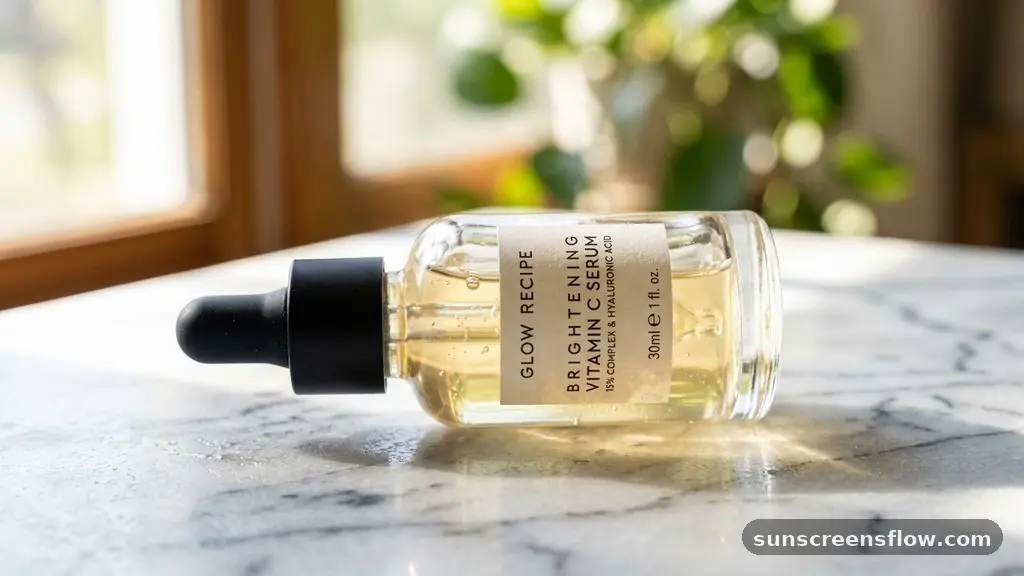
A high-quality vitamin C serum, specifically those formulated with L-ascorbic acid, typically starts its life as a clear, colorless liquid. This clarity is a hallmark of a freshly manufactured, stable product.
In some cases, depending on the specific cosmetic formulation and the inclusion of other active ingredients like ferulic acid or vitamin E, the serum might have a very pale yellow or light champagne hue right out of the box. This slight coloration is often normal and does not necessarily indicate that the product has lost its skincare potency.
However, the transition from clear or pale yellow to a darker shade is a clear signal of serum oxidation. As the ascorbic acid is exposed to oxygen, it begins to degrade, transforming into dehydroascorbic acid and, eventually, other oxidation products. This chemical shift is not just a change in appearance; it represents a decline in the molecule’s ability to neutralize free radicals effectively.
When you notice your serum moving toward a deep yellow or orange tone, it is essentially a warning sign that the stability of the active ingredient is compromised. Monitoring these visual changes is the most accessible way for a consumer to gauge the remaining shelf life of their product.
Identifying the Stages of Serum Oxidation
To better understand the degradation process, it helps to categorize the color changes you might observe over the course of your product’s life. While individual formulas vary, the progression of dark oxidation usually follows a predictable path.
A clear serum is the ideal, while a slight yellow tint is generally acceptable if the product is relatively new. Once the liquid reaches a deeper amber or orange tint, the efficacy of the product has likely diminished significantly.
| Serum Color | Status | Action Required |
|---|---|---|
| Clear / Water-like | Optimal Potency | None; store properly. |
| Pale Straw / Light Yellow | Acceptable | Use within 2-3 months. |
| Deep Yellow / Orange | Degraded | Discard; efficacy is low. |
| Brown / Dark Amber | Fully Oxidized | Dispose immediately. |
When a serum turns a brown serum color, the oxidation process is complete. At this stage, the chemical bonds have broken down to the point where the product is no longer providing the intended antioxidant benefits.
Applying a brown, oxidized serum to your face is not necessarily dangerous in a toxic sense, but it is entirely useless for your dermis health. You are essentially applying a liquid that has lost its active “punch,” and in some instances, the oxidation byproducts could potentially cause mild irritation or sensitivity on particularly reactive skin types.
Why L-Ascorbic Acid is Highly Unstable
The primary reason users constantly ask about color changes is the inherent instability of L-ascorbic acid. This molecule is notoriously sensitive to its environment. It is a hydrophilic antioxidant, meaning it loves water but hates the conditions that typically cause it to break down: light, heat, and air.
The moment you unscrew the cap of your bottle, you introduce oxygen into the container, initiating the process of air exposure. Even with a tightly sealed bottle, the microscopic amount of air trapped at the top during the manufacturing process can begin the slow decline of the ingredient.
Furthermore, light sensitivity plays a massive role in how quickly a serum degrades. UV rays can penetrate through clear glass, accelerating the chemical breakdown of the vitamin C molecule. This is why you will almost always find high-quality serums packaged in amber glass bottles or opaque, ultraviolet-protective containers.
The packaging is designed specifically to shield the fragile formulation from the light energy that would otherwise trigger rapid degradation. If you are ever tempted to store your serum in a clear glass bottle on a sunny vanity, you are effectively inviting the product to expire weeks or even months ahead of schedule.
The Role of Packaging and Formulation
Modern skincare technology has made significant strides in improving the ingredient stability of vitamin C products. One of the most effective innovations is the use of airless pump packaging.
By eliminating the internal straw and using a vacuum-driven mechanism, these bottles ensure that the serum is never exposed to external air during use. This design is vastly superior to the traditional dropper bottle, which requires you to open the product to the air every single time you apply it.
In addition to packaging, the chemical composition of the serum matters immensely. Many brands now pair L-ascorbic acid with stabilizing agents like ferulic acid and vitamin E. These ingredients do more than just provide their own antioxidant benefits; they work synergistically to slow down the oxidation of the vitamin C.
Ferulic acid, in particular, acts as a stabilizer that helps maintain the ideal pH levels required for the vitamin C to remain effective while also reducing the rate at which the serum turns that dreaded orange shade. When evaluating a product, look for these “helper” ingredients, as they are a strong indicator that the manufacturer has invested in the long-term stability of the formula.
How to Extend Your Serum Shelf Life
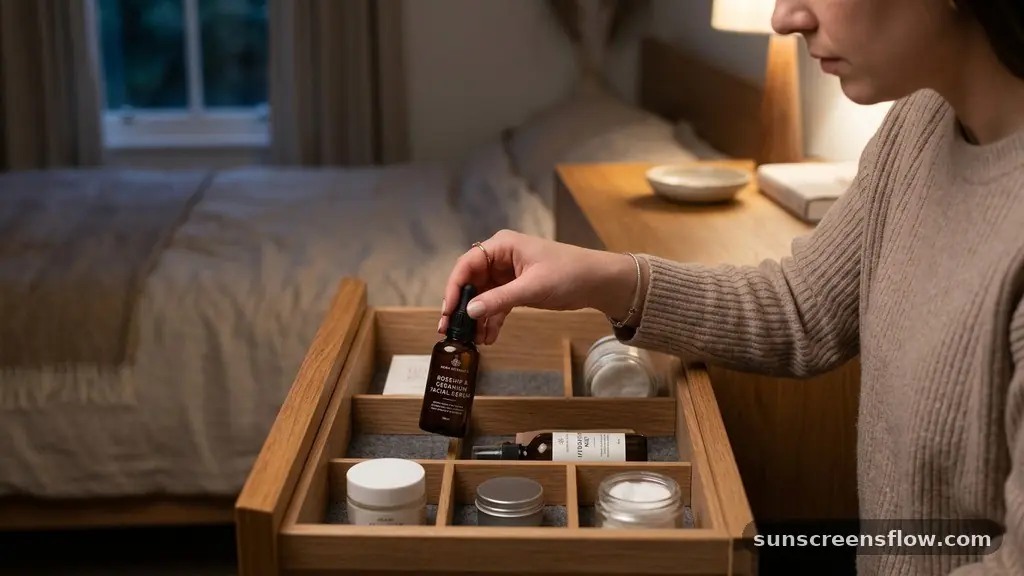
Proper serum storage is the single most effective way to slow down the inevitable transition to a dark, oxidized state. Most people keep their skincare in the bathroom, which is arguably the worst environment for a vitamin C serum. Bathrooms are typically humid and subject to temperature fluctuations as you shower.
Heat and moisture are catalysts for chemical degradation. Instead, you should aim to store your serum in a cool, dark place. A bedroom drawer or a dedicated skincare fridge is ideal.
If you do not have a dedicated mini-fridge, a dark cabinet that stays at a consistent room temperature is sufficient. The goal is to keep the product away from direct sunlight and heat sources.
Some users opt to refrigerate their serum to keep it cold, which can certainly help, but be careful: taking a cold product out and putting it back into a warm room repeatedly can cause condensation inside the bottle, which introduces water—the enemy of L-ascorbic acid stability. If you choose to refrigerate, keep the bottle in the fridge consistently until the product is empty.
- Store in a cool, dark environment away from windows.
- Avoid storing products in bathrooms due to humidity and heat.
- Ensure the cap is tightened immediately after every use.
- Consider an airless pump bottle if available.
- Check the expiration date provided by the manufacturer.
- Monitor for changes in scent, which often accompanies color changes.
The Risks of Applying Oxidized Serum
A common misconception is that an orange or brown serum is “toxic” or will cause chemical burns. In reality, the primary issue is the lack of skincare efficacy. When vitamin C oxidizes, it loses its ability to scavenge free radicals, which means you are no longer getting the anti-aging and brightening benefits you paid for.
However, there is a secondary concern: skin irritation. The oxidation products of L-ascorbic acid can sometimes be slightly more acidic or irritating to sensitive skin types than the fresh, stable version.
If you have highly reactive skin, applying an oxidized product might lead to redness, stinging, or a mild contact dermatitis-like reaction. This is not necessarily because the product has become “poisonous,” but because the chemical profile has shifted away from the balanced, optimized formula that your skin was designed to tolerate.
If you notice your serum has turned a distinct orange or brown, it is always safer to discard it. The cost of replacing a bottle is significantly lower than the cost of treating a compromised skin barrier or managing an unnecessary breakout caused by degraded ingredients.
Addressing Topical Gaps: Beyond L-Ascorbic Acid
While much of the focus in the beauty industry is on L-ascorbic acid, it is important to address the confusion regarding other forms of vitamin C. Not all serums will turn brown.
Derivatives such as Sodium Ascorbyl Phosphate, Magnesium Ascorbyl Phosphate, or Tetrahexyldecyl Ascorbate are significantly more stable than pure L-ascorbic acid. These derivatives are often used in lotions or creams and do not exhibit the same dramatic color-shifting behavior.
If you are someone who finds the maintenance of L-ascorbic acid too stressful, exploring these derivatives might be a better fit for your lifestyle. They do not require the same level of rigorous storage protocols, and they are much less prone to rapid serum oxidation. However, they also function differently on the skin and may not provide the same immediate, high-intensity brightening results as pure ascorbic acid.
Understanding the specific form of vitamin C in your product is key to knowing what to expect in terms of color changes and longevity. If your product label lists a derivative, you shouldn’t panic if it stays clear for months; that is simply the nature of the more stable molecule.
The Importance of pH Levels in Formulation
The stability of a vitamin C serum is inextricably linked to its pH levels. For L-ascorbic acid to penetrate the skin barrier effectively, it must be formulated at a low pH—typically below 3.5.
This acidic environment is crucial for the efficacy of the product, but it also creates a chemically “active” environment that is prone to change. When the pH of the serum shifts due to environmental factors or the breakdown of ingredients, the stability of the vitamin C is further compromised.
Manufacturers spend months testing the buffering agents in their formulas to ensure the pH remains stable throughout the product’s lifespan. If you notice your serum changing color, it is possible that the pH has drifted, rendering the product ineffective. This is why it is so important to buy from reputable brands that prioritize high-quality manufacturing standards.
A cheap, poorly formulated serum may have a fluctuating pH that causes it to oxidize in a matter of weeks, regardless of how well you store it. Investing in a brand that is transparent about its formulation process and stability testing can save you a lot of frustration.
Signs of Spoiled Serum Beyond Color
While color is the most obvious indicator of a problem, it is not the only one. Your nose is a powerful tool in determining the state of your skincare. Fresh L-ascorbic acid serum usually has a very faint, slightly metallic, or acidic scent.
If you notice a strong, pungent, or “hot dog water” smell, this is a major red flag. This scent change often occurs alongside the yellow discoloration or the darkening of the liquid. The odor is a result of the chemical breakdown and the formation of byproducts that simply do not belong in a high-end skincare product.
Additionally, pay attention to the serum texture. A fresh serum should be smooth, consistent, and easy to apply. If you notice the liquid becoming gritty, separating, or developing a sticky, tacky residue that wasn’t there when you first opened the bottle, the emulsion or the solvent system may be failing.
When the texture changes, it indicates that the carrier ingredients that help the vitamin C penetrate your skin are no longer functioning correctly. If you notice any of these signs—color change, strong odor, or texture shift—it is time to part ways with the product. Relying on your senses is a perfectly valid way to monitor the health of your skincare routine.
FAQ: Common Questions About Vitamin C Stability
Can I still use my vitamin C serum if it has turned slightly yellow?
A very light, pale yellow tint is often acceptable if the serum is a few months old, as it may indicate minor, expected oxidation. However, if the color is a deep yellow or orange, the potency has likely dropped significantly, and it is best to discontinue use for maximum effectiveness.
How do I know if my vitamin C serum is officially expired?
Beyond color, check for a pungent, metallic, or “sour” odor, which is a strong indicator of degradation. If the texture has become gritty or overly sticky, or if the product causes any new stinging or irritation on your skin, it is officially time to discard it.
Is it necessary to store vitamin C serum in the refrigerator?
While not strictly required, storing your serum in a cool, dark place like a drawer is essential. A refrigerator is excellent for extending shelf life, but avoid moving it in and out of the fridge, as the temperature fluctuations and resulting condensation can actually cause the product to spoil faster.
Does the color of the bottle affect how fast the serum oxidizes?
Yes, packaging is critical. High-quality vitamin C serums are almost always packaged in amber, cobalt, or opaque bottles to block UV light. Clear bottles allow light to penetrate, which provides the energy needed to trigger the oxidation process, causing your serum to turn dark and lose its potency much more quickly.
Conclusion
Navigating the world of high-performance skincare requires a bit of detective work, especially when it comes to volatile ingredients like L-ascorbic acid. The question of what color should vitamin c serum be is a vital one for any skincare enthusiast. By remembering that a clear or pale yellow appearance is the gold standard, you can easily identify when your product is performing at its best and when it is time to cycle it out.
Remember that skincare potency is a finite resource; it relies on your commitment to proper storage and mindful usage. By keeping your products away from heat, light, and air, and by paying attention to the visual and olfactory cues your serum provides, you ensure that your investment in your dermis health actually pays off.
Don’t be afraid to discard a product that has turned an orange or brown tint—your skin deserves the freshest, most effective antioxidants available. Stay observant, store smart, and enjoy the transformative benefits that a stable, high-quality vitamin C serum can bring to your daily regimen.


