

Determining the correct order for applying skincare products often feels like solving a complex chemistry puzzle, especially when you are trying to decide whether to apply your face oil or serum first. The golden rule of effective skincare layering is to move from the lightest, most water-like consistency to the heaviest, most oil-rich product. Because a water-based serum is designed to penetrate deep into the epidermis to deliver concentrated active ingredients, it must be applied to clean, slightly damp skin before any thicker, lipid-based products.
If you were to apply a heavy oil first, it would act as a physical barrier, effectively blocking the thinner serum from ever reaching its target destination. Understanding this sequence ensures you maximize the efficacy of your products while maintaining the health of your skin’s natural protective barrier.
Understanding Molecular Weight and Skincare Absorption
The primary reason we prioritize specific products in our routine is the molecular weight of the ingredients. Products with smaller molecules are capable of traveling deeper into the skin’s layers, whereas larger molecules tend to sit on the surface to provide protection or locking mechanisms.
When you look at the composition of a serum, you will find that it is formulated with a low viscosity to ensure rapid absorption rate. These formulas are typically aqueous, meaning they are water-soluble and can easily traverse the intercellular spaces of the stratum corneum.
On the other hand, a face oil consists of larger, heavier molecules. These substances are hydrophobic, meaning they do not mix with water. When you apply an oil, it creates a film on the surface of the skin.
This film is highly beneficial for barrier repair and preventing transepidermal water loss, but its structure is fundamentally incompatible with the deep penetration required for serums. By observing the principle of “thinnest to thickest,” you allow the active ingredients—such as peptides, niacinamide, or antioxidants—to do their work without interference. Once these ingredients have been absorbed, the oil serves as the final seal, locking in the hydration provided by the serum.
The Role of Humectants and Occlusives
To master the art of layering, you must understand the difference between a humectant and an occlusive. A humectant is an ingredient, such as hyaluronic acid or glycerin, that draws moisture from the environment or deeper layers of the skin to the surface.
These are the stars of most serums. Because they attract water, they need to be applied to skin that has some moisture present, and they need to be sealed in to prevent that moisture from evaporating into the air.
This is where the occlusive property of oils comes into play. An occlusive agent creates a physical barrier on the skin’s surface, preventing water from escaping. If you apply your oil before your humectant-heavy serum, you are essentially sealing the skin before you have provided the hydration that the humectant is meant to attract and hold.
This can lead to a feeling of tightness or dehydration, even if you are using expensive products. By applying the serum first, you provide the “drink” of water your skin needs, and by following it with an oil, you provide the “lid” that keeps that water from evaporating. This synergy is the foundation of a healthy, hydrated complexion.
Optimizing Active Ingredients for Maximum Efficacy
Many people incorporate potent active ingredients into their routines to address specific concerns like hyperpigmentation, fine lines, or acne. Ingredients like vitamin c, retinol, and chemical exfoliants are highly sensitive to the environment and the pH of the skin. When you use these in a serum format, you need them to reach the living cells where they can stimulate collagen production or inhibit melanin synthesis.
If you apply a thick face oil over these actives, you might inadvertently alter their delivery. While some oils can act as penetration enhancers for certain actives, for the vast majority of consumers, the risk of blocking the active ingredient is far higher than the potential benefit of enhanced delivery. Furthermore, if you use a high-quality botanical oil, it may contain its own antioxidants that could interact with your serum’s actives.
Keeping the serum in direct contact with the skin surface ensures that the concentration of the active ingredients remains stable and effective. Always wait a few minutes after applying your serum to allow it to fully absorb before applying your oil. This “dry down” period is crucial for ensuring that the serum has penetrated the skin and is not just sitting on top, which would cause pilling or unwanted shine.
Preventing Pore Clogging and Managing Skin Texture
A common fear among those with oily or acne-prone skin is that using an oil will lead to breakouts or worsened skin texture. However, the fear is often misplaced—it is rarely the oil itself that causes issues, but rather the way it is applied or the specific type of oil chosen. When you apply a non-comedogenic oil correctly, it can actually help regulate your skin’s own oil production by signaling that the skin is sufficiently moisturized.
The key to avoiding pore clogging is ensuring the oil is the final step, not an obstacle. If you apply a serum that contains active ingredients designed to clear pores, and you put an oil on top of it, the oil acts as a sealant for those actives. If you reverse this order, you trap the serum underneath a layer of lipids, which can lead to a congested feeling.
Furthermore, if you use a heavy, comedogenic oil, it will sit on top of your serum and potentially trap debris or dead skin cells. By choosing light, plant-derived oils and ensuring they are applied after your serum has fully absorbed, you maintain a clear, refined texture without compromising on hydration.
The Science of Emulsions and Layering
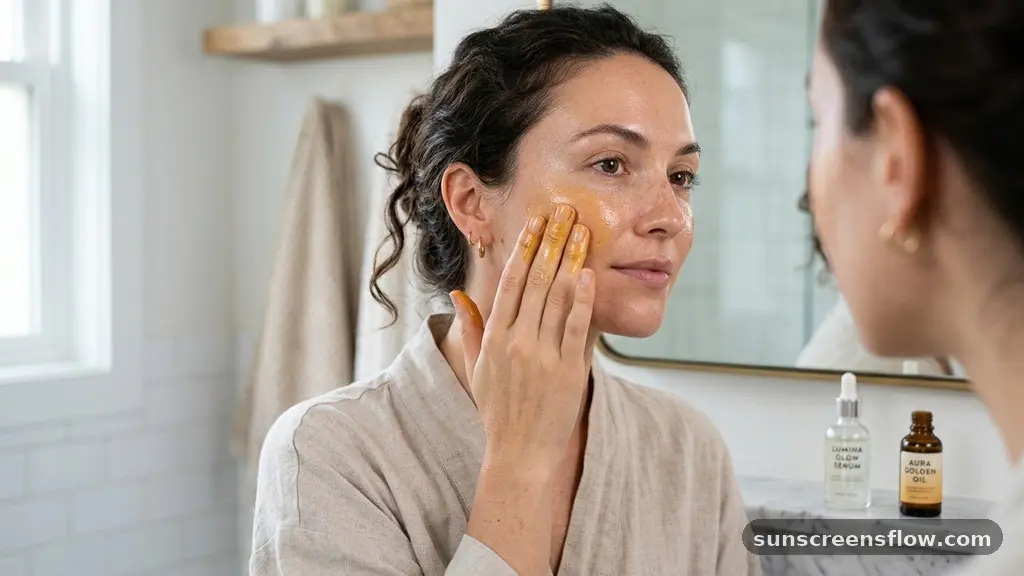
In the world of skincare, an emulsion is a mixture of oil and water. Many modern moisturizers are emulsions, but serums and oils are usually distinct. When you layer a water-based serum followed by a face oil, you are essentially creating a custom emulsion on your face.
This is a very effective way to provide both hydration and nourishment. The water from the serum provides the hydration, while the lipids in the oil provide the nourishment and fatty acids that support the skin barrier.
If you were to mix the two in your hand before application, you might get a decent result, but applying them in sequence allows you to control the saturation. You can apply more serum to areas that feel dehydrated and more oil to areas that feel dry or flaky. This targeted approach is impossible if you apply them as a pre-mixed concoction.
By following the skincare routine order of serum first, then oil, you are respecting the chemical integrity of both products. You are letting the water-based component satisfy the skin’s thirst and the oil-based component support the skin’s structural integrity.
Enhancing Absorption Through Facial Massage
One of the most underrated benefits of applying a face oil as the final step in your routine is that it provides the perfect slip for a facial massage. While your serum is meant to be patted into the skin for quick absorption, an oil is meant to be massaged in. Using your fingers, a gua sha tool, or a jade roller over a layer of oil helps to stimulate lymphatic drainage and improve blood circulation.
If you try to perform a facial massage with just a serum, you will likely find that the product absorbs too quickly, leaving your skin “tacky” and causing the tool to drag or pull. This pulling can actually cause micro-tears in the skin, which is the opposite of what you want. By applying your serum, waiting for it to absorb, and then applying a few drops of oil, you create a smooth, frictionless surface.
This allows you to spend more time working the muscles of the face, which can lead to a more lifted, toned appearance over time. The oil acts as a medium that protects the surface of the skin while the massage provides the deeper therapeutic benefits.
Addressing Topical Gaps: When to Break the Rules
While the “serum first, oil second” rule is the gold standard, there are specific scenarios where you might deviate. For instance, some people with extremely dry or compromised skin barriers find that mixing a drop of oil into their serum can provide a more comfortable application. However, this is more of an exception than a rule.
Another scenario involves specific botanical oils that are formulated with unique delivery systems designed to act as a base. Always check the manufacturer’s instructions.
If you are using a product marketed as a “bi-phase” serum, these are already pre-mixed emulsions. You do not need to worry about the order for these, as the chemistry has been balanced for you. The confusion often arises when people buy separate products and try to figure out the sequence.
If you are using a retinoid, some dermatologists suggest the “sandwich method,” where you apply a thin layer of moisturizer, then your retinoid, then another layer of moisturizer. In this specific case, the oil might be used as a final occlusive layer to mitigate the irritation caused by the retinoid. This is a strategic use of the oil to provide a buffer for the skin’s health, showing that while the rules exist for a reason, they can be adapted for specific clinical needs.
The Importance of Dropper Application and Quantity
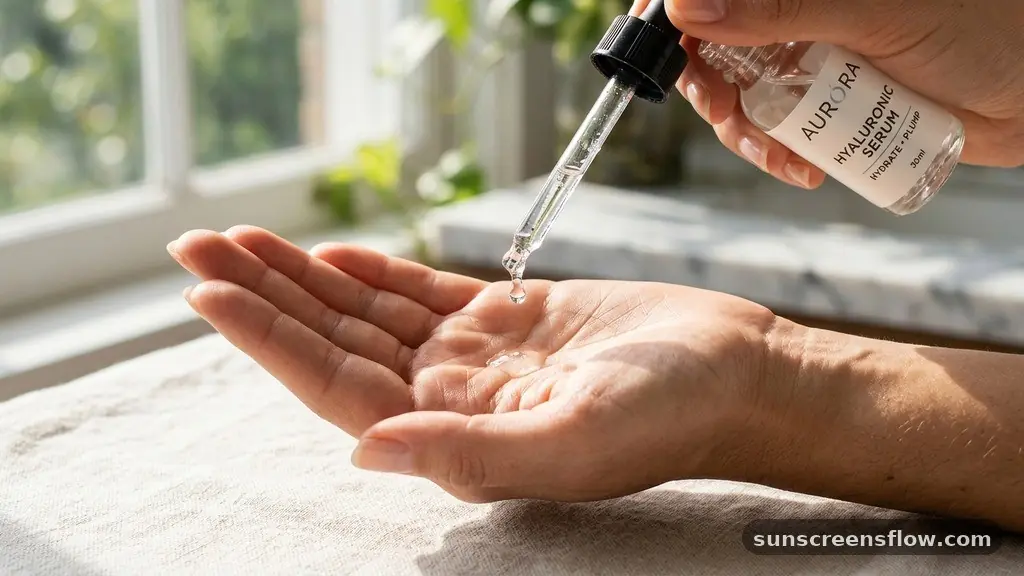
The dropper application method is not just for show; it is a precise way to control the amount of product you use. Over-applying skincare is a common mistake that leads to pilling and waste. When you apply your serum, 2–3 drops are usually sufficient to cover the face and neck.
The same goes for your face oil. Using too much oil will leave a greasy residue that won’t absorb, regardless of the order of application.
When applying your serum, use the dropper to place the product directly onto your fingertips or into the palm of your hand, then press it into your skin. Avoid touching the dropper directly to your face, as this can introduce bacteria from your skin back into the bottle. Once you have applied the serum and allowed it to dry, follow with the oil.
For the oil, place 2–3 drops in your palms, rub them together to warm the oil, and then press it gently into the skin. This warming process helps the oil spread more evenly and enhances its ability to integrate with the surface of your skin.
Summary of Layering Protocols
To ensure you are getting the most out of your investment in high-quality skincare, it is vital to follow a structured approach. The following table highlights the differences in how these products should be perceived in your daily routine:
| Feature | Water-Based Serum | Face Oil |
|---|---|---|
| Primary Function | Delivering active ingredients | Sealing and barrier support |
| Molecular Size | Small (Deep penetration) | Large (Surface protection) |
| Application Order | First (After cleansing) | Last (Before sunscreen) |
| Key Benefit | Hydration and treatment | Nourishment and moisture lock |
By keeping this distinction in mind, you can curate a routine that addresses your specific skin concerns without causing congestion or product waste. Remember that consistency is far more important than complexity. A simple, well-layered routine will always outperform a complicated routine where products are fighting against each other due to improper application order.
Frequently Asked Questions
Can I mix my serum and oil together before applying them?
While mixing them might feel convenient, it is generally better to apply them in sequence. Serums are often water-based and oils are hydrophobic; applying the serum first allows the water-soluble actives to penetrate the skin barrier before the oil creates an occlusive seal on the surface.
What happens if I accidentally apply the face oil first?
If you apply your oil first, it acts as a physical barrier on the skin. This prevents the water-based serum from reaching the deeper layers of the epidermis, meaning the active ingredients in your serum will likely remain on the surface and fail to provide their intended benefits.
How long should I wait between applying serum and face oil?
You should wait until the serum feels fully absorbed, which usually takes about one to three minutes. The skin should feel slightly tacky but not wet. This ensures that the serum has penetrated the skin, allowing the oil to lock in that moisture without causing pilling.
Does the order change if I am using a heavy cream moisturizer?
Yes, the order is always based on consistency. The general rule is to apply products from thinnest to thickest. Usually, this means serum, then moisturizer, then face oil. The oil serves as the final, most occlusive layer to trap all the hydration and active ingredients provided by the previous steps.
Conclusion: Mastering the order of your skincare products is a fundamental skill that transforms the effectiveness of your routine. By prioritizing the molecular weight of your products and adhering to the thinnest-to-thickest rule, you ensure that your water-based serum provides the necessary hydration and active treatment, while your face oil protects the skin barrier and prevents transepidermal water loss.
This strategic layering ensures your skincare routine order is optimized for health, clarity, and long-term vitality. Whether you are addressing signs of aging or simply maintaining your complexion, applying your serum before your oil is the most effective way to achieve a balanced, radiant, and healthy look.


