


Achieving a radiant complexion often feels like solving a complex puzzle, particularly when navigating the precise order of product application. Many enthusiasts find themselves questioning whether to apply serum before or after toner as they build their daily regimen. The general rule of thumb in professional skincare is to apply products from the thinnest consistency to the thickest, which typically places your toner first.
However, understanding the science behind this sequence—including how pH balancing and molecular weight influence product efficacy—is essential for maximizing the benefits of your active ingredients. By mastering this sequence, you ensure that your skin receives the full therapeutic value of every drop, from hydrating humectants to potent corrective treatments.
The Fundamental Purpose of Toner in Modern Skincare
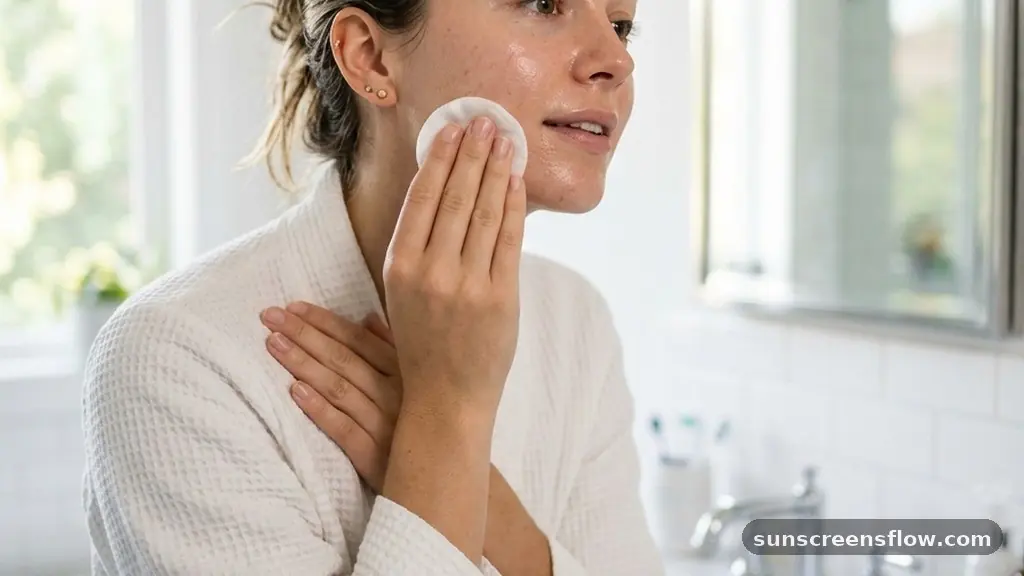
Toners have evolved significantly from the harsh, alcohol-laden astringents of the past. Today, a high-quality toner serves as a critical bridge between cleansing and treatment.
Its primary function is pH balancing, helping to return the skin to its natural, slightly acidic state after it has been disrupted by tap water or alkaline cleansers. When the skin’s pH is optimized, it is better equipped to defend itself against environmental stressors and maintain the integrity of the skin barrier.
Beyond restoration, toners often provide a secondary layer of cleansing, removing any lingering impurities that a cleanser might have missed. Many modern formulations also include soothing botanical extracts or mild humectants that prep the epidermis for the products that follow. By dampening the skin, a toner can actually facilitate the absorption rate of subsequent treatments.
Think of your skin like a sponge; a dry sponge is often stiff and resistant to water, but a slightly damp sponge absorbs liquid much more readily. This “damp-skin” technique is a secret weapon for those looking to get the most out of their expensive serums.
Why Serum Follows Toner for Optimal Absorption
The reason we apply serum after toner is rooted in the physics of viscosity and molecular structure. Serums are concentrated, high-potency treatments designed to penetrate the deeper layers of the dermis to address specific concerns like hyperpigmentation, fine lines, or dehydration. Because these products are formulated with smaller molecules or specific delivery systems, they must be applied to clean, prepped skin to reach their target destination effectively.
If you were to apply a heavy moisturizer or an oil-based product before your serum, you would essentially be creating a barrier that prevents the serum from sinking in. Toners are typically water-based formulas, which means they have a very low viscosity and can evaporate or absorb quickly, leaving the skin primed.
By applying your serum immediately after toning—while the skin is still slightly moist—you capitalize on the increased permeability of your pores. This strategic layering skincare approach ensures that the hyaluronic acid, vitamin c, or niacinamide within your serum isn’t blocked by thicker, slower-absorbing layers.
Understanding Molecular Weight and Ingredient Penetration
When analyzing the debate of serum before or after toner, we must consider the science of molecular weight. Ingredients like hyaluronic acid function by drawing moisture into the skin, but their effectiveness depends on their size.
Smaller molecules can penetrate deeper, while larger ones sit closer to the surface to provide instant plumping. If you apply a thick, occlusive product too early, you effectively seal off the skin, preventing these active ingredients from doing their job.
Furthermore, the order of application dictates the success of your chemical exfoliation steps. If your toner contains glycolic acid or salicylic acid, it acts as a mild exfoliant, clearing away dead skin cells. By removing this layer of debris, you create a clearer path for your serum’s active compounds to reach the living cells where they are most needed.
If you were to apply a serum first, the dead skin cells might absorb the product instead of the healthy, target-area skin, leading to wasted product and diminished results. This is why the sequence of toner, then serum, then moisturizer is widely considered the gold standard for dermatological efficacy.
Navigating Active Ingredients: Vitamin C, Retinol, and Niacinamide
Not all serums are created equal, and the specific active ingredients you use may require slight adjustments to your routine. For example, vitamin c is highly sensitive and typically performs best when applied to clean, dry, or slightly toned skin in the morning.
Because it is an antioxidant, it needs to be the first layer of treatment to provide a protective shield against free radicals throughout the day. Conversely, retinol is often reserved for evening use and can be quite potent; some dermatologists suggest using a hydrating toner beforehand to buffer the skin and prevent irritation.
Niacinamide, on the other hand, is a versatile powerhouse that plays well with almost everything. Whether you are using it to control oil production or to improve skin texture, it should always follow your toner.
Because niacinamide is often found in water-based formulas, it adheres to the “thinnest to thickest” rule perfectly. By keeping these ingredient-specific nuances in mind, you can customize your routine to address your unique skin type, whether you are dealing with acne-prone pores or mature, dry skin.
The Role of Occlusives and Preventing Trans-Epidermal Water Loss
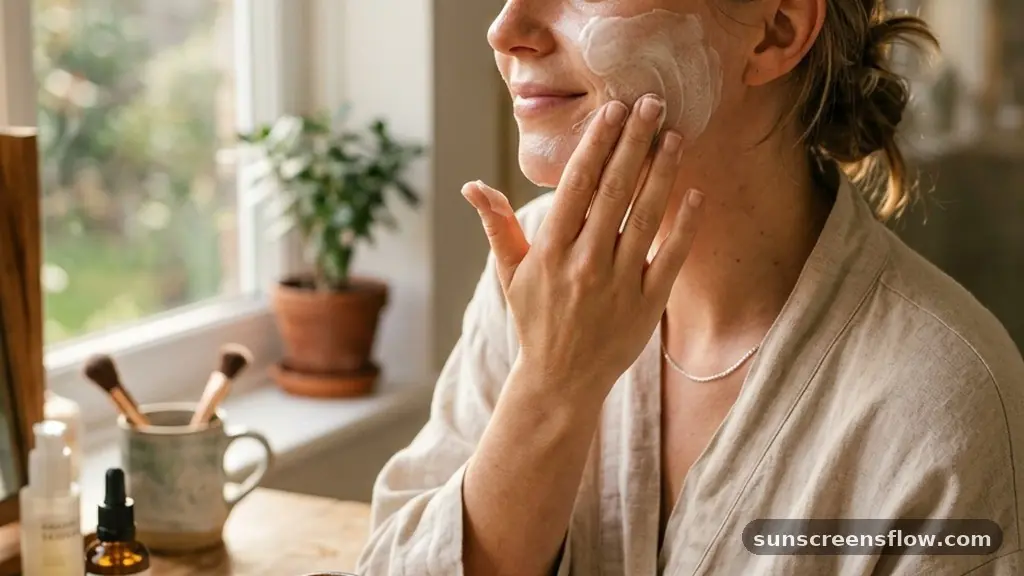
One of the most important concepts in skincare is preventing trans-epidermal water loss (TEWL). This is the process where water evaporates from the skin into the air, leading to dehydration and a compromised barrier.
Toners and serums are generally formulated to add hydration, but they lack the heavy occlusives—like petrolatum, shea butter, or certain waxes—needed to lock that moisture in. This is exactly why the sequence matters so much.
If you apply your serum after your toner, you have successfully layered your humectants. However, if you stop there, that hydration will eventually evaporate. This is where the final step of your routine comes in: the moisturizer.
The moisturizer acts as the “sealant” that traps the toner and serum against the skin. If you get the order wrong—for instance, by applying a thick cream before a serum—you are essentially locking the air out and the serum away from the skin. Always remember: toners hydrate, serums treat, and moisturizers protect.
Comparing Product Categories for Better Routine Flow
To help visualize how different products interact, refer to the table below, which outlines the ideal order and the primary function of each layer in a standard, effective skincare routine.
| Order | Product Type | Primary Function | Consistency |
|---|---|---|---|
| 1 | Cleanser | Removes dirt and oil | Variable |
| 2 | Toner | pH balancing & prep | Water-like |
| 3 | Serum | Targeted treatment | Lightweight/Gel |
| 4 | Moisturizer | Hydration & protection | Cream/Lotion |
| 5 | SPF/Oil | Final seal | Variable |
This progression ensures that every product has the best chance to perform its intended function without interference from others. By following this structure, you minimize the risk of “pilling”—that annoying phenomenon where products clump on the skin—and maximize the total dermatological efficacy of your daily regimen.
Addressing Topical Gaps: Why Some People Skip Toner
There is a common misconception that toners are an unnecessary step in a modern routine. Some argue that because modern cleansers are formulated to be pH-balanced, the need for a separate toner has vanished. While it is true that you can survive without one, those who skip toner may be missing out on the specific benefits that liquid treatments provide.
For instance, if you live in a hard-water area, your tap water contains minerals that can leave a film on the skin. A toner acts as a final rinse, removing those mineral deposits that could otherwise cause dullness or clogging.
Furthermore, if you struggle with pore tightening or excess sebum, specific toners containing astringent properties can provide a level of refinement that a standard cleanser cannot. When you apply your serum after using such a toner, you are applying it to a canvas that is cleaner, smoother, and better prepared. For individuals with sensitive skin, a soothing, alcohol-free toner can also provide a necessary buffer that calms the skin before the application of more intense active ingredients like peptide complexes or strong retinoids.
Best Practices for Introducing New Products
When you decide to adjust your routine, whether you are adding a new serum or switching up your toner, it is vital to practice patience. Introducing multiple products at once can lead to irritation and make it impossible to identify which product is causing a reaction. Always perform a patch testing procedure on a small, inconspicuous area of skin—such as behind the ear or on the inner forearm—before applying a new product to your entire face.
Monitor your skin for 24 to 48 hours. If you notice any redness, itching, or burning, it is a sign that the product may not be right for you. Once you have confirmed that a product is safe, introduce it into your sequence one at a time.
If you are adding a new serum, apply it after your toner for at least a week before adding another new step. This slow, methodical approach is the hallmark of an expert skincare enthusiast and ensures that your skin barrier remains healthy and resilient throughout the process.
FAQ Section
Can I apply serum while my skin is still wet from the toner?
Yes, applying serum to slightly damp skin is actually recommended. The moisture from the toner helps the serum spread more evenly and can enhance the absorption of water-soluble ingredients like hyaluronic acid, ensuring they penetrate the skin effectively rather than just sitting on the surface.
What happens if I accidentally apply my serum before the toner?
Nothing catastrophic will happen, but your serum may not be as effective. Because the toner is designed to adjust the skin’s pH and remove residual impurities, applying serum first means you are layering treatment on top of potential debris or an unbalanced surface, which can hinder ingredient penetration.
Do I need a different toner for morning and evening use?
Not necessarily, but many people prefer it. You might use a hydrating, soothing toner in the morning to prep the skin for vitamin C and SPF, and a toner with mild chemical exfoliants like salicylic or glycolic acid in the evening to assist with cell turnover while you sleep.
Is there any situation where toner should be skipped?
If you are using a very gentle, cream-based cleanser that leaves your skin feeling perfectly hydrated and balanced, you might find toner redundant. However, if you use heavy makeup or live in an environment with hard water, a toner remains a valuable step for ensuring skin cleanliness.
Conclusion
Determining whether to use a serum before or after toner is a foundational step in building a routine that actually works. By respecting the principles of layering skincare—moving from the lightest water-based formulas to thicker, more occlusive creams—you ensure that every product has the opportunity to penetrate the epidermis and deliver its intended benefits. Whether you are using hyaluronic acid for hydration, niacinamide for texture, or peptide complexes for anti-aging, the sequence remains consistent: cleanse, tone, treat, and moisturize.
Remember that skincare is inherently personal. While these professional guidelines provide a logical framework, your skin’s reaction is the ultimate authority. Pay attention to how your face feels, avoid over-exfoliating, and always prioritize the health of your skin barrier.
By maintaining a consistent, well-ordered routine, you provide your skin with the consistency it needs to thrive, ensuring that your investment in quality products yields the radiant, healthy results you desire. Embrace the process, be patient with your results, and enjoy the transformative power of a well-structured daily regimen.


