


Deciding when to use serum day or night often feels like solving a complex puzzle, but the logic behind it is rooted in how your skin functions across a twenty-four-hour cycle. Your skin follows a natural circadian rhythm, shifting its priorities from protection during daylight hours to repair and regeneration once you go to sleep.
By aligning your product choices with these biological shifts, you can significantly improve the efficacy of your daily regimen. Understanding the specific roles of active ingredients is the key to creating a balanced approach that supports your complexion throughout the day.
Understanding the Circadian Rhythm of Your Skin

Your skin behaves quite differently depending on the time of day, and this cycle is heavily influenced by your internal biological clock. During the day, your primary goal is defense. Your skin is exposed to environmental stressors like ultraviolet radiation, pollution, and fluctuating humidity levels.
These external factors generate free radicals, which contribute to oxidative stress and accelerate the signs of aging. Consequently, the best serums for daytime use are those that provide a shield against these invisible threats, effectively neutralizing damage before it can settle into the deeper layers of your tissue.
Conversely, the nighttime hours represent a period of recovery. When you sleep, your skin enters a phase of heightened cellular activity, where blood flow increases and the rate of skin cell turnover accelerates. This is the optimal window to apply potent treatments that might be too unstable or irritating for daylight exposure.
Because your skin isn’t busy fighting off environmental aggressors at 2:00 AM, it can dedicate its metabolic energy to processes like collagen synthesis and structural repair. Recognizing these two distinct phases allows you to curate a skincare routine that works in harmony with your body rather than against it.
The Role of Antioxidants in Morning Protection
If you are wondering when to use serum day or night for maximum antioxidant benefits, the answer is almost always in the morning. Daytime is when your skin needs the most support against oxidation caused by UV exposure and urban pollutants.
Ingredients like vitamin C are the gold standard here because they actively neutralize free radicals on the surface of the skin. By applying a vitamin C serum as the first step after cleansing, you create a reservoir of protection that helps prevent photoaging and maintains a brighter, more even skin tone throughout the day.
Beyond vitamin C, other antioxidants like niacinamide or vitamin E play a crucial role in maintaining your epidermal barrier. Niacinamide is particularly versatile because it helps regulate oil production and strengthens the skin’s defense against moisture loss.
When you pair these potent actives with a high-quality sun protection factor, you create a dual-layered defense system. This strategy ensures that your skin isn’t just relying on your sunscreen to block rays, but is also internally equipped to manage the chemical damage that inevitably occurs when light strikes the skin.
Why Nighttime is Best for Retinoids
Retinol and other vitamin A derivatives are widely considered the most effective tools for long-term skin health, but their usage is strictly tied to the night. Retinol works by accelerating skin cell turnover and stimulating collagen synthesis, which helps smooth fine lines and improve texture.
However, these compounds are notoriously unstable when exposed to direct sunlight; they break down quickly, losing their potency. Furthermore, because retinol increases the rate at which new cells reach the surface, it can make your skin temporarily more sensitive to UV radiation, increasing the risk of irritation or sunburn if used during the day.
Incorporating a retinol serum into your evening routine allows the product to penetrate effectively without the interference of environmental light. Because your skin is in a state of repair at night, it can better handle the intensive process of renewal that retinoids trigger.
You should always start with a low concentration to gauge your skin sensitivity, gradually increasing the strength as your tolerance builds. By dedicating your evening hours to these heavy-hitting actives, you ensure that your skin is performing its most significant rejuvenation work while you rest.
Managing Hydration with Hyaluronic Acid
Hyaluronic acid is a unique ingredient because it is generally safe to use both day and night, making it the workhorse of any hydration strategy. Its primary function is to draw moisture into the skin, which helps mitigate transepidermal water loss.
In the morning, applying a hyaluronic acid serum provides a plump, hydrated base that makes your skin look fresh and helps your makeup sit more naturally. It acts as a buffer, ensuring that your skin remains comfortable even in dry, air-conditioned environments.
At night, this ingredient takes on a different role. As you sleep, your skin can become dehydrated due to the loss of moisture to the surrounding air. Layering a hyaluronic acid serum under a heavier night cream creates a seal that locks that hydration in, allowing your skin to remain supple until morning.
Because it is non-comedogenic and generally very gentle, it doesn’t conflict with other active ingredients. Whether you are using it to support your morning antioxidant layer or your evening retinol treatment, it serves as a reliable anchor for the rest of your products.
Exfoliating Acids and Your Routine
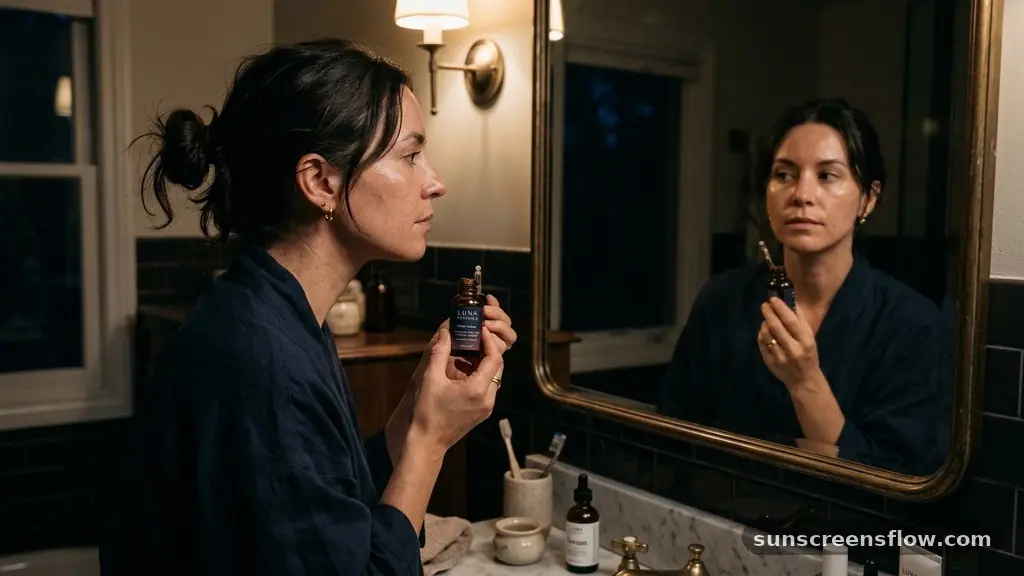
Exfoliating acids, including alpha hydroxy acids (AHAs) and beta hydroxy acids (BHAs), require careful scheduling. AHAs like glycolic or lactic acid are excellent for brightening the surface, but they can increase your skin’s sensitivity to light.
For this reason, most dermatological advice suggests using these products in the evening. If you do choose to use them during the day, you must be extremely diligent with your sun protection, as the removal of dead skin cells exposes fresher, more vulnerable layers of tissue to the sun’s rays.
BHAs, such as salicylic acid, are primarily used to treat congestion and acne because they are oil-soluble and can penetrate deep into the pores. While they are slightly less photosensitizing than AHAs, they can still be drying.
Many people find that applying them at night allows the treatment to work on clearing pores without the risk of irritation from makeup or environmental exposure. If you are layering these with other products, keep in mind that the serum texture is typically thinner than a cream; always apply your acids first so they can absorb directly into the skin before you move on to thicker, more occlusive layers.
Comparing Daytime and Nighttime Serum Priorities
To simplify your decision-making process, consider the following table which categorizes common serum ingredients based on their ideal time of use and primary function.
| Ingredient | Best Time | Primary Benefit |
|---|---|---|
| Vitamin C | Day | Antioxidant protection and brightening |
| Retinol | Night | Cell turnover and collagen synthesis |
| Hyaluronic Acid | Day & Night | Deep hydration and moisture retention |
| Niacinamide | Day & Night | Barrier support and oil regulation |
| Exfoliating Acids | Night | Texture refinement and pore clearing |
Addressing Topical Gaps and Common Misconceptions
Many users struggle with the order of application, often wondering if the serum texture dictates the sequence. The general rule is to apply products from thinnest to thickest, which allows for better absorption.
A common gap in knowledge involves the interaction between vitamin C and retinol; many believe they cannot be used in the same routine at all. While you certainly shouldn’t layer them on top of each other due to pH differences and potential irritation, using vitamin C in the morning and retinol at night is a perfectly safe and highly effective strategy for most people.
Another frequent question concerns the use of serums on sensitive skin. If your skin is prone to redness or reactivity, you might be tempted to skip serums altogether. However, using a soothing, barrier-repairing serum containing ceramides or peptides can actually help stabilize your skin.
These ingredients are safe for both day and night use and can act as a protective buffer against the more intense actives like retinol or exfoliating acids. Don’t assume that because your skin is sensitive, it cannot benefit from a targeted treatment; the key is simply selecting the right, non-irritating formulas.
Layering Techniques for Optimal Results
Layering your serums effectively is as much about timing as it is about the products themselves. Once you have determined when to use serum day or night, wait about 60 seconds between applications to allow each layer to settle. This prevents the “pilling” effect where products ball up on the skin.
Start with your most watery, active-heavy serums first, as these need to reach the skin’s surface directly. Follow with more viscous, hydrating, or soothing serums, and finish with your moisturizer or face oil.
If you are using multiple serums in a single session, limit yourself to two or three at most. Applying too many products can overwhelm the skin and actually reduce the absorption of the active ingredients. If you find your routine is getting too long, alternate your evening serums.
For example, use your exfoliating acid on Monday, Wednesday, and Friday, and use your retinol on the other nights. This “skin cycling” approach is a professional favorite because it allows your skin to reap the benefits of multiple high-powered actives without the risk of barrier damage or chronic irritation.
Essential Tips for a Consistent Routine
* Always cleanse your skin thoroughly before applying any serum to remove sweat and environmental debris.
* Apply serums to slightly damp skin if you are using hyaluronic acid, as this helps lock in extra hydration.
* Never skip your sun protection factor in the morning, regardless of whether you used a serum the night before.
* Monitor your skin for signs of irritation, such as stinging or excessive redness, and adjust your frequency accordingly.
* Keep your bottles tightly closed and stored in a cool, dark place to prevent the oxidation of volatile ingredients like vitamin C.
* Be patient; most serums require at least four to six weeks of consistent use to show visible changes in skin texture or tone.
Frequently Asked Questions
Can I use vitamin C and retinol together in my routine?
Yes, you can use them in the same routine, but they should be separated by time. Use vitamin C in the morning to leverage its antioxidant properties against daily pollution. Use retinol in the evening to harness its regenerative power while you sleep, avoiding potential irritation from mixing them.
Does the order of applying my serums actually matter?
Yes, the order of application is critical for efficacy. You should always apply your products from the thinnest consistency to the thickest. This ensures that the most potent, water-based active ingredients can penetrate the skin barrier before you apply heavier creams or oils that act as occlusives.
How do I know if a serum is causing skin sensitivity?
If you notice persistent redness, itching, burning, or flaking, your skin is likely reacting to an active ingredient. Stop using the product for a few days to let your barrier heal, then reintroduce it slowly or at a lower concentration to see if your skin can tolerate it better.
Is it necessary to use a serum if I already use a moisturizer?
While moisturizers are essential for sealing in hydration, they often lack the concentrated active ingredients found in serums. Serums are designed to address specific concerns like dark spots, fine lines, or dehydration at a deeper level, making them a valuable addition to your existing skincare regimen.
Establishing Your Long-Term Skincare Strategy
Creating a routine that balances day and night requirements is the most effective way to see real changes in your complexion. By prioritizing antioxidant protection in the morning and deep repair at night, you provide your skin with the specific tools it needs to thrive in both environments. Remember that consistency is far more important than the number of products on your shelf.
Start with a simple, well-chosen set of serums and stick to them for several weeks before making adjustments. Over time, your skin will respond to this structured approach with improved texture, resilience, and a healthier glow. If you are unsure where to start, begin by identifying your primary skin concern and selecting a single, high-quality serum to introduce into your morning or evening routine today.
Meta Description: Learn exactly when to use serum day or night to maximize your skincare routine, improve absorption, and achieve better results for your complexion.


