

Deciding whether to apply your retinol serum before or after moisturizer is one of the most common points of confusion in a nighttime skincare routine. Because retinol is a potent active ingredient designed to accelerate cell turnover, its placement in your regimen can significantly influence both its efficacy and your skin’s tolerance level.
If you have ever wondered if layering products incorrectly is causing your irritation or preventing results, you are not alone in questioning the order of operations. Getting this sequence right is essential for maximizing the benefits of vitamin A derivatives while keeping your complexion calm and hydrated.
Understanding the Role of Retinol in Your Routine
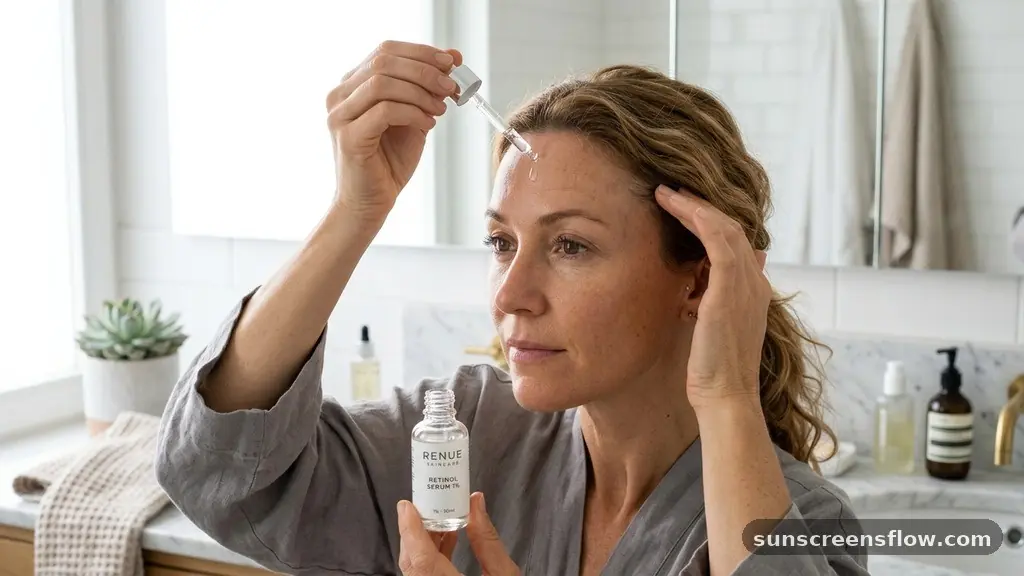
Retinol belongs to a family of compounds known as retinoids, which are widely considered the gold standard for addressing signs of photoaging. When applied topically, these ingredients work by penetrating the epidermis to signal cells to behave more youthfully, effectively speeding up the rate at which dead skin cells are shed.
This process of increased cell turnover helps to smooth fine lines, improve texture, and clear out stubborn comedones. However, because this process is so active, the way you layer your products determines how deeply and quickly the ingredient interacts with your skin.
Many people view the order of application as a simple matter of product texture, but it is actually a strategy for managing your irritation threshold. Because retinoids can cause initial dryness or redness, the “before or after” debate is really a question about how much buffer you want between the active ingredient and your living skin cells. By understanding how your skin absorbs products, you can better tailor your routine to meet your specific needs without compromising the integrity of your moisture levels.
The Logic Behind Applying Retinol Before Moisturizer
When you apply a retinol serum before your moisturizer, you are prioritizing maximum potency and deeper penetration. Since serums typically have a lower viscosity than creams, applying them directly to clean, dry skin allows the active ingredients to interact with the dermis without any physical barriers in the way. This method is often recommended for users who have built up a high tolerance to retinoids and are looking to address deep-seated concerns like stubborn hyperpigmentation or advanced fine lines.
However, this approach comes with a higher risk of side effects. Without a buffer, the retinol can be quite aggressive, potentially leading to flaking or a compromised lipid barrier if your skin isn’t accustomed to the strength of the formula.
If you choose this route, it is vital to ensure your skin is completely dry after cleansing. Applying active ingredients to damp skin can increase absorption rates to the point of causing significant sensitivity, which is the primary reason many people experience stinging or burning sensations shortly after application.
Benefits of the Sandwich Method for Sensitive Skin
If you have sensitive skin or are just beginning your journey with vitamin A derivatives, the sandwich method is arguably the most effective technique to adopt. This process involves applying a thin layer of moisturizer first, followed by your retinol serum, and then finishing with another layer of moisturizer on top. This approach creates a “sandwich” that protects the skin barrier while still allowing the retinoid to perform its function over the course of the night.
Using a moisturizer as a base layer provides a crucial buffer that slows down the absorption of the retinol. This helps keep your irritation threshold in check, preventing that dreaded “retinoid ugliness” that often includes peeling and intense dryness.
Even though you are adding an extra layer, you are not rendering the product ineffective. The retinol will still penetrate the skin; it will simply do so at a pace that is much more manageable for your skin microbiome, allowing you to reap the long-term benefits without the immediate discomfort.
Comparing Application Methods for Optimal Results
Choosing the right order depends heavily on your skin type and the specific strength of the retinol you are using. The table below outlines how different application strategies affect your results and comfort levels.
| Application Method | Best For | Pros | Cons |
|---|---|---|---|
| Retinol First | Experienced users | Maximum potency and speed | High risk of irritation |
| Moisturizer First | Beginners | Reduced side effects | Slower, milder results |
| Sandwich Method | Sensitive skin | Balanced protection | Requires more product |
Each of these methods is valid, and the “correct” choice is simply the one that allows you to use your product consistently without experiencing adverse reactions. Consistency is the most important factor in seeing results with retinoids, so if using it “before” makes you stop because of irritation, you are better off switching to a “moisturizer first” approach.
The Importance of Skin Barrier Integrity
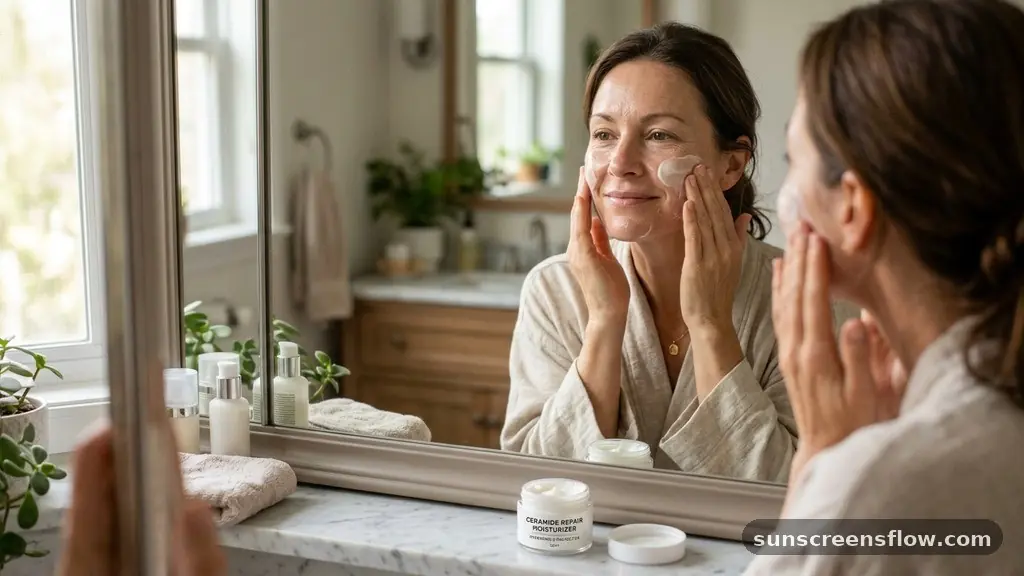
Your lipid barrier is the primary defense against environmental stressors and transepidermal water loss. When you introduce a strong active like retinol, you are essentially asking your skin to undergo a rapid transformation.
If you don’t support the barrier during this time, you might notice that your skin becomes tight, shiny, or overly reactive to other products in your routine. This is why the interaction between your serum and your moisturizer is so critical to your overall success.
To maintain a healthy barrier, look for moisturizers that contain ceramides or other humectants like hyaluronic acid. These ingredients help lock in moisture and reinforce the skin’s natural structure.
If you feel your skin becoming compromised, it is often a sign that you are either using too much retinol or not providing enough hydration. Don’t be afraid to take a night off from the active ingredients to focus entirely on barrier repair; your skin will likely bounce back faster and be more receptive to the retinol when you resume your regular schedule.
Addressing Topical Gaps: Why Texture Matters
A common question that often goes unanswered is how serum viscosity influences the order of operations. Many people assume that the “thinnest to thickest” rule of skincare is absolute, but when it comes to active treatments, the rules can be bent. While it is true that you should generally apply products from thinnest to thickest to ensure proper absorption, the primary goal of retinol is its function, not just its texture.
If you are using a very lightweight, water-based retinol, it will naturally sink in quickly. However, if you are using an oil-based or cream-based retinol, the viscosity might be similar to your moisturizer. In these cases, the order matters less than the concentration of the formula itself.
Always prioritize the potency of your active product. If your retinol is a high-strength treatment, it should generally be applied closer to the skin, whereas a lower-strength, moisturizing retinol can easily be applied after your primary moisturizer without losing its effectiveness.
Managing Skin Purging and Initial Reactions
One of the most intimidating aspects of starting a new retinol routine is the potential for skin purging. This happens when the increase in cell turnover causes underlying comedones to surface more quickly than they would have on their own.
It is important to distinguish between purging and a true reaction to a product. Purging usually occurs in areas where you typically break out and resolves within a few weeks, whereas a negative reaction to an ingredient often manifests as widespread redness, itching, or hives.
If you find that your skin is purging or becoming sensitive, it is tempting to stop using the product entirely. However, the best approach is usually to pull back on the frequency of application.
Start by using your retinol only two or three times a week, and ensure you are using it in a way that respects your skin’s limits—whether that means applying it after your moisturizer or using the sandwich method. By reducing the frequency rather than the product type, you give your skin the time it needs to adjust to the increased rate of cellular turnover.
Incorporating Chemical Exfoliation Safely
Many users wonder if they can combine retinol with other active treatments like AHAs or BHAs. While chemical exfoliation is excellent for clearing the surface of the skin, using it simultaneously with a retinoid can lead to severe irritation and damage to your lipid barrier. It is generally advised to alternate your nights: use your retinol on some nights and your chemical exfoliants on others.
If you are determined to use both, ensure you are not using them in the same application window. For example, you might use an exfoliating cleanser in the morning and reserve your retinol for the evening.
Always pay attention to how your skin feels. If you notice any signs of over-exfoliation, such as a stinging sensation when applying even basic products like a gentle toner or moisturizer, stop all actives immediately and focus on soothing the skin until the sensitivity subsides.
Essential Tips for a Successful Routine
To ensure the best possible experience when deciding whether to apply your retinol serum before or after moisturizer, consider these practical steps to refine your approach:
- Always perform patch testing on a small, inconspicuous area of your skin before applying a new retinol product to your entire face.
- Use a non-comedogenic moisturizer to ensure your hydration step isn’t clogging your pores while you work on clearing your skin.
- Wait for your skin to be completely dry after cleansing; applying retinol to damp skin significantly increases the risk of irritation.
- Don’t forget your neck and chest, but start with a lower frequency there, as the skin in these areas is thinner and more delicate than on your face.
- Always use a broad-spectrum sunscreen the next morning, as retinoids increase your skin’s sensitivity to UV light and the risk of photoaging.
Following these guidelines will help you build a robust routine that delivers results without the common pitfalls. Remember that skincare is highly individual, and what works for someone else might need to be adjusted for your specific skin type and concerns.
FAQ
Is it better to apply retinol before or after moisturizer?
For most people, applying retinol after moisturizer (or using the sandwich method) is the safest approach to prevent irritation. Experienced users with high tolerance may apply it directly to clean, dry skin to maximize potency and speed, but this increases the risk of dryness and peeling.
Does applying moisturizer first make retinol less effective?
While applying moisturizer first acts as a buffer, it does not stop the retinol from working. The active ingredient will still penetrate the skin, but the process will be slower and gentler, which is often preferable for those concerned about sensitivity or damage to their lipid barrier.
Can I use hyaluronic acid with my retinol serum?
Yes, using hyaluronic acid alongside retinol is highly recommended. Because retinoids can be drying, incorporating a hydrating humectant like hyaluronic acid helps maintain moisture levels and supports the skin barrier, making the entire process more comfortable and effective for your complexion.
How do I know if my skin is purging or just reacting negatively?
Purging occurs in areas where you usually get breakouts and clears up as your skin adjusts to the faster cell turnover. A negative reaction, like contact dermatitis, usually involves widespread redness, intense itching, or burning that does not improve after a few weeks of consistent, careful use.
Conclusion
Navigating the nuances of your nighttime skincare routine is a journey of trial and error. Whether you choose to apply your retinol serum before or after moisturizer, the ultimate goal is to find a balance that allows your skin to benefit from increased cell turnover without compromising your overall comfort. By listening to your skin’s feedback and adjusting your application method as needed, you can successfully incorporate this powerful ingredient into your life.
Remember that patience is your best tool; consistent, gentle application will always yield better long-term results than an aggressive approach that leads to irritation and barrier damage. Keep experimenting with these techniques, and don’t hesitate to simplify your routine if your skin starts to show signs of stress.
Meta Description: Should you apply your retinol serum before or after moisturizer? Discover the best application methods for your skin type and routine in this guide.


