


Human serum serves as a fundamental component of the cardiovascular system, acting as the liquid medium that remains after blood has clotted and the cellular elements have been removed. When clinicians or researchers refer to human serum, they are describing the clear, yellowish fluid that separates from the solid mass of blood cells and clotting factors.
Because it lacks fibrinogen—the protein responsible for blood coagulation—it provides a stable environment that is highly prized in diagnostic medicine, immunology, and advanced biotechnology. Understanding its makeup is essential for interpreting how our bodies maintain homeostasis and how medical professionals monitor our internal physiological state.
Defining the Composition and Biological Properties
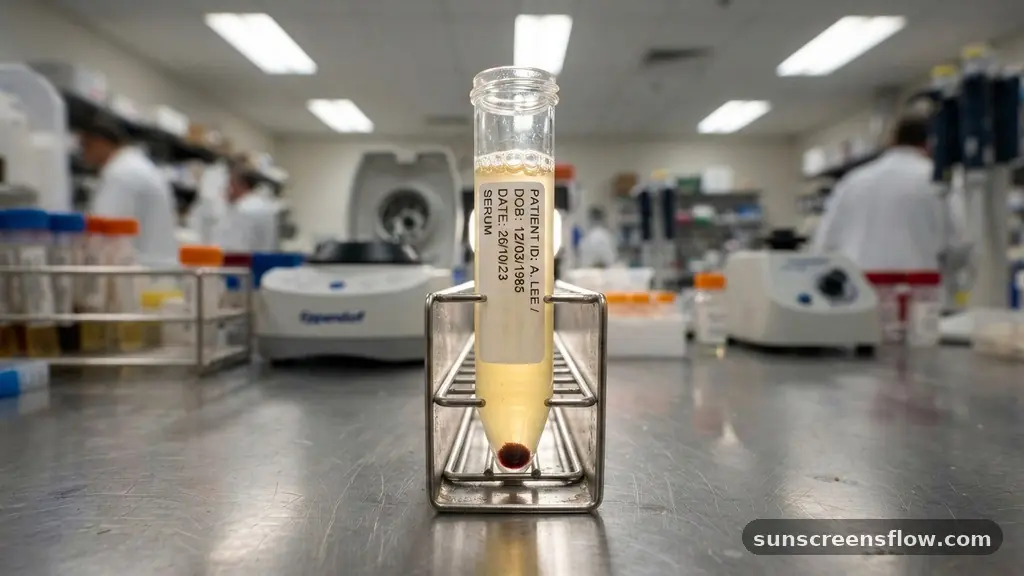
At its most basic level, human serum is a complex mixture of water, proteins, electrolytes, and various signaling molecules. Unlike whole blood, which is a suspension of cells, serum is essentially the fluid phase of blood devoid of clotting agents.
The composition and biological properties of this substance are precisely what make it so vital for maintaining overall health. The fluid acts as a transport mechanism, moving nutrients, gases, and waste products throughout the circulatory system.
Within this clear liquid, one finds a vast array of life-sustaining substances. The primary protein present is albumin, which functions as a carrier for various molecules and helps maintain osmotic pressure in the blood vessels. Beyond albumin, serum contains globulins, as well as enzymes, glucose, and urea. These globulins are particularly important because they include antibodies, which are the immune system’s primary defense mechanism against pathogens. By analyzing the concentrations of these proteins, lipids, and metabolites, medical professionals can gain deep insights into a patient’s metabolic state, liver function, and immune response.
Distinguishing Serum from Plasma
A common point of confusion in medical literature involves the distinction between serum and plasma. While they appear similar to the naked eye, their biological origins are distinct.
Plasma is the liquid component of blood that still contains clotting factors, such as fibrinogen, because it is collected using an anticoagulant. Conversely, serum is obtained by allowing blood to clot completely before centrifugation. This process of coagulation consumes the fibrinogen, leaving behind a fluid that is chemically different from the original plasma.
This distinction is not merely academic; it has significant implications for laboratory testing. Because the clotting process triggers the release of certain molecules from platelets and alters the concentration of various proteins, the choice between using plasma or serum can change the outcome of a diagnostic assay.
For instance, some tests require the absence of fibrinogen to ensure that the chemical reactions are not interfered with by the coagulation cascade. Researchers often prefer serum for specific biochemical profiles because the absence of anticoagulants—which might otherwise interact with reagents—provides a cleaner sample for sensitive analytical equipment.
The Role of Serum in Diagnostic Blood Testing
In a clinical setting, the analysis of serum is the gold standard for many diagnostic procedures. When a patient undergoes a routine physical or a targeted health check, the laboratory technician typically separates the serum to run a comprehensive metabolic panel.
This panel measures the levels of various markers that indicate how well the organs are functioning. Key indicators found in the serum include glucose, AST, and bilirubin, which are essential for assessing liver health and metabolic stability.
The diagnostic value of serum lies in its stability and the breadth of information it carries. Because the blood constantly circulates through every organ in the body, the serum collects “fingerprints” of physiological activity. If the liver is damaged, enzymes like AST will leak into the bloodstream and be detectable in the serum.
If the kidneys are struggling to filter waste, urea levels will rise. By monitoring these biomarkers, doctors can detect early signs of disease, track the progression of chronic conditions, and adjust treatment plans with high precision.
Biotechnology and Cell Culture Applications
Beyond diagnostics, human serum plays a critical role in the field of biotechnology and cell culture. In laboratory environments where scientists grow human cells outside of the body—such as in stem cell research or vaccine production—serum acts as a vital supplement to the growth media. It is highly valued for providing the necessary growth factors, hormones, and attachment proteins that cells require to survive, proliferate, and maintain their specific functions.
The use of serum in this context is nuanced. Because serum is a biological product, it can vary from batch to batch, which creates challenges for researchers who require absolute consistency in their experiments. Despite these challenges, its rich nutritional profile remains difficult to replicate synthetically.
It contains a delicate balance of lipids, fatty acids, and hormones that are uniquely suited to human cell biology. As the field of regenerative medicine advances, scientists are increasingly looking for ways to utilize serum-derived components more efficiently to create safer and more standardized environments for clinical cell therapies.
Immune Function and Antibodies
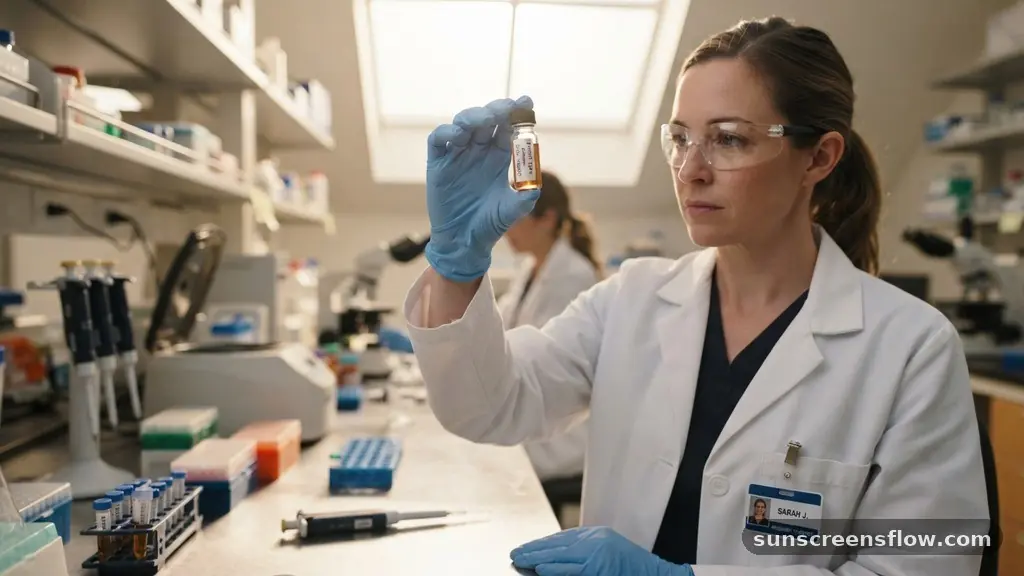
The immune system is perhaps the most dynamic aspect of human serum. Because serum contains a high concentration of immunoglobulins, it acts as a reservoir for the body’s history of infection and vaccination.
These antibodies are specialized proteins that recognize and neutralize foreign invaders like bacteria and viruses. When medical researchers study serum, they are often looking at the “memory” of the immune system.
This functionality is central to serology, the study of serum and other bodily fluids. Serological tests allow doctors to determine if a patient has developed immunity to a specific disease, either through previous exposure or immunization. By measuring the titers of specific antibodies in the serum, healthcare providers can assess the strength of an individual’s immune protection.
This is particularly important for managing autoimmune diseases, where the immune system mistakenly targets the body’s own tissues. In these cases, the serum provides a window into the inflammatory processes that drive the disease, allowing for more targeted therapeutic interventions that can modulate immune responses and improve long-term outcomes.
Metabolic Indicators and Nutritional Status
Beyond its role in immunity and clotting, serum is the primary medium for assessing an individual’s nutritional status. The circulatory system transports everything from vitamins and minerals to essential amino acids through the serum. When we consume food, these nutrients are broken down and eventually find their way into the bloodstream, where they circulate to reach the tissues that need them most.
A serum analysis can reveal deficiencies that might otherwise go unnoticed. For example, low levels of specific proteins or minerals in the serum can indicate malabsorption issues or dietary imbalances. The following table highlights some of the key components measured in serum and their clinical significance:
| Component | Clinical Significance |
|---|---|
| Albumin | Indicates nutritional status and liver function |
| Glucose | Monitors blood sugar levels and diabetes risk |
| AST/ALT | Markers for liver damage or inflammation |
| Bilirubin | Used to assess liver and gallbladder health |
| Electrolytes | Maintains fluid balance and nerve function |
Addressing Topical Gaps: Safety and Sourcing
A common area of inquiry that often lacks detail in general discussions is the sourcing and safety of human serum used in medical research. Because human serum is derived from human blood, it is subject to rigorous screening processes to ensure it is free from infectious agents like HIV, hepatitis, and other blood-borne pathogens. This is a critical aspect of the supply chain for pharmaceutical and diagnostic companies.
Furthermore, there is a distinction between autologous serum—which is derived from the patient’s own blood—and allogeneic serum, which is sourced from donors. Autologous serum is frequently used in specialized treatments, such as eye drops for severe dry eye or certain wound healing therapies, because it is perfectly matched to the patient and eliminates the risk of rejection or disease transmission. Understanding the regulatory environment and the ethical considerations behind donor-derived serum is essential for anyone interested in the broader applications of blood-derived products in modern medicine.
The Future of Serum-Based Therapies
As medical technology continues to evolve, the way we manipulate and utilize human serum is changing. We are moving toward a future where serum components can be isolated and utilized in more focused ways.
For instance, the development of platelet-rich plasma (PRP) and other serum-derived concentrates has revolutionized orthopedics and sports medicine. By concentrating the healing factors found in the patient’s own blood, clinicians can accelerate the repair of ligaments, tendons, and joints.
This shift toward personalized medicine means that human serum is becoming more than just a diagnostic tool; it is becoming a therapeutic agent. Research into the proteome—the entire set of proteins expressed by the genome—found within serum is uncovering new biomarkers that could predict disease years before symptoms appear. As we map these proteins with greater accuracy, our ability to prevent chronic illness by acting on early serum-based warnings will fundamentally change the landscape of healthcare.
FAQ Section
What is the primary difference between human serum and plasma?
The main difference is the presence of clotting factors. Plasma is the liquid portion of blood that contains fibrinogen and other clotting proteins, whereas serum is the fluid that remains after the blood has been allowed to clot, which consumes those factors during the process.
How do doctors use human serum in diagnostic testing?
Doctors use serum to measure levels of enzymes, proteins, glucose, and electrolytes. By analyzing these components, they can evaluate organ function, detect systemic infections, monitor chronic diseases like diabetes, and identify specific antibodies that indicate immune system status or exposure to pathogens.
Why is human serum used in cell culture and research?
Serum is essential for cell culture because it contains a complex mixture of growth factors, hormones, and proteins that are required for cells to grow and thrive in a laboratory environment. It provides a nutrient-rich, physiological medium that synthetic alternatives struggle to replicate perfectly.
Is human serum safe for medical use?
Yes, when used in a clinical or research setting, human serum undergoes strict screening and processing protocols. Donated blood is tested for infectious diseases, and products are often treated to ensure safety. Autologous serum, which comes from the patient’s own blood, carries virtually no risk of disease transmission.
Conclusion
Human serum is a cornerstone of biological science and clinical practice. By providing a clear, nutrient-rich, and information-dense fluid, it allows us to understand the inner workings of the human body with remarkable clarity. Whether it is being used to diagnose liver disease, monitor immune function, or support the growth of cells in a research lab, its role is irreplaceable.
As we continue to refine our understanding of its composition and the biomarkers it carries, we unlock new pathways for personalized medicine and improved health outcomes. From its role in maintaining overall health to its sophisticated applications in biotechnology, human serum remains one of the most valuable biological resources in modern science.


