

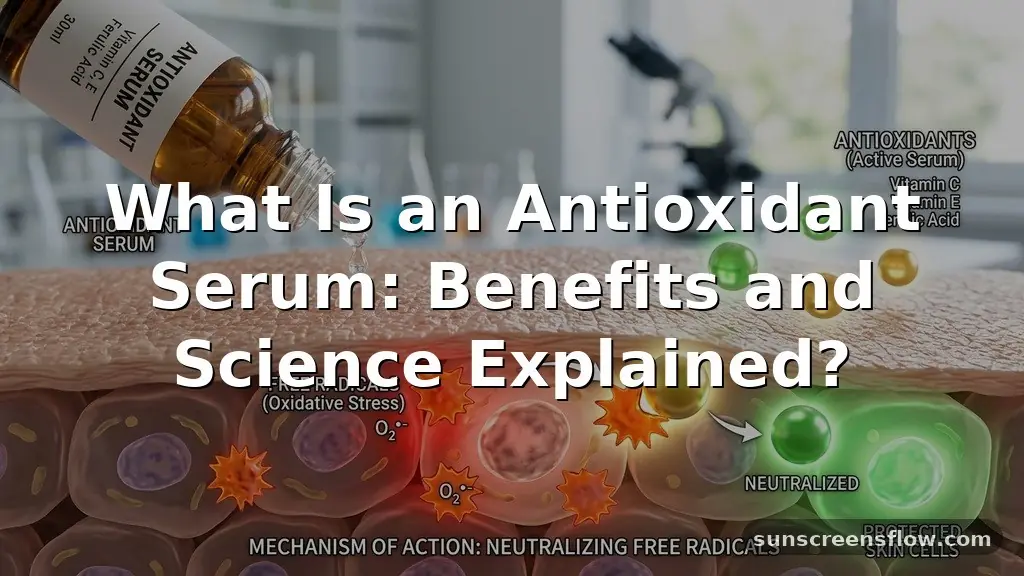
An antioxidant serum is a concentrated topical skincare treatment designed to protect the skin from environmental stressors while promoting long-term health and vitality. At its core, this product serves as a defensive shield against the invisible threats that compromise skin integrity on a daily basis.
By delivering high concentrations of active ingredients directly into the dermis, an antioxidant serum helps neutralize unstable molecules that lead to premature aging. While many skincare products focus solely on hydration or exfoliation, these specialized serums prioritize cellular protection, making them an essential component of a robust, science-backed skincare routine.
The Mechanism of Action: Neutralizing Free Radicals
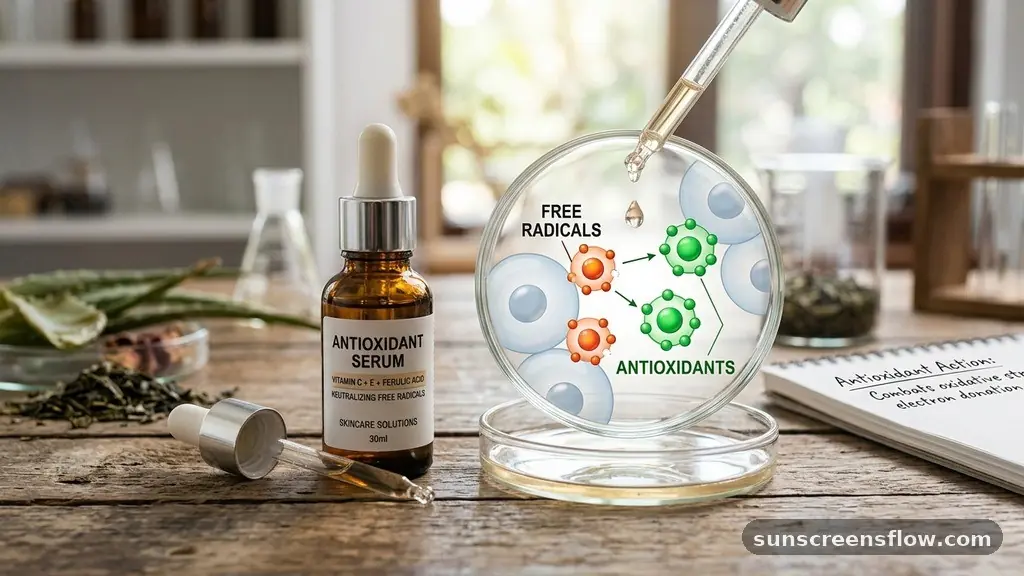
To understand the importance of an antioxidant serum, one must first grasp the concept of oxidative stress. In the context of skin biology, free radicals are unstable atoms or molecules that possess an unpaired electron.
These molecules are highly reactive and constantly seek to “steal” electrons from stable molecules within the skin, such as proteins, lipids, and DNA. This chain reaction of theft causes cellular damage, a process known as oxidative stress.
When the skin is bombarded by environmental pollutants, UV radiation, and blue light, the number of free radicals increases significantly. This surge overwhelms the skin’s natural defense systems. An antioxidant serum acts as a sacrificial donor; it provides the necessary electrons to the free radicals, effectively neutralizing them before they can damage healthy skin cells.
By stopping this cascade of destruction, the serum prevents the degradation of structural components, such as collagen and elastin, which are vital for maintaining firmness. This protective action is why dermatologists frequently categorize these serums as the “first line of defense” in any anti-aging regimen.
Key Ingredients Found in High-Performance Serums
The efficacy of an antioxidant serum is entirely dependent on its formulation. Different antioxidants have different molecular weights, solubility profiles, and stability issues.
Identifying the right blend is crucial for achieving visible results. The most common and effective ingredients include:
- Vitamin C (L-ascorbic acid): The gold standard for brightening and collagen stimulation.
- Vitamin E (tocopherol): A fat-soluble antioxidant that protects lipid membranes and enhances the stability of Vitamin C.
- Ferulic acid: A plant-based antioxidant that stabilizes other vitamins and doubles their photoprotective capabilities.
- Resveratrol: A potent polyphenol found in grapes that helps soothe inflammation and improve skin texture.
- Niacinamide: A form of Vitamin B3 that provides antioxidant benefits while improving the skin barrier and reducing redness.
When these ingredients are combined, they often work synergistically. For instance, L-ascorbic acid is notoriously unstable and prone to oxidation when exposed to light or air.
However, when paired with tocopherol and ferulic acid, its stability and penetration into the skin are significantly increased. This combination is a staple in many professional-grade formulations, providing a broad-spectrum defense that individual ingredients cannot achieve alone.
Combating Photoaging and UV Damage
One of the primary drivers of visible skin aging is photoaging, which is the cumulative damage caused by chronic exposure to ultraviolet light. While a broad-spectrum sunscreen is non-negotiable for protection, even the best SPF products don’t block 100% of UV rays. This is where an antioxidant serum becomes a necessary partner.
UV radiation penetrates the skin and induces the production of reactive oxygen species (ROS), which initiate lipid peroxidation. This is the process where free radicals attack the fats in the skin cell membranes, leading to structural breakdown and inflammation. Regular application of a serum rich in antioxidants reduces the biological impact of this radiation.
It functions as an internal supplement to your external sunscreen, mitigating the damage that manages to bypass your SPF. Over time, this results in a reduction of fine lines, wrinkles, and leathery skin texture, effectively slowing the biological clock of your complexion.
Restoring Skin Elasticity and Collagen Synthesis
Beyond protection, an antioxidant serum plays a proactive role in skin rejuvenation. Specifically, Vitamin C is a critical cofactor in the production of collagen.
Without sufficient levels of this vitamin, the body cannot effectively synthesize the proteins required to keep the skin plump and resilient. As we age, our natural production of collagen declines, leading to sagging and a loss of skin elasticity.
By delivering potent antioxidants topically, you are essentially providing the skin with the tools it needs to repair itself. When the skin is not constantly fighting off oxidative damage, it can divert more energy toward regenerative processes. This leads to improved skin density and a more youthful appearance.
Furthermore, antioxidants help inhibit the enzymes that break down collagen, effectively preserving the structural integrity of the dermis for longer periods. This dual approach—promoting new production while preventing degradation—is the hallmark of effective anti-aging skincare.
Addressing Hyperpigmentation and Skin Brightening
Many people turn to an antioxidant serum specifically to address uneven skin tone and hyperpigmentation. Dark spots, sun damage, and post-inflammatory hyperpigmentation (PIH) are often exacerbated by oxidative stress. When the skin is inflamed or damaged by environmental factors, melanocytes—the cells responsible for pigment—can become overactive.
Antioxidants like niacinamide and L-ascorbic acid help regulate melanin production. They do this by inhibiting the enzyme tyrosinase, which is the catalyst for pigment formation. With consistent use, these serums help fade existing dark spots while preventing the formation of new ones.
This results in a more radiant, even-toned complexion. The “glow” often associated with these products is not just a surface-level shimmer; it is the result of a healthier, less inflamed skin surface that reflects light more uniformly.
Comparison of Common Antioxidant Profiles
The following table highlights the specific strengths of various antioxidants commonly found in modern skincare, helping you decide which active ingredients might best serve your specific skin concerns.
| Ingredient | Primary Benefit | Skin Concern |
|---|---|---|
| L-ascorbic acid | Collagen synthesis & brightening | Dullness, fine lines |
| Resveratrol | Inflammation reduction | Redness, sensitivity |
| Tocopherol | Lipid protection | Dryness, environmental stress |
| Niacinamide | Barrier repair | Large pores, uneven tone |
| Ferulic acid | Stabilization | General photoaging |
Topical Skincare: Correct Application Techniques
Knowing what an antioxidant serum is only half the battle; knowing how to use it correctly is what determines your results. Because these serums are concentrated, a little goes a long way. The standard serum application protocol involves applying the product to clean, dry skin in the morning.
Start by cleansing the face to remove oils and debris that could block absorption. Apply 3–5 drops of the serum to your fingertips and gently press it into the skin, starting from the center of the face and moving outward. Allow the product to absorb fully for at least one to two minutes before applying your moisturizer or sunscreen.
This waiting period is critical; it ensures that the active ingredients have successfully penetrated the stratum corneum before they are potentially diluted or blocked by heavier creams. Never skip the sunscreen after your antioxidant step, as the serum is designed to augment—not replace—your SPF.
Filling the Gaps: Why Some Serums Fail
A common point of confusion is why some users see dramatic results from an antioxidant serum while others see none. This often comes down to formulation science and the “gap” between marketing and efficacy. Many lower-quality products use unstable versions of ingredients that oxidize (turn brown or lose potency) before they even reach your skin.
Another gap is the delivery system. Antioxidants must be formulated at the correct pH to penetrate the skin barrier effectively. If the pH is too high or low, the ingredient may sit on the surface without providing the intended benefits.
Furthermore, packaging matters immensely. Ingredients like Vitamin C are highly sensitive to light and air.
If your serum comes in a clear bottle with a dropper that is opened every day, the antioxidants will likely be ineffective within weeks. Look for opaque, airtight, or airless pump packaging to ensure the product remains potent until the very last drop.
Frequently Asked Questions
Is vitamin C serum considered an antioxidant?
Yes, Vitamin C is one of the most well-researched and potent antioxidants used in dermatology. It works by neutralizing free radicals caused by sun exposure and pollution, while also supporting collagen production and brightening the skin tone, making it a cornerstone ingredient in many effective antioxidant serums.
How often should I use an antioxidant serum?
For the best results, you should use an antioxidant serum once daily, ideally in the morning. Applying it in the morning allows the serum to provide a protective layer against environmental pollutants and UV radiation that you encounter throughout the day, effectively neutralizing damage as it occurs.
Can I use an antioxidant serum with other active ingredients?
Yes, but you must be careful with layering. While antioxidants like Vitamin C pair beautifully with sunscreen and Vitamin E, they may cause irritation if layered with strong acids like AHAs or BHAs. It is often best to alternate these actives between morning and evening routines to avoid sensitivity.
What is the best antioxidant serum for sensitive skin?
If you have sensitive skin, look for serums that contain antioxidants like niacinamide, resveratrol, or green tea extract. These tend to be less irritating than high-concentration L-ascorbic acid. Always perform a patch test on your inner arm before applying any new, potent serum to your entire face.
Conclusion
In summary, an antioxidant serum is an indispensable tool for anyone serious about skin health. By neutralizing the damaging effects of free radicals and mitigating the impact of oxidative stress, these products do more than just improve the appearance of the skin—they actively protect its long-term structure. From boosting collagen synthesis to shielding the complexion from environmental pollutants, the science supporting the use of topical antioxidants is robust and well-documented.
By incorporating a high-quality, properly formulated serum into your morning routine, you are making a strategic investment in the future of your skin, ensuring it remains resilient, bright, and youthful for years to come. Remember that consistency is key; the true benefits of these powerful ingredients are realized through long-term, daily use, paired with diligent sun protection.


