

When your complexion feels tight, looks dull, or shows fine lines prematurely, you might be dealing with a lack of water rather than just a lack of oil. Understanding what is a hydrating serum involves looking at how these lightweight, potent formulas deliver moisture directly into the deeper layers of the skin.
Unlike heavy creams that sit on the surface, these products are engineered to flood your cells with hydration. By incorporating one into your routine, you can transform your skin’s texture and resilience, providing the baseline moisture needed for all other skincare steps to function effectively.
Defining the Role of a Hydrating Serum
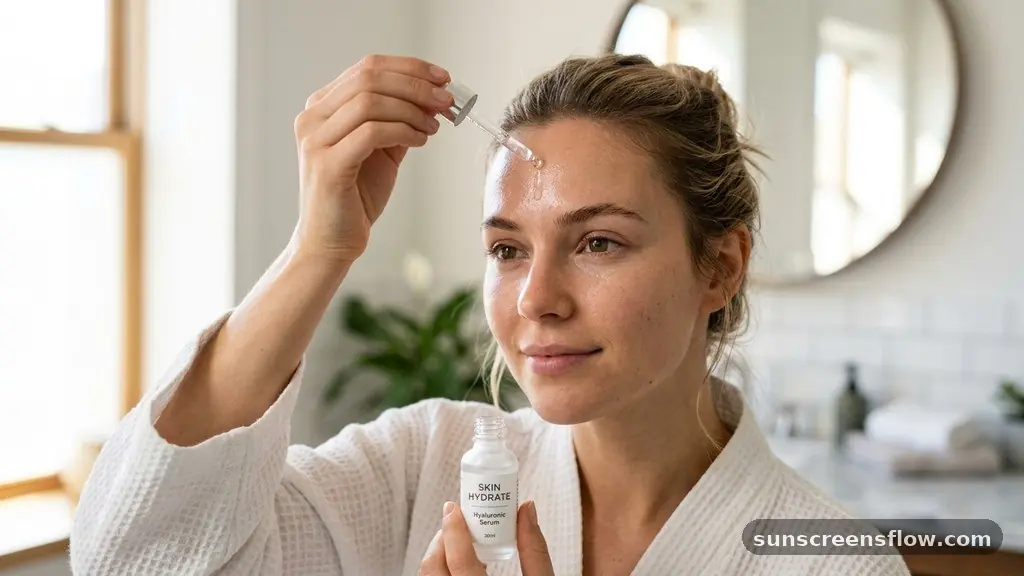
A hydrating serum is a concentrated solution designed to deliver high levels of active ingredients to the skin. While moisturizers are often thick emulsions containing both water and oil, a hydrating serum typically features a water-based formula with a smaller molecular structure.
This allows it to penetrate the epidermis more efficiently than a standard cream. Think of it as a specialized delivery system rather than a protective barrier.
The primary goal of these products is to address skin dehydration, which is a condition where the skin lacks water content. This is distinct from dry skin, which is a lack of natural oils.
Even oily skin can be dehydrated, leading to an overproduction of sebum as the skin attempts to compensate for its parched state. By replenishing water levels, these serums help balance the skin, resulting in a more supple, plump appearance and improved skin elasticity.
The Science of Humectants and Moisture Retention
At the heart of every effective hydrating serum lies the humectant. A humectant is a substance that attracts water molecules from the environment or from the deeper layers of the dermis and holds them against the skin’s surface. Without these ingredients, water would evaporate from your face almost as quickly as you applied it, a process known as transepidermal water loss.
Hyaluronic acid is the most famous example of a humectant. It is a naturally occurring sugar molecule in the human body capable of holding up to 1,000 times its weight in water.
When applied topically, it pulls moisture into the outer layers of the skin, creating an immediate plumping effect. Other common humectants found in these serums include glycerin, which is highly effective and affordable, and panthenol, or Vitamin B5, which is prized for its soothing properties and ability to stabilize the skin’s moisture barrier.
Molecular Weight and Skin Penetration
Not all hydrating ingredients are created equal, and the size of the molecule matters significantly when discussing how deep a product can travel. Many modern serums now utilize different molecular weights of sodium hyaluronate. High molecular weight versions sit on the surface to provide instant smoothing, while low molecular weight versions are small enough to penetrate deeper into the epidermis.
By combining various molecular sizes, formulators create products that provide both immediate surface relief and long-term hydration. This multi-layered approach ensures that the skin remains hydrated throughout the day rather than just in the minutes following application. When you choose a serum, look for labels that mention varying weights or sizes of hyaluronic acid to ensure you are getting the full spectrum of benefits for your complexion.
How Serums Differ from Moisturizers
A common point of confusion for many is the debate regarding serum vs moisturizer. While both are essential for a healthy routine, they perform different functions. A moisturizer acts as an occlusive, which means it forms a seal over the skin to lock in the hydration provided by your serum and prevent water from escaping.
Serums, conversely, are the “drink of water” for your skin. They are designed to sink in completely, leaving no greasy residue behind. If you apply a moisturizer without a serum, you are locking in whatever moisture is already present, but you aren’t actively adding more.
If you apply a serum without a moisturizer, you risk the water in the serum evaporating into the air, potentially leaving your skin feeling tighter than before. Using them in tandem creates a synergistic effect that protects the lipid barrier while keeping the skin cells fully hydrated.
Key Ingredients to Look For
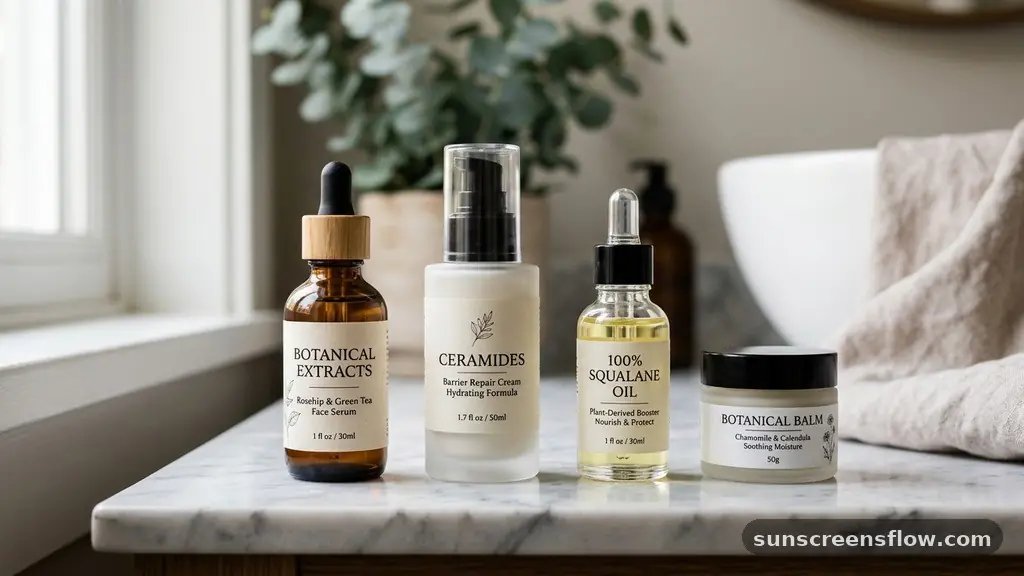
When scouting for the right product, the ingredient list tells the whole story. Beyond the standard humectants, high-quality serums often incorporate supporting ingredients that improve skin health. Ceramides, for instance, are lipids that help restore the skin’s natural moisture barrier, ensuring that the water you’ve added stays put.
Botanical extracts are also frequently included to provide antioxidant support. These ingredients fight the environmental stressors that can degrade collagen production over time.
Squalane is another excellent addition, as it mimics the skin’s natural oils and provides a lightweight, non-comedogenic way to soften the skin texture without clogging pores. Below is a breakdown of common ingredients and their primary functions.
| Ingredient | Primary Function | Skin Benefit |
|---|---|---|
| Hyaluronic Acid | Humectant | Deep hydration and plumping |
| Glycerin | Humectant | Prevents transepidermal water loss |
| Ceramides | Barrier Repair | Strengthens skin structure |
| Panthenol | Soothing Agent | Reduces irritation and redness |
Managing Transepidermal Water Loss
Transepidermal water loss is the silent enemy of glowing skin. It occurs when water evaporates from the dermis through the epidermis and into the atmosphere.
While some water loss is natural, a compromised moisture barrier can accelerate this process, leading to a dull, flaky, or tight complexion. A hydrating serum acts as the first line of defense by saturating the skin with moisture.
However, the serum must be followed by an occlusive layer. This is why the order of application is so critical.
By applying your serum to slightly damp skin and immediately following it with a moisturizer containing oils or waxes, you create a physical barrier that keeps the water trapped in your skin. This simple adjustment in your daily ritual can drastically improve your overall skin texture and comfort levels throughout the changing seasons.
Addressing Topical Skincare Gaps
Many people wonder why their skin still feels dry despite using expensive products. Often, the issue isn’t the quality of the product, but the application method or the lack of a proper seal.
One common gap in routines is the failure to address the skin’s pH or the lack of support for the lipid barrier. If your skin is inflamed, it cannot hold onto water effectively.
Another gap is the reliance on heavy creams when the skin is actually dehydrated. If you are using a thick cream on dehydrated skin, you are essentially “capping” the surface without addressing the dryness underneath. Switching to a humectant-based serum allows you to rehydrate the cells first, which then allows the moisturizer to work more effectively.
Additionally, consider the environment; if you live in a very dry climate, humectants can sometimes pull moisture out of your skin if the air is drier than your face. In these cases, always layer a heavy occlusive over your serum.
Selecting a Product for Your Skin Type
While hydrating serums are generally safe for all skin types, the formulation matters. If you have acne-prone skin, look for labels that explicitly state non-comedogenic.
This ensures the product won’t trigger breakouts. Those with sensitive skin should avoid heavy fragrances or harsh preservatives, opting instead for minimalist, soothing formulas.
For aging skin, look for serums that combine hydration with peptides or antioxidants. These ingredients support collagen production, which naturally slows down as we age.
When your skin is well-hydrated, fine lines are less visible, and your complexion appears firmer. Consistency is key; these products work best when used twice daily, morning and night, as part of a clean, damp-skin application process.
- Always apply to damp skin to maximize water absorption.
- Use only a few drops; these formulas are highly concentrated.
- Allow the serum to absorb for 60 seconds before applying your moisturizer.
- Check for a mix of high and low molecular weight hyaluronic acid.
- Store your serum in a cool, dark place to maintain ingredient stability.
The Long-Term Benefits of Consistent Hydration
Investing in a high-quality serum pays off in the long run. By maintaining optimal hydration levels, you are essentially keeping your skin cells healthy and functional.
Well-hydrated skin is better at repairing itself, has a stronger barrier against environmental pollutants, and maintains a more youthful glow. Over time, you will likely notice that your makeup applies more smoothly and that your skin feels less reactive to external triggers.
This is not a temporary fix; it is a foundational change to your skin’s health. When you stop treating dehydration as an afterthought and start treating it as the primary goal of your skincare regimen, the results become cumulative.
Your skin will become more resilient, soft to the touch, and vibrant. By understanding the role of humectants, the importance of molecular weights, and the necessity of locking in that moisture, you have the tools to maintain a healthy, radiant complexion for years to come.
Frequently Asked Questions
Can I use a hydrating serum instead of a moisturizer?
Generally, no. A serum is designed to pull water into the skin, while a moisturizer is designed to seal that water in. If you skip the moisturizer, the water from your serum may evaporate, potentially leaving your skin feeling even drier than it was before you applied it.
How do I know if my skin is dehydrated?
Dehydrated skin often feels tight, looks dull, and can show fine lines that appear more prominent when you smile or squint. Unlike dry skin, which is a chronic lack of oil, dehydration is a temporary state that makes the skin look fatigued and feel rough to the touch.
Should I apply the serum to wet or dry skin?
For the best results, apply your hydrating serum to slightly damp skin. Because many serums rely on humectants like hyaluronic acid, having a little extra water on the surface allows the product to pull that moisture directly into your skin, enhancing its plumping effects and overall efficacy.
Are all hydrating serums non-comedogenic?
Most are, but you should always check the label. Because these serums are usually water-based and free of heavy oils, they are typically safe for acne-prone skin. However, some formulas may contain additives or thickeners that could potentially clog pores, so look for “non-comedogenic” on the packaging.
Conclusion
Incorporating a hydrating serum into your daily routine is one of the most effective ways to improve your skin’s overall health and appearance. By focusing on deep hydration through high-quality humectants and ensuring you seal that moisture in with a proper barrier, you can address the root causes of dullness and tightness. Remember that consistency is your greatest ally; applying your serum to damp skin twice a day will yield the best results over time.
Whether your skin is oily, dry, or sensitive, there is a formulation designed to balance your complexion and restore your natural glow. Start small, pay attention to how your skin responds, and enjoy the lasting benefits of a well-hydrated face.
Meta Description: Discover what is a hydrating serum, how it works to prevent transepidermal water loss, and why it is essential for maintaining healthy, plump skin.


