


Many skincare enthusiasts wonder if they can use vitamin C serum with retinol in the same routine, primarily because these two ingredients are gold standards for anti-aging. While both offer transformative results, they function through different chemical pathways that often lead to concerns about stability and irritation.
You don’t necessarily have to choose one over the other, but you do need a strategic approach to layering them effectively. By understanding how these active ingredients interact with your skin’s pH and overall barrier function, you can safely incorporate both into your regimen without compromising your results or triggering unnecessary sensitivity.
Understanding the Chemical Compatibility of Active Ingredients
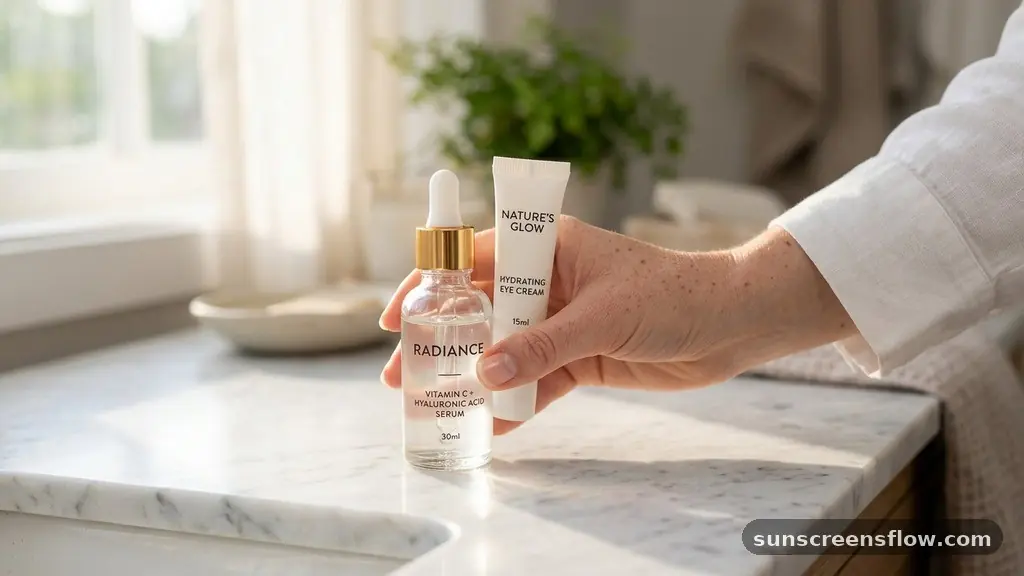
The primary concern regarding whether you can use vitamin C serum with retinol stems from their differing chemical environments. Pure vitamin C, typically found as L-ascorbic acid, requires a low pH—usually below 3.5—to remain stable and effectively penetrate the skin.
In contrast, most topical retinoids perform best in a slightly higher, more neutral pH environment. When you apply them simultaneously, the shift in pH can potentially destabilize the vitamin C, rendering it less effective, or cause the retinol to convert too rapidly, which may lead to unwanted redness or peeling.
Beyond pH levels, both ingredients are potent. L-ascorbic acid is a powerful antioxidant that helps neutralize free radicals caused by environmental damage, while retinol, a derivative of vitamin A, works by increasing cell turnover. When these two are introduced to the skin at once, the sheer volume of biological activity can overwhelm the skin barrier.
This often manifests as stinging, burning, or flaking, especially for those with sensitive skin types. Understanding this dynamic is key to building a routine that respects your skin’s threshold for irritation while maximizing the benefits of each product.
Optimizing Your Routine for Maximum Efficacy
To get the most out of your skincare investments, it is standard practice to separate these ingredients by time of day. A well-constructed morning skin care routine should center on protection, making it the ideal time for your vitamin C serum.
Since vitamin C provides antioxidant properties that defend against UV rays and pollution, applying it under your daily moisturizer and broad-spectrum sunscreen boosts your overall photoprotection. This timing ensures the serum has the best environment to work without interference from other heavy actives.
Your evening skin care routine is the natural home for retinol and its various vitamin A derivatives. During the night, your skin enters a repair phase, which is when the increased cell turnover stimulated by retinoids is most beneficial.
By relegating retinol to the evening, you avoid the potential for daytime instability caused by sun exposure and ensure that your skin isn’t being bombarded by two conflicting pH requirements at once. This separation is the most common dermatologist-recommended protocol for those who want to use both ingredients without causing irritation.
Addressing the Potential for Skin Sensitization
Even if you separate your applications by time of day, some individuals may still experience skin sensitization. This is particularly common if you are new to retinoids or if you have a compromised skin barrier.
When your barrier is damaged, the penetration of these actives becomes erratic, often leading to increased stinging or localized inflammation. If you notice persistent redness or tightness, it is a clear signal that your skin needs a break or a reduction in the frequency of your active applications.
To mitigate this, many experts suggest a “buffer” method or a slow introduction phase. Start by using your retinol only two or three times a week, gradually increasing frequency as your skin builds tolerance. If you choose to use vitamin C during the day, ensure you are using a stabilized form if your skin is prone to reactions.
Listening to your skin is more important than following a rigid schedule. If your skin feels sensitized, skip the actives for a night and focus on hydration and barrier-repairing ingredients like ceramides or lipids to restore balance.
Strategic Serum Layering Techniques
If you are determined to use both products in the same session—perhaps due to time constraints in your evening routine—you must master the art of serum layering. The general rule of thumb is to apply products from thinnest consistency to thickest, but when dealing with actives, you must also prioritize pH levels.
If you must layer them, allow the first product to fully absorb and dry for at least 15 to 20 minutes. This waiting period allows the skin’s pH to return to its natural state, minimizing the risk of a reaction between the two formulas.
However, layering is not always recommended for beginners. If you are mixing products, consider the strength of your retinol. Over-the-counter retinol esters are generally gentler than prescription-strength tretinoin.
If you are using a high-potency prescription retinoid, it is almost always safer to avoid layering it with any other acidic active ingredients. Always monitor for signs of epidermal sensitivity, such as persistent itching or a “shiny” appearance to the skin, which can indicate that the stratum corneum is being over-exfoliated.
The Role of Niacinamide and Hyaluronic Acid
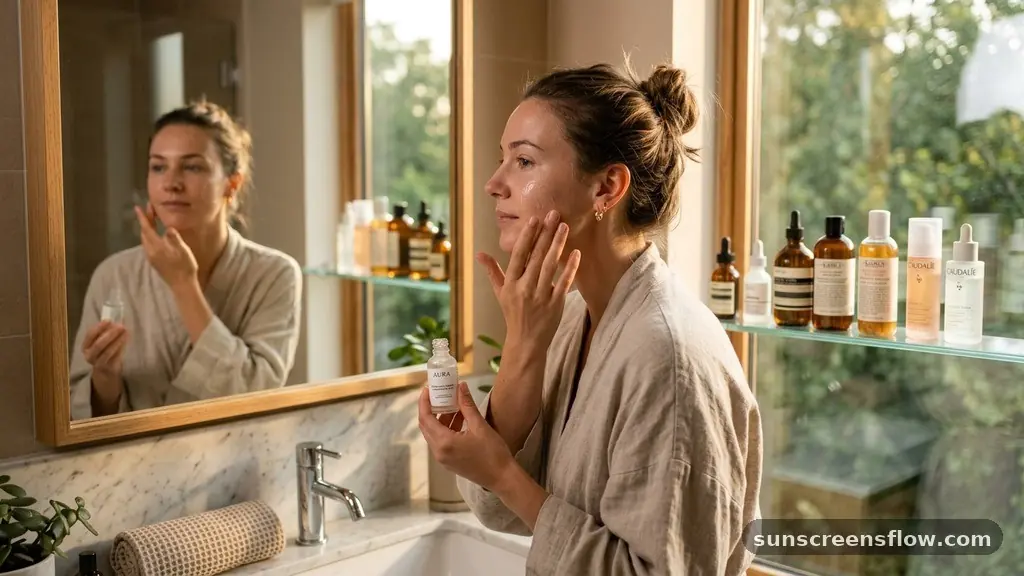
When you decide to use vitamin C serum with retinol, incorporating supporting ingredients can significantly buffer the skin against potential irritation. Niacinamide is a fantastic partner for both, as it helps strengthen the skin barrier and has anti-inflammatory properties that can counteract the redness often associated with retinoid use. It is chemically stable and doesn’t conflict with the pH requirements of either vitamin C or retinol, making it a safe “middle-man” in your routine.
Hyaluronic acid is another essential component to include. Since both vitamin C and retinol can be drying, keeping the skin hydrated is crucial for maintaining a healthy barrier. Hyaluronic acid draws moisture into the skin, plumping the surface and making the transition to using potent actives much smoother.
By keeping the skin well-hydrated, you reduce the likelihood of the flaking and dryness that often discourage people from continuing their retinol journey. Using a hydrating serum or moisturizer alongside your actives is a simple, effective way to ensure your skin stays comfortable and resilient.
Addressing Topical Gaps in Skincare Knowledge
A common gap in current advice is the confusion between various forms of vitamin A. Many users treat all retinoids as the same, but there is a significant difference between retinol esters, retinol, and prescription-strength tretinoin. Retinol esters are very gentle and less likely to cause irritation, making them safer to pair with other products.
Conversely, tretinoin is highly potent and triggers significant skin turnover. If you are using tretinoin, you must be much more cautious about adding other active ingredients like L-ascorbic acid to your routine.
Another overlooked aspect is the quality of the packaging. Vitamin C, especially L-ascorbic acid, is notoriously unstable and degrades quickly when exposed to light or air. If your serum has turned a dark orange or brown, it has oxidized and lost its efficacy.
Using an oxidized serum on top of a retinoid is not only useless but can also introduce unstable free radicals to your skin, which is the exact opposite of what you want to achieve. Always store your vitamin C in a cool, dark place and opt for airtight, opaque packaging to ensure the product remains active.
| Ingredient | Optimal pH | Primary Benefit | Best Time to Use |
|---|---|---|---|
| L-Ascorbic Acid | Below 3.5 | Antioxidant/Brightening | Morning |
| Retinol | 5.0 – 6.0 | Cell Turnover/Anti-aging | Evening |
| Niacinamide | 5.0 – 7.0 | Barrier Support | Anytime |
| Hyaluronic Acid | 5.0 – 7.0 | Hydration | Anytime |
Managing Oxidative Stress and Photoaging
Both vitamin C and retinol are powerful tools in the fight against photoaging. Oxidative stress from UV exposure is a primary driver of collagen degradation and hyperpigmentation. Vitamin C works by scavenging these free radicals before they can damage your skin cells.
Retinol, on the other hand, works internally to stimulate new collagen synthesis and improve skin texture. Together, they form a comprehensive defense against the signs of aging, provided they are used in a way that doesn’t compromise the skin barrier.
To address hyperpigmentation specifically, many people feel the need to use both products simultaneously for faster results. While the temptation is high, patience is your best ally.
Consistent, long-term use of these ingredients at separate times of the day will yield better results than a short-term, aggressive approach that leads to irritation. If you find your skin is particularly reactive, consider alternating your nights for retinol use or using a lower concentration of vitamin C until your skin builds up the necessary tolerance to handle more potent formulations.
The Importance of Daytime Sun Protection
Regardless of whether you use vitamin C serum with retinol or not, daytime sun protection is non-negotiable. Retinoids increase the skin’s sensitivity to UV rays, making it even more important to apply a broad-spectrum sunscreen every single morning.
Without proper UV protection, the anti-aging benefits of your retinol will be effectively canceled out by the damage caused by the sun. Think of your sunscreen as the final, most important step in your morning routine, regardless of what serums you have applied underneath.
Furthermore, vitamin C works synergistically with sunscreen to provide a higher level of protection. While sunscreen blocks UV rays, vitamin C neutralizes the free radicals that manage to slip past your physical or chemical filters.
This combination is essentially the “gold standard” for daytime skincare. By protecting your skin during the day and repairing it at night with retinoids, you create a balanced, effective, and sustainable approach to long-term skin health.
Common Questions About Combining Actives
Should you apply vitamin C or retinol first?
If you are using them in the same routine, apply the product with the lower pH first. Usually, this means vitamin C. Wait at least 15 to 20 minutes for the skin to return to its natural pH before applying your retinol to minimize potential irritation.
What works 11 times faster than retinol?
While marketing claims often suggest ingredients like bakuchiol or certain peptides work faster, there is no scientific consensus that any ingredient replaces the efficacy of retinoids. Retinol remains the most studied and proven ingredient for skin cell turnover and collagen production.
Why shouldn’t I use vitamin C and retinol together?
You can use them together, but doing so without care can lead to pH instability and skin irritation. The primary reason for caution is that their different acidity levels can cause the products to interact poorly, potentially causing redness, stinging, or flaking for those with sensitive skin.
What do Koreans use instead of retinol?
Many Korean skincare routines focus on gentler alternatives like peptides, fermented ingredients, and plant-based extracts such as bakuchiol. These ingredients aim to provide similar anti-aging and brightening benefits by supporting the skin barrier rather than relying on the aggressive cell turnover associated with strong retinoids.
Achieving Long-Term Skin Health
Integrating powerful actives into your daily routine is a journey of trial and error. The goal is not to use as many products as possible, but to find the right combination that addresses your specific skin concerns without causing damage.
When you consider whether you can use vitamin C serum with retinol, remember that the safest and most effective path is usually to separate them by time of day. This simple adjustment allows you to leverage the unique benefits of each ingredient while keeping your skin barrier intact and healthy.
Start slowly, listen to your skin’s feedback, and prioritize hydration and sun protection above all else. Consistency is far more important than intensity when it comes to long-term skin health. If you are ever unsure about how your skin is reacting, don’t hesitate to consult a professional for a personalized, dermatologist-recommended protocol.
By taking a thoughtful and measured approach, you can enjoy the transformative benefits of these two powerhouses while keeping your complexion glowing, smooth, and resilient. Feel free to reach out if you have more questions about building your routine.
Meta Description: Curious if you can use vitamin c serum with retinol? Learn how to layer these powerful anti-aging ingredients safely to maximize results without irritation.


