


Navigating the complexities of a modern skincare routine can often feel like solving a chemistry puzzle, especially when it comes to potent ingredients like retinol. One of the most frequent questions enthusiasts ask is: do you put retinol on before or after serum? The short answer is that it largely depends on the specific consistency of your products and the goals of your routine.
Generally, you want to apply products from the thinnest consistency to the thickest, but when dealing with high-potency active ingredients, protecting your skin barrier becomes the primary priority. Mismanaging the order of your products can lead to diminished effectiveness or, worse, significant irritation.
Understanding the Rule of Thin-to-Thick Application
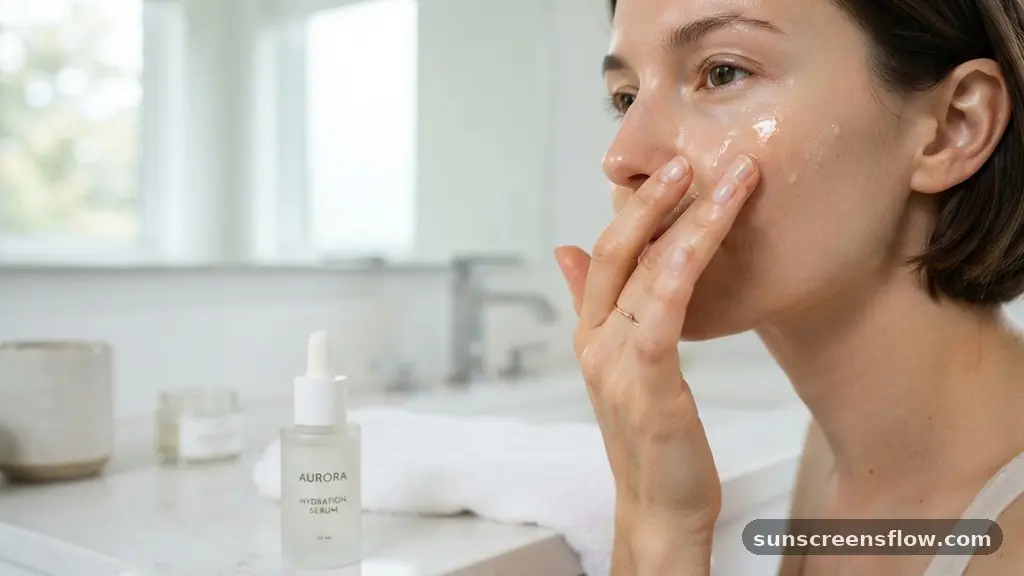
The golden rule of skincare layering is to apply products in order of their serum consistency and viscosity. This means starting with the lightest, most water-based formulas and finishing with the heaviest creams.
Most serums are designed with a thin, water-like base to ensure rapid skin absorption. If you were to apply a heavy facial moisturizer or an oil-based treatment first, the thicker molecules would create a barrier on the surface of your skin, effectively blocking the penetration of lighter, active-heavy serums.
When incorporating retinol into this sequence, you must evaluate what your serum is composed of. If your serum is a lightweight, water-based product—such as a hydrating hyaluronic acid serum—it should typically go on before your retinol treatment. However, if your retinol is an oil-based serum or a creamy emulsion, it might actually be thicker than your other products.
In such cases, you would reverse the order. The goal is to allow the skin to drink in the ingredients that need to reach the deeper layers first, ensuring that your nighttime routine is as efficient as possible.
Why Molecular Weight Dictates Your Routine
The science behind skincare layering is rooted in molecular weight. Ingredients with lower molecular weights, like certain vitamins or small-molecule peptides, can penetrate the stratum corneum more easily. Retinol, a derivative of Vitamin A, is a lipid-soluble compound.
Because it interacts with the skin’s lipid barrier, it behaves differently than water-soluble serums. If you apply a thick, occlusive moisturizer before your retinol, you may prevent the retinoid from reaching the receptors where it performs its collagen-stimulating magic.
Conversely, if you apply retinol directly to damp skin, you risk faster absorption, which can increase the likelihood of skin sensitization or redness. This is why many experts suggest applying a light, non-occlusive serum first.
By creating a thin buffer, you allow the skin to absorb the active ingredient at a controlled rate. Understanding the molecular behavior of your products helps you transition from a chaotic collection of bottles to a structured system that maximizes the benefits of every drop.
The Role of pH Balance in Layering Actives
Many people fail to consider the pH balance of their products when layering. Retinoids often require a skin environment that is closer to the natural pH of the skin to remain stable and effective.
If you are using a serum that is highly acidic—such as a potent vitamin C or an alpha-hydroxy acid (AHA)—layering it immediately with retinol can create a volatile chemical environment. This combination can lead to severe irritation or even neutralize the efficacy of both products.
If you are using multiple actives, it is usually best to separate them by time of day or to allow a significant “waiting period” (at least 15 to 20 minutes) between applications. For instance, many dermatologists recommend using vitamin C in the morning to combat environmental stressors and reserving retinol for the evening.
If you must use them in the same routine, applying the product with the more acidic pH first and waiting for it to fully absorb is essential. This prevents the “pilling” effect and ensures that your skin doesn’t become overwhelmed by competing chemical signals.
Managing Skin Sensitization and the Buffer Method
For those new to retinoids, the “sandwich method” is a popular technique to mitigate potential side effects. This involves applying a light layer of facial moisturizer, followed by your retinol, and then finishing with another layer of moisturizer.
This approach is highly effective for those with sensitive skin or those who find that direct application of tretinoin or retinol causes peeling and dryness. By using a buffer, you slow down the rate of dermal absorption, allowing the skin to adjust to the potent effects of the Vitamin A derivative over time.
It is important to remember that retinol is a form of chemical exfoliation in a broad sense, as it increases cell turnover. Because of this, it is crucial to avoid layering it with other harsh exfoliants like scrubs or high-concentration acids. If you find your skin barrier is compromised—evidenced by stinging, redness, or an inability to tolerate your usual products—take a step back.
Simplify your routine to just a gentle cleanser, a basic moisturizer, and a sunscreen during the day. Let your skin recover before reintroducing the retinol, and always start with a low frequency, such as two nights a week.
Comparing Common Skincare Order Scenarios
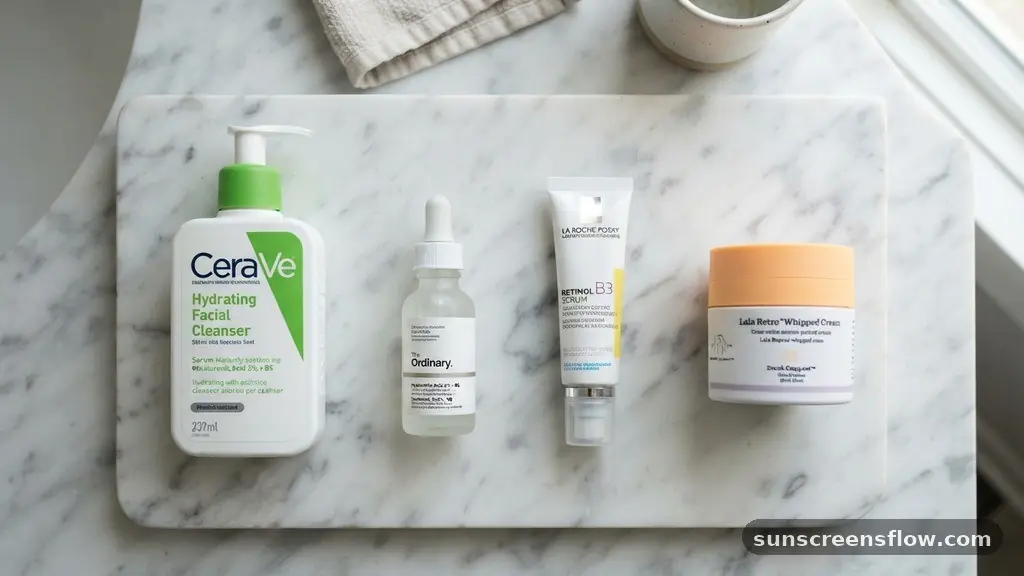
To help you visualize how these products interact, the following table outlines the recommended sequence for various product types based on their density and function.
| Product Category | Typical Order | Layering Logic |
|---|---|---|
| Cleanser | 1st | Removes debris to prep the surface. |
| Hydrating Serum (e.g., Hyaluronic Acid) | 2nd | Water-based; low molecular weight. |
| Retinol Treatment | 3rd | Active; lipid-soluble; needs direct access. |
| Heavy Moisturizer | 4th | Occlusive; locks in moisture and actives. |
This structure ensures that you are not creating an impenetrable wall with heavy creams before your active treatments have had a chance to work. Always remember that these are guidelines, not laws; if your specific retinol product is a watery serum, it should be treated as such and applied earlier in the sequence.
Addressing Topical Gaps: Retinol and Niacinamide
A common question that arises is how to pair niacinamide with retinol. Niacinamide is a versatile ingredient known for its ability to soothe the skin and strengthen the barrier, making it an excellent partner for the potentially irritating nature of retinoids.
Because niacinamide is typically water-based and has a soothing profile, it is generally safe to apply it before your retinol. In fact, many dermatologists suggest that using a niacinamide serum can actually help mitigate the irritation caused by retinol, allowing you to reap the anti-aging benefits without the dreaded “retinol uglies.”
However, ensure that the niacinamide serum you are using does not contain other active ingredients that might react poorly with your retinol, such as high concentrations of AHAs or BHAs. When in doubt, read the ingredient list carefully.
If you are ever unsure about a combination, a patch testing approach is the safest route. Apply a small amount of the combination on the inside of your forearm or behind your ear for a few days to see if any redness or itching develops before committing to using it on your entire face.
The Importance of Occlusion and Skin Protection
The final step in your routine—the occlusion step—is just as important as the application of the retinol itself. Once you have applied your serum and your retinol, you need a high-quality facial moisturizer to seal everything in.
This is especially vital when using retinoids, as they can cause transepidermal water loss. A good moisturizer acts as a physical barrier that prevents moisture from escaping, which is essential for maintaining a healthy skin barrier.
Look for products that are non-comedogenic if you are prone to breakouts, as some heavy creams can clog pores. Ingredients like ceramides, squalane, or glycerin are excellent choices for a final layer.
They provide the necessary hydration to counteract the drying effects of retinol without feeling heavy or greasy. By sealing your skin, you ensure that the active ingredients stay where they are needed, rather than evaporating or rubbing off on your pillowcase during the night.
Why Dermatologist-Led Routines Are Superior
While online advice is abundant, nothing beats the personalized guidance of a dermatologist. Everyone’s skin is unique, with different levels of sensitivity, oil production, and environmental exposure.
A professional can assess whether your skin is better suited for a prescription-strength retinoid like tretinoin or an over-the-counter retinol. They can also help you identify if you are over-treating your skin, which is a common mistake that leads to damaged moisture barriers.
If you are struggling with persistent redness or if your acne is worsening despite your best efforts, it is time to consult a professional. They can look at your current product lineup and help you reorder them to ensure you are getting the maximum benefit.
Sometimes, the issue isn’t the order of application at all, but rather the concentration of the ingredients you are using. A dermatologist can help you scale your routine appropriately, ensuring that your path to better skin is both effective and sustainable.
Common Mistakes to Avoid in Your Routine
To ensure your routine is as effective as possible, avoid these frequent pitfalls:
- Applying retinol to wet or damp skin: This increases absorption too rapidly and triggers irritation. Always wait until your skin is completely dry.
- Using too much product: A pea-sized amount is sufficient for the entire face. More is not better and will only increase the risk of side effects.
- Skipping SPF during the day: Retinoids make your skin more sensitive to UV rays.
Sunscreen is non-negotiable the morning after using retinol.
- Mixing retinol with incompatible ingredients: Keep your routine simple and avoid layering multiple strong actives at once.
- Giving up too soon: Retinol results take time. It often takes 8 to 12 weeks of consistent use to see significant changes in texture and tone.
By avoiding these common errors, you set yourself up for long-term success. Skincare is a marathon, not a sprint, and consistency is the most important factor in achieving your goals. Whether you choose to apply your retinol before or after your serum, make sure you are doing so in a way that respects your skin’s individual needs and tolerance levels.
Frequently Asked Questions
Should I apply retinol before or after my moisturizer?
Generally, you should apply retinol before your moisturizer. Applying it before allows the active ingredients to penetrate the skin directly. If you have sensitive skin, you can apply a light layer of moisturizer first, then the retinol, and follow with another layer of moisturizer to reduce irritation.
Can I use a vitamin C serum at the same time as retinol?
It is usually best to separate them. Use vitamin C in the morning to protect against environmental damage and retinol at night for repair. If you must use both, wait at least 20 minutes between applications to ensure the pH levels of your skin have stabilized.
How do I know if my retinol is working?
Retinol works over time by increasing cell turnover. You might notice subtle improvements in skin texture, a reduction in fine lines, or clearer pores after 8 to 12 weeks of consistent use. Avoid looking for immediate results, as patience is essential when using potent active ingredients.
Is it okay to use retinol every single night?
If your skin is well-acclimated, you can use it nightly. However, if you are just starting, it is best to begin with two or three nights a week. Gradually increase the frequency as your skin builds tolerance to avoid the common side effects of redness, peeling, and dryness.
Conclusion
Determining whether you put retinol on before or after serum is a balancing act of consistency, molecular weight, and skin tolerance. While the general rule of “thinnest to thickest” provides a solid framework, the most effective routine is one that prioritizes the health of your skin barrier. By understanding how retinol interacts with your other products, you can minimize irritation and maximize the transformative benefits of your nighttime routine.
Whether you opt for the sandwich method to soothe sensitive skin or apply it directly for more intensive treatment, consistency and patience remain your most valuable tools. Always listen to your skin, prioritize hydration, and never skip your daily sun protection to ensure your journey toward healthier skin remains safe and successful.


