


Skincare routines have become increasingly complex, leaving many consumers wondering what is serum for and why it holds such a prized position on vanity shelves. At its core, a serum is a targeted treatment designed to deliver high concentrations of specific active ingredients directly into the skin. Unlike standard lotions or creams, which are formulated primarily to moisturize and protect the surface, these potent potions are engineered to penetrate deeper.
By utilizing a lower molecular weight, they bypass the typical limitations of thicker emollients, allowing for enhanced epidermal absorption. Whether you are looking to combat signs of aging, brighten a dull complexion, or manage persistent acne, understanding the unique role of this product is the first step toward achieving your skincare goals.
The Fundamental Purpose of Targeted Skincare
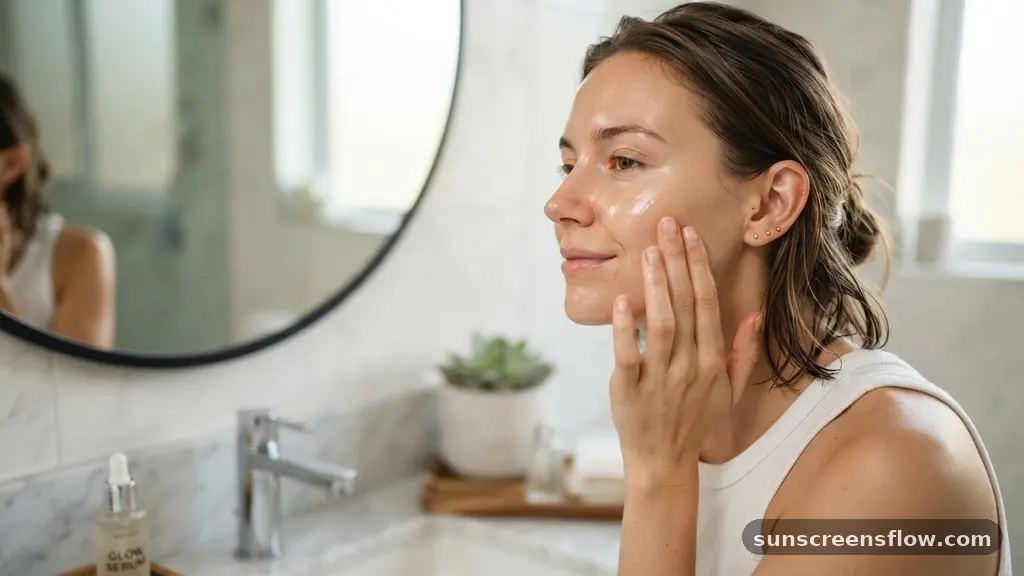
The primary function of a serum is to address specific concerns by providing a concentrated dose of nutrients. Because they are often formulated with a lightweight, non-greasy formula, they sink in quickly without leaving a heavy residue.
Think of your moisturizer as the protective coat that seals in moisture and shields your face from the elements, while the serum acts as the powerhouse engine driving change beneath the surface. When you ask what is serum for in a clinical sense, the answer lies in its ability to influence cellular behavior.
By delivering antioxidants, vitamins, and specialized acids directly to the skin, these products can influence processes like collagen production and melanin regulation. This makes them indispensable tools for those dealing with chronic issues like hyperpigmentation, fine lines, or uneven skin texture. Because they contain fewer thickening agents and emulsifiers than traditional creams, they can house a significantly higher percentage of active molecules, making them the most efficient delivery system in your daily regimen.
Distinguishing Between Serum and Cream
A common point of confusion for many is the difference between a serum and a standard facial moisturizer. While both contribute to skin health, they serve distinct biological functions.
A moisturizer is typically designed to sit on the surface to prevent trans-epidermal water loss (TEWL), effectively acting as a physical barrier. A serum, conversely, is designed to be absorbed.
To visualize the difference, consider the table below which breaks down the functional characteristics of these two essential skincare components:
| Feature | Serum | Moisturizer |
|---|---|---|
| Primary Goal | Targeted treatment/correction | Hydration and protection |
| Texture | Lightweight, fluid, gel-like | Creamy, thick, occlusive |
| Molecular Weight | Low (penetrates deep) | High (sits on surface) |
| Application | Before moisturizer | After serum |
Understanding this distinction is vital. If you apply a heavy cream before a serum, the serum’s molecules may struggle to penetrate the occlusive layer created by the cream, rendering the active ingredients ineffective. By following the correct order—thinnest to thickest—you ensure that your products work in harmony rather than competing for space on your skin.
Hydration and the Role of Hyaluronic Acid
One of the most popular uses for serums is intensive hydration. When people inquire about what is serum for in the context of dry or dehydrated skin, the answer frequently points to hyaluronic acid.
This molecule is a humectant, meaning it draws moisture from the environment into the skin. Because it can hold up to 1,000 times its weight in water, it provides an immediate plumping effect that makes the skin appear firmer and more youthful.
Hydrating serums are essential for maintaining the integrity of the skin barrier. When the barrier is compromised, the skin loses moisture more rapidly, leading to sensitivity and irritation.
By incorporating a serum rich in humectants, you provide the foundational moisture necessary for the skin to heal and protect itself. It is a common misconception that only those with dry skin need these products; in reality, oily skin types also benefit, as dehydration can often trigger the skin to produce excess oil to compensate for the lack of water.
Combating Signs of Aging with Retinol and Peptides
For those focused on anti-aging, serums are the most effective vehicles for delivering heavy-hitting ingredients. Retinol, a derivative of Vitamin A, is widely considered the gold standard in dermatology for reducing the appearance of wrinkles and fine lines. When applied via a serum, retinol works by increasing cell turnover and stimulating the production of new collagen.
Peptides are another crucial component in the anti-aging arsenal. These chains of amino acids act as building blocks for proteins like collagen and elastin. By applying a peptide-rich serum, you are essentially sending a signal to your skin to repair itself and maintain its structural integrity.
Unlike aggressive treatments that might cause irritation, peptide serums are generally well-tolerated and are excellent for long-term maintenance of skin elasticity. Consistent use of these actives is what allows users to see a tangible shift in skin firmness over several months.
Brightening and Addressing Hyperpigmentation
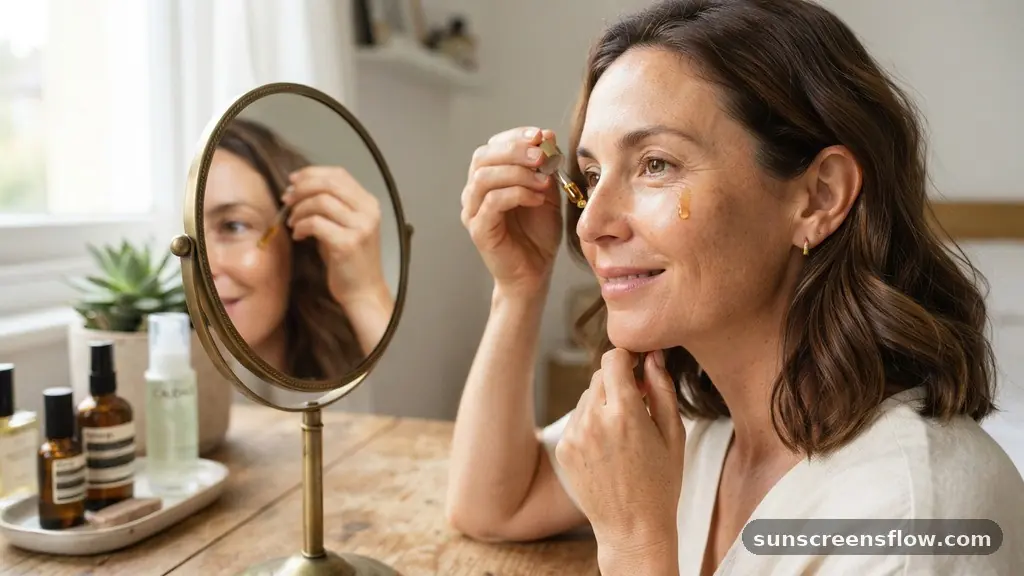
If you are dealing with dark spots, sun damage, or a generally dull complexion, a brightening serum is likely your best solution. Vitamin C is the most renowned ingredient in this category. As a powerful antioxidant, it protects the skin from free radical damage caused by UV rays and pollution. More importantly, it inhibits the enzyme tyrosinase, which is responsible for melanin production, thereby helping to fade existing hyperpigmentation and prevent new dark spots from forming.
When selecting a brightening serum, you should also look for niacinamide. This versatile ingredient works by calming inflammation, which is often the precursor to post-inflammatory hyperpigmentation (the dark marks left behind after an acne breakout).
Combining Vitamin C and niacinamide—or using them at different times of the day—can dramatically improve the overall radiance and clarity of your skin. These ingredients do not work overnight, but with consistent use, they transform the skin by evening out tone and restoring a natural, healthy glow.
The Importance of Chemical Exfoliation
Beyond hydration and anti-aging, serums are frequently used for chemical exfoliation. Unlike physical scrubs, which can cause micro-tears in the skin, exfoliating serums use acids to dissolve the “glue” holding dead skin cells to the surface. Ingredients such as alpha-hydroxy acids (AHAs) like glycolic or lactic acid, and beta-hydroxy acids (BHAs) like salicylic acid, are common in these formulations.
The primary benefit here is the improvement of skin texture. By regularly removing the buildup of dead cells, you allow your other skincare products—such as moisturizers and sunscreens—to penetrate more effectively.
Salicylic acid is particularly useful for those struggling with acne, as its oil-soluble nature allows it to dive deep into pores, clearing out the debris that leads to blackheads and whiteheads. When incorporating these into your routine, it is vital to start slowly to avoid disrupting the protective barrier, as over-exfoliation can lead to redness and sensitivity.
Oil-Based vs Water-Based Formulations
Choosing between an oil-based vs water-based serum often comes down to your skin type and your specific goals. Water-based serums are generally the most common; they are lightweight, absorb instantly, and are ideal for delivering water-soluble actives like Vitamin C or hyaluronic acid. They are perfect for layering under makeup and are rarely comedogenic, meaning they won’t clog pores.
Oil-based serums, on the other hand, are designed to nourish and seal. They are excellent for those with dry or mature skin who need an extra boost of lipids to prevent moisture loss. These serums often feature botanical extracts that provide antioxidant protection while softening the skin.
If you have oily or acne-prone skin, you might prefer a water-based serum for your morning routine and save the oil-based treatment for the evening. The key is to observe how your skin reacts to the texture; your skin will often “tell” you which consistency it prefers by how quickly the product absorbs and whether it leaves a comfortable finish.
Best Practices for Serum Application
Proper skin serum application is just as important as the formula itself. Because serums contain highly concentrated ingredients, you only need a small amount—usually three to four drops—to cover the entire face. Using more does not necessarily provide better results and can sometimes lead to pilling or irritation.
- Cleanse your face thoroughly to remove dirt and excess oils.
- Apply the serum while your skin is still slightly damp to enhance penetration.
- Gently press the product into your skin with your palms rather than rubbing it vigorously.
- Allow the serum to absorb for at least 60 seconds before applying your moisturizer or sunscreen.
- Always wear broad-spectrum SPF during the day, especially if you are using active ingredients like retinol or exfoliating acids.
By following these steps, you maximize the efficiency of the product. Pressing the serum into the skin helps improve circulation and ensures even distribution. Waiting for the serum to “set” ensures that your moisturizer doesn’t drag the active ingredients around, keeping them exactly where they are needed most to work their magic.
Topical Gaps: Addressing Common Misconceptions
Many users are confused about whether they need a serum at all, or if they can rely solely on a moisturizer. The gap in knowledge here usually stems from marketing that suggests “all-in-one” products.
While some moisturizers do contain beneficial actives, they are rarely present in the concentrations found in a dedicated serum. Furthermore, the base of a moisturizer is designed to be occlusive, which actually acts as a barrier to the very ingredients you want to absorb.
Another common gap is the fear of “overloading” the skin. Some people worry that using multiple serums will cause a reaction. While it is true that you shouldn’t mix certain ingredients (like retinol and strong AHAs) at the same time, layering serums is a standard dermatological practice when done with awareness.
The key is to layer based on your skin’s tolerance and needs. If you are a beginner, start with one serum for one specific concern. Once your skin adjusts, you can gradually introduce others, provided you monitor for signs of irritation or sensitivity.
FAQ: Understanding Serums
Do I really need a serum in my daily routine?
While not strictly mandatory for everyone, a serum is highly recommended if you want to address specific concerns like aging, dark spots, or chronic dryness. Because they contain higher concentrations of active ingredients than standard creams, they provide faster and more significant results for targeted skincare goals.
Can I use multiple serums at the same time?
Yes, you can layer multiple serums, but it is best to apply them from thinnest to thickest consistency. Be cautious when combining potent actives like retinol, Vitamin C, and exfoliating acids, as using too many strong ingredients simultaneously can overwhelm your skin barrier and cause significant irritation.
Should I apply my serum in the morning or evening?
The timing depends on the ingredients. Antioxidant-rich serums, such as Vitamin C, are best used in the morning to protect against environmental damage. Retinol and exfoliating acid serums should be used at night, as they can increase your skin’s sensitivity to sunlight and work best during the skin’s repair cycle.
Does a serum replace my moisturizer?
No, a serum does not replace your moisturizer. Serums are designed to deliver active ingredients deep into the skin, while moisturizers are designed to lock in that moisture and protect the surface. Using them together ensures you get the benefits of the treatment without losing hydration through evaporation.
Conclusion
Understanding what is serum for is the key to unlocking a more effective and personalized skincare routine. These potent, lightweight treatments serve as the bridge between basic cleansing and targeted correction, allowing you to deliver concentrated nutrients exactly where they are needed most. Whether you are harnessing the hydrating power of hyaluronic acid, the anti-aging benefits of retinol, or the brightening effects of Vitamin C, serums provide the specialized care that standard moisturizers simply cannot match.
By choosing the right formulations for your skin type and applying them with a thoughtful, disciplined approach, you can significantly improve your skin’s health, texture, and resilience. Remember that consistency is the most important factor in any regimen; give your skin time to adapt to new actives, and you will soon see the transformative power of these small but mighty bottles.


