


Achieving longer, fuller lashes is a common beauty goal, leading many to wonder: does eyelash serum work? The short answer is yes, but the effectiveness depends heavily on the active ingredients and your expectations regarding the biological limits of your hair growth.
While the marketing surrounding these products often promises “dramatic” transformations overnight, the reality is rooted in the complex science of the hair growth cycle and the specific chemical compounds used to stimulate follicles. Whether you are looking to recover from lash extensions or simply want to enhance your natural look, understanding how these serums interact with your lash line is essential for both your aesthetic results and your eye health.
The Biological Mechanics of Lash Growth
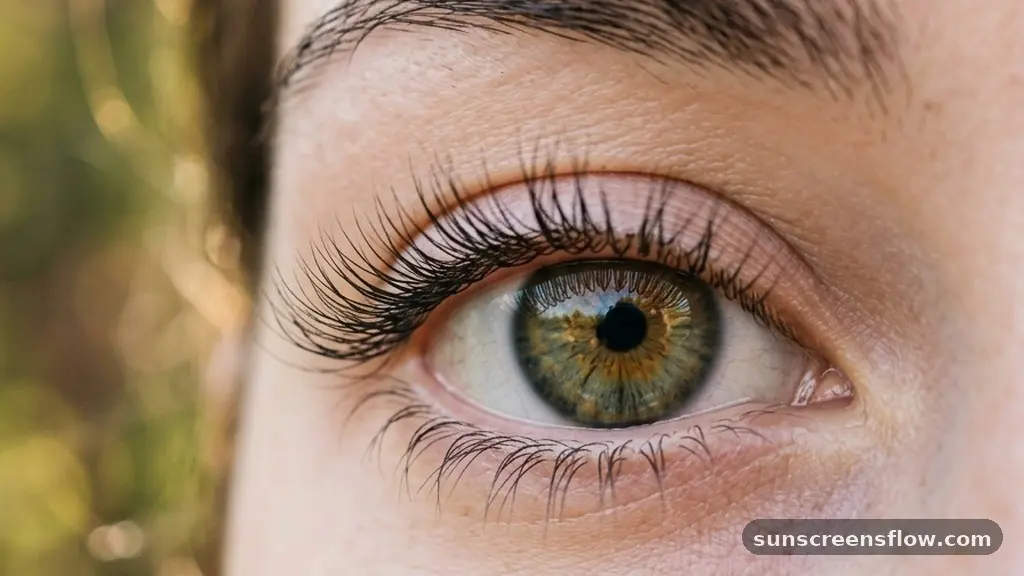
To understand if these products function, you must first look at the hair growth cycle of your eyelashes. Every hair on your body, including your lashes, goes through three distinct phases: the anagen phase (growth), the catagen phase (transition), and the telogen phase (resting). Eyelashes have a relatively short anagen phase compared to the hair on your scalp, which is why they do not grow to be several feet long. Follicular stimulation is the primary goal of any effective lash serum; by extending the duration of the anagen phase, the serum allows the hair to remain in the growth stage for a longer period, resulting in greater lash length.
Furthermore, these serums aim to improve eyelash density by nourishing the follicle at the root. When the follicle is healthy and receiving adequate nutrients, the resulting hair fiber is often thicker and more resilient. However, it is vital to remember that a serum cannot create new hair follicles where none existed.
It can only optimize the performance of the follicles you already possess. If your lashes are naturally sparse due to genetics, a serum will improve their appearance, but it will not turn thin, fine lashes into a thick, heavy fringe overnight. Consistency is the primary factor in determining success, as the serum must be applied daily to ensure that the active ingredients are present throughout the entire growth cycle.
Prostaglandin Analogs and Their Potency
The most effective category of lash-enhancing products relies on prostaglandin analogs. These compounds, such as bimatoprost or isopropyl cloprostenate, were originally discovered when patients using glaucoma medication noticed that their eyelashes grew significantly longer and darker.
These substances work by mimicking the body’s natural lipids, directly signaling the follicles to stay in the growth phase longer. This is the gold standard for clinical efficacy in the world of lash enhancement, as these ingredients have the most robust data supporting their ability to increase both the length and the thickness of the lashes.
However, the power of these ingredients comes with a caveat. Because they are biologically active, they are also the most likely to cause ocular side effects. Users of prostaglandin-based serums have reported issues such as iris pigmentation—a permanent darkening of the colored part of the eye—and eyelid skin darkening, which is usually reversible once the product is discontinued.
Another concern noted in clinical observations is periorbital fat loss, which can lead to a sunken appearance around the eyes. Because of these potential risks, many people prefer to use these products under the guidance of a dermatologist or ophthalmologist, especially if they have a history of eye sensitivity.
Peptide Complexes and Conditioning Agents
For those who are wary of the potential side effects associated with prostaglandin analogs, many brands have shifted toward peptide complexes. These are chains of amino acids that serve as the building blocks for proteins like keratin, which makes up the structure of your hair.
While peptides do not necessarily “grow” hair in the same way that prostaglandin analogs do, they are excellent for follicular health. By strengthening the hair shaft, peptides help prevent breakage, making lashes appear fuller and longer because they are not falling out or snapping off prematurely.
In addition to peptides, many serums contain a cocktail of conditioning agents designed to hydrate and protect the hair. Common ingredients include:
- Biotin: Often cited for its role in supporting hair protein structure and strength.
- Panthenol: A provitamin of B5 that acts as a humectant, pulling moisture into the lash shaft to prevent brittleness.
- Hyaluronic acid: Provides intense hydration to the base of the lash, keeping the surrounding skin healthy and receptive to growth.
- Keratin: A structural protein that fills in damaged areas of the lash cuticle, smoothing the surface and adding shine.
These ingredients focus on the “health” aspect of lash maintenance. While you may not see the radical, rapid growth associated with medical-grade serums, you will likely notice that your lashes look healthier, feel softer, and are less prone to shedding. This approach is generally considered safer and is an excellent option for those with sensitive eyes or those who simply want to maintain the lashes they already have without introducing potent hormonal analogs into their beauty routine.
Safety and Dermatological Testing
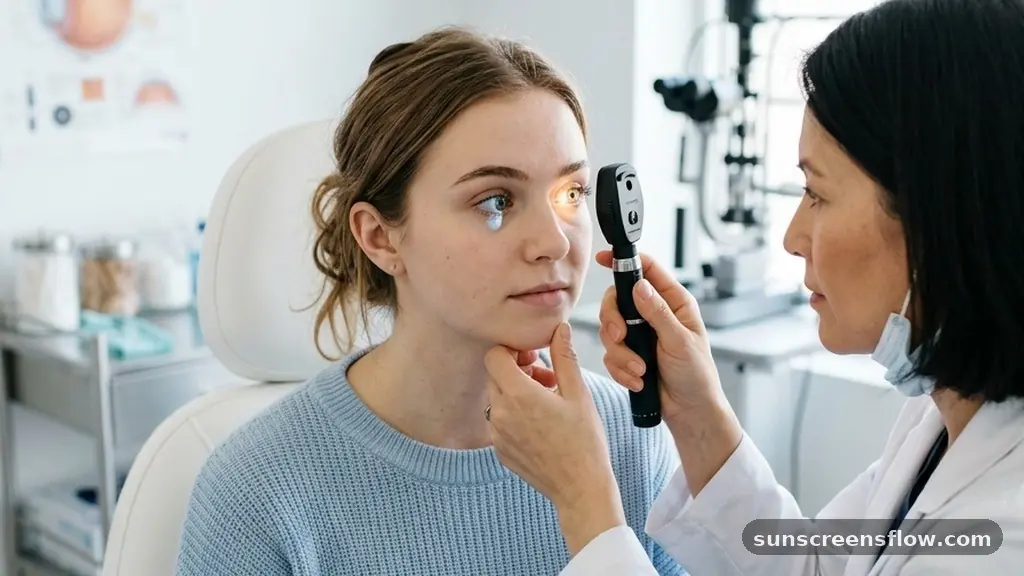
When researching “does eyelash serum work,” the conversation inevitably turns to cosmetic product safety. Because these products are applied directly to the lash line, which is in extremely close proximity to the sensitive mucous membranes of the eye, they must be formulated with extreme care. Dermatological testing and ophthalmological safety assessments are critical indicators of a high-quality product. A reputable brand will conduct clinical trials to ensure that the serum does not cause irritation, inflammation, or long-term damage to the ocular surface.
If you are a regular wearer of contact lenses, you need to be particularly cautious. Ingredients in certain serums can build up on the surface of soft contact lenses, leading to contact lens sensitivity or blurred vision. It is generally recommended to wait at least 15 to 30 minutes after applying a serum before inserting lenses, or to apply the product at night to minimize the risk of interaction.
Furthermore, if you have a history of allergic conjunctivitis or chronic dry eye, you should consult with an eye care professional before starting any new lash treatment. The skin around the eyes is the thinnest on the body, making it highly susceptible to contact dermatitis, so performing a patch test on your inner forearm before applying the product to your lash line is a wise precautionary measure.
Comparing Serum Types: A Quick Overview
Choosing the right serum requires balancing your desire for results against your tolerance for potential side effects. The table below outlines the general characteristics of the two primary types of serums available on the market today.
| Feature | Prostaglandin-Based Serums | Peptide/Conditioning Serums |
|---|---|---|
| Primary Goal | Stimulate rapid growth and length | Strengthen and condition existing lashes |
| Mechanism | Extends the anagen (growth) phase | Provides nutrients and structural support |
| Speed of Results | Typically 4–8 weeks | Typically 8–12 weeks |
| Risk Profile | Higher (pigmentation, irritation) | Low (minimal side effects) |
As shown in the table, the trade-off is clear: the more potent the chemical mechanism, the faster the results, but also the higher the risk of adverse reactions. Peptide-based options require more patience, but they offer a safer route for long-term maintenance, especially for those who prioritize eye health over rapid, dramatic changes to their lash length.
Addressing Common Topical Gaps
One of the most frequent questions consumers have is whether lash serum works on eyebrows, and if it is safe to use them interchangeably. The biological cycle of eyebrow hair is similar to that of lashes, meaning the same ingredients that stimulate follicular growth can often be effective on the brow line.
However, the skin on the brow area is different from the eyelid skin, and you may need to use more product to achieve the same coverage. Always check the manufacturer’s guidelines, as some formulas are specifically pH-balanced for the delicate eyelid and may not be optimized for the denser, thicker skin of the eyebrows.
Another common misconception is that lash serum provides permanent results. The truth is that your lashes are constantly shedding and being replaced. If you stop using a serum, the follicles will eventually return to their natural, pre-serum growth cycle.
Within a few weeks or months, the longer, thicker lashes will fall out and be replaced by new lashes that have not been stimulated by the serum. Therefore, to maintain the results, you must continue using the product, usually transitioning to a maintenance schedule of a few times per week once your desired lash length is achieved. This is a common point of frustration for users who expected a “cure” for short lashes rather than a maintenance treatment.
The Role of Lifestyle and Nutrition
While topical serums are powerful tools, they are not the only factor in determining the quality of your lashes. Your overall health plays a significant role in follicular health. If you are deficient in key nutrients, your body will prioritize vital organs over non-essential growth like eyelashes and hair.
Ensuring you have a balanced diet rich in protein, healthy fats, and vitamins (particularly biotin and vitamin E) creates the foundation upon which your serum can work. If your body is stressed or malnourished, even the most expensive serum will struggle to produce visible results because the follicles lack the base materials needed to produce strong, healthy hair.
Furthermore, mechanical damage is a major enemy of lash growth. Frequent use of eyelash curlers, rubbing your eyes, and using waterproof mascara that requires harsh scrubbing for removal can lead to premature lash loss and breakage. If you are using a lash serum but continue to pull at your lashes with an old curler or fail to remove makeup gently, you are effectively working against yourself.
Treating your eye area with extreme gentleness is a vital, often overlooked step that complements the use of any growth serum. Think of the serum as the “fertilizer” and your lifestyle habits as the “soil”—both need to be in good condition for the best results.
Managing Expectations and Results
The journey to longer lashes is rarely a straight line. Many users report seeing a “shedding” phase in the first few weeks, which can be alarming. In reality, this is often just the result of the hair growth cycle being synchronized; as the serum speeds up the cycle, more lashes may reach the end of their life and shed at the same time.
If you stick with the process, these will be replaced by new, stronger lashes. It is crucial to take “before and after” photos in the same lighting conditions to truly track your progress, as the daily, incremental changes can be difficult to notice in the mirror.
Finally, be wary of counterfeit products. The market is flooded with cheap, unregulated serums that may contain hidden, dangerous ingredients or, conversely, nothing at all. Always purchase from authorized retailers or directly from the manufacturer to ensure the product is authentic.
If a deal seems too good to be true, it likely is. Protecting your vision is far more important than saving a few dollars on a beauty product. By combining a high-quality, scientifically backed serum with a healthy lifestyle and gentle daily habits, you can achieve the look you desire while maintaining the long-term health of your eyes.
Frequently Asked Questions
Does eyelash serum work for everyone?
While most people see some improvement in lash conditioning and strength, the degree of growth varies by individual. Factors such as genetics, age, and overall health influence how your follicles respond to active ingredients. If you do not see results after 12 weeks, the product may not be effective for your specific biology.
How long does it take for eyelash serum to work?
Most serums require consistent daily application for at least 4 to 8 weeks to show visible changes in length or density. Because the hair growth cycle is slow, it is important to be patient and not stop the treatment prematurely if you do not see immediate results.
Are there any risks to using eyelash serum?
Yes, especially with products containing prostaglandin analogs. Potential risks include irritation, redness, dry eyes, and in some cases, permanent darkening of the iris or eyelid skin. Always read the label and perform a patch test before applying the product near your eyes to check for sensitivity.
Do I need to keep using the serum forever?
Yes, to maintain your results, you must continue using the serum. Once you stop applying the product, your lashes will eventually return to their natural growth cycle. Most users transition to a maintenance routine, applying the serum 2 to 3 times per week to preserve the length and fullness achieved.
Conclusion
So, does eyelash serum work? The scientific consensus confirms that when formulated with effective ingredients like prostaglandin analogs or high-quality peptide complexes, these products can indeed influence the hair growth cycle to promote longer, thicker, and healthier lashes. However, success is not universal and requires a commitment to daily application, a realistic understanding of your genetic potential, and a cautious approach to eye safety.
By choosing products backed by dermatological testing and maintaining a healthy lifestyle, you can safely navigate the world of lash enhancement. Remember that the best results come from a combination of nourishing the follicles, protecting your lashes from mechanical damage, and giving your body the nutrients it needs to thrive. With patience and the right product, you can achieve the aesthetic goals you have set for your lashes while prioritizing the long-term health of your eyes.


