

Achieving that elusive, salon-quality shine while managing unruly strands often comes down to one essential step in your hair care routine: the application of a high-quality serum. Learning how to use hair serum correctly is the secret to transforming dull, lackluster locks into smooth, manageable hair that resists environmental stressors. While many people view serums as mere finishing touches, they are actually versatile tools that act as a leave-in treatment, providing frizz control, moisture, and protection against the daily rigors of thermal styling.
Whether your hair is thick and coarse or fine and prone to breakage, the way you apply this product determines whether you achieve a sleek, glossy look or end up with weighed-down, greasy tresses. By understanding the science of the hair cuticle and how specific ingredients interact with your individual hair texture, you can master the art of application for consistently beautiful results.
Understanding the Role of Hair Serum in Your Routine
At its core, a hair serum is a styling product designed to coat the surface of your strands, providing a protective layer that locks in moisture and smooths the outer layer of the hair. Unlike oils that penetrate deeply into the follicle, most modern serums are silicone-based, meaning they sit on the hair shaft to provide immediate visual benefits.
This surface-level action is exactly what makes them so effective for frizz control and achieving a high-gloss finish. When you apply a serum, you are essentially sealing the hair cuticle, which prevents moisture from the air from entering and causing the hair to swell or become frizzy.
Beyond aesthetics, using a serum regularly serves as a heat protectant. If you frequently use blow dryers, flat irons, or curling wands, the thermal stress can cause significant hair damage over time. A quality serum acts as a buffer, distributing heat more evenly and reducing the friction between your tools and your hair.
Furthermore, serums are excellent for detangling, especially for those with long or curly hair that tends to knot easily. By reducing the friction between strands, the product allows a comb or brush to glide through without causing mechanical breakage. Integrating this into your regimen is not just about vanity; it is a proactive measure to maintain the integrity of your hair over the long term.
The Great Debate: Damp vs Dry Hair Application
One of the most common questions regarding how to use hair serum involves timing. Should you apply it to damp hair or wait until it is completely dry? The answer largely depends on your hair’s hair porosity and the specific goals you have for your style.
Applying serum to damp, towel-dried hair is generally the best approach for those looking for frizz control and ease of styling. When the hair is damp, the cuticle is slightly raised, allowing the product to distribute more evenly across the entire length of the hair. This method acts as a primer, sealing in the moisture from your conditioner and preparing the hair for thermal styling.
Conversely, applying serum to dry hair is a targeted technique used for finishing. If you are dealing with stubborn flyaways or want to add an extra boost of shine after your hair has been styled, a small amount of serum applied to dry hair can provide an instant polish. However, you must be much more conservative with the amount used on dry hair, as there is no water to help dilute or spread the product.
Using too much on dry strands can lead to a heavy, oily appearance that requires a re-wash. Understanding your hair density is crucial here; those with fine hair should stick to damp application, while those with very thick or coarse hair may benefit from a small amount on damp hair followed by a tiny touch-up on dry ends.
Choosing the Right Formulation for Your Hair Type
Not all serums are created equal, and the success of your application is heavily dependent on selecting a product that matches your unique needs. If you have fine or thin hair, a heavy, oil-rich formula will likely leave your hair looking limp and greasy.
Instead, look for a lightweight formula that provides shine without the heaviness. Ingredients like jojoba oil are often preferred for lighter serums because they mimic the natural sebum of the scalp, providing hydration without clogging pores or weighing down the hair.
For those with thick, curly, or color-treated hair, you might require a more intensive shine serum that contains heavier silicones or nourishing botanicals like argan oil. These ingredients are superior at taming coarse hair texture and sealing split ends that are common in longer, chemically treated hair. When selecting your product, always check the label for the primary ingredients.
If you are prone to scalp sensitivity, ensure the product is free from harsh alcohols, which can dry out the hair shaft over time. The following table provides a quick reference for choosing the right type of serum based on your specific hair requirements.
| Hair Type | Recommended Formula | Primary Benefit |
|---|---|---|
| Fine/Thin | Lightweight, Water-Based | Volume and light shine |
| Thick/Coarse | Rich, Oil-Infused | Deep smoothing and frizz control |
| Curly/Coiled | Silicone-rich, Hydrating | Definition and moisture retention |
| Damaged/Bleached | Protein-fortified | Repair and cuticle sealing |
Mastering the Technique: How to Emulsify and Apply
The most common mistake people make when learning how to use hair serum is applying it directly to the scalp or roots. Serum is designed for the mid-lengths and ends of the hair, where dryness and damage are most prevalent.
Applying it to the scalp can lead to excess oil buildup, which may clog follicles and negatively impact scalp health. To apply correctly, start by dispensing a very small amount—usually no more than a pea-sized drop—into the palms of your hands.
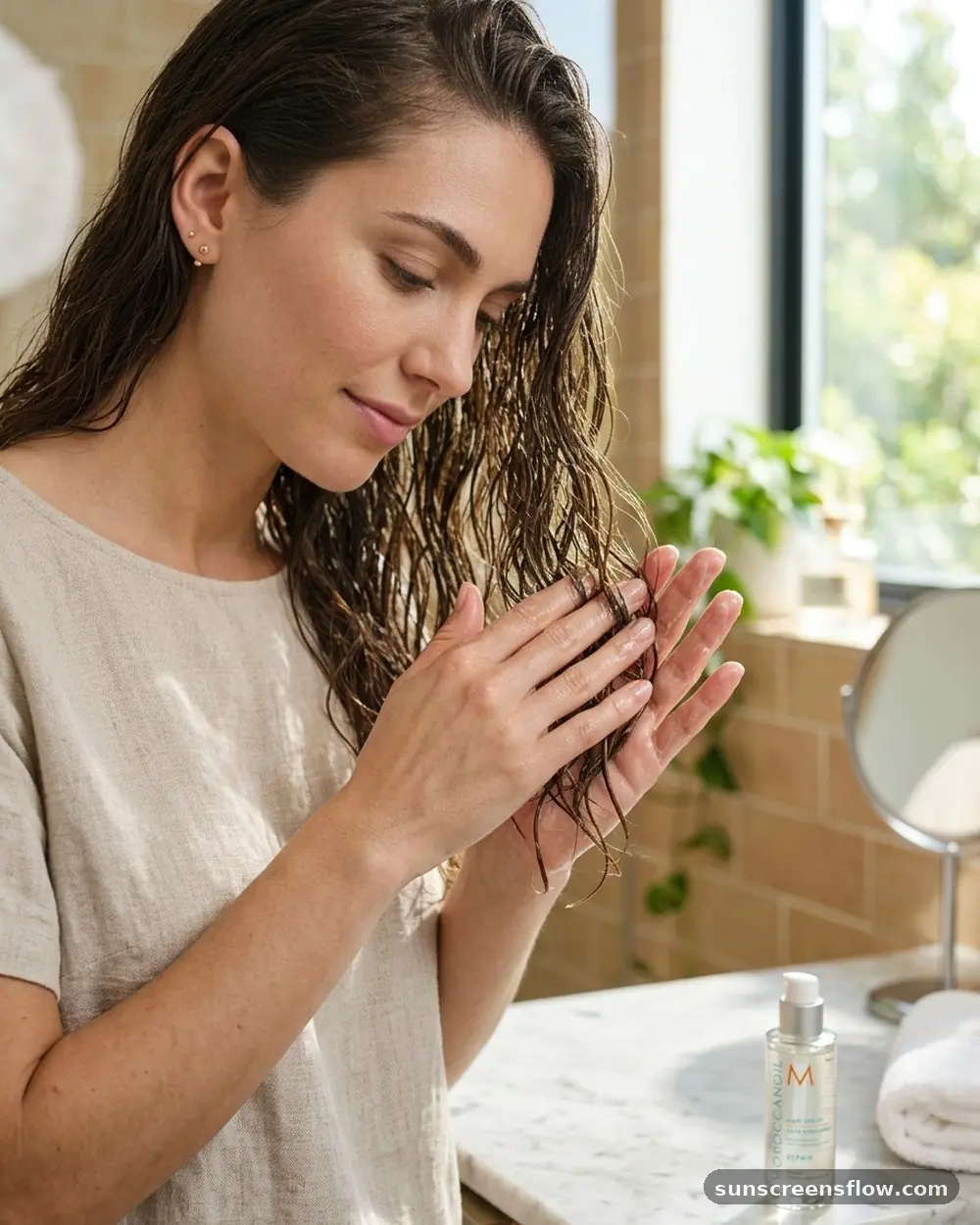
The next step, which many neglect, is to emulsify the product. Rub your hands together vigorously for a few seconds to warm the serum and spread it evenly across your palms and fingers. This ensures that when you touch your hair, the product is applied in a thin, uniform layer rather than in a concentrated clump.
Once emulsified, use a “praying hands” motion to glide your palms down the mid-lengths of your hair, moving toward the ends. Focus the majority of the product on the tips, as this is the oldest and most vulnerable part of the hair strand. If you have any leftover product on your hands, you can lightly graze the surface of your hair to tame those top-layer flyaways, but never let your fingers massage the serum into the roots.
Addressing Topical Gaps: Serum Myths and Reality
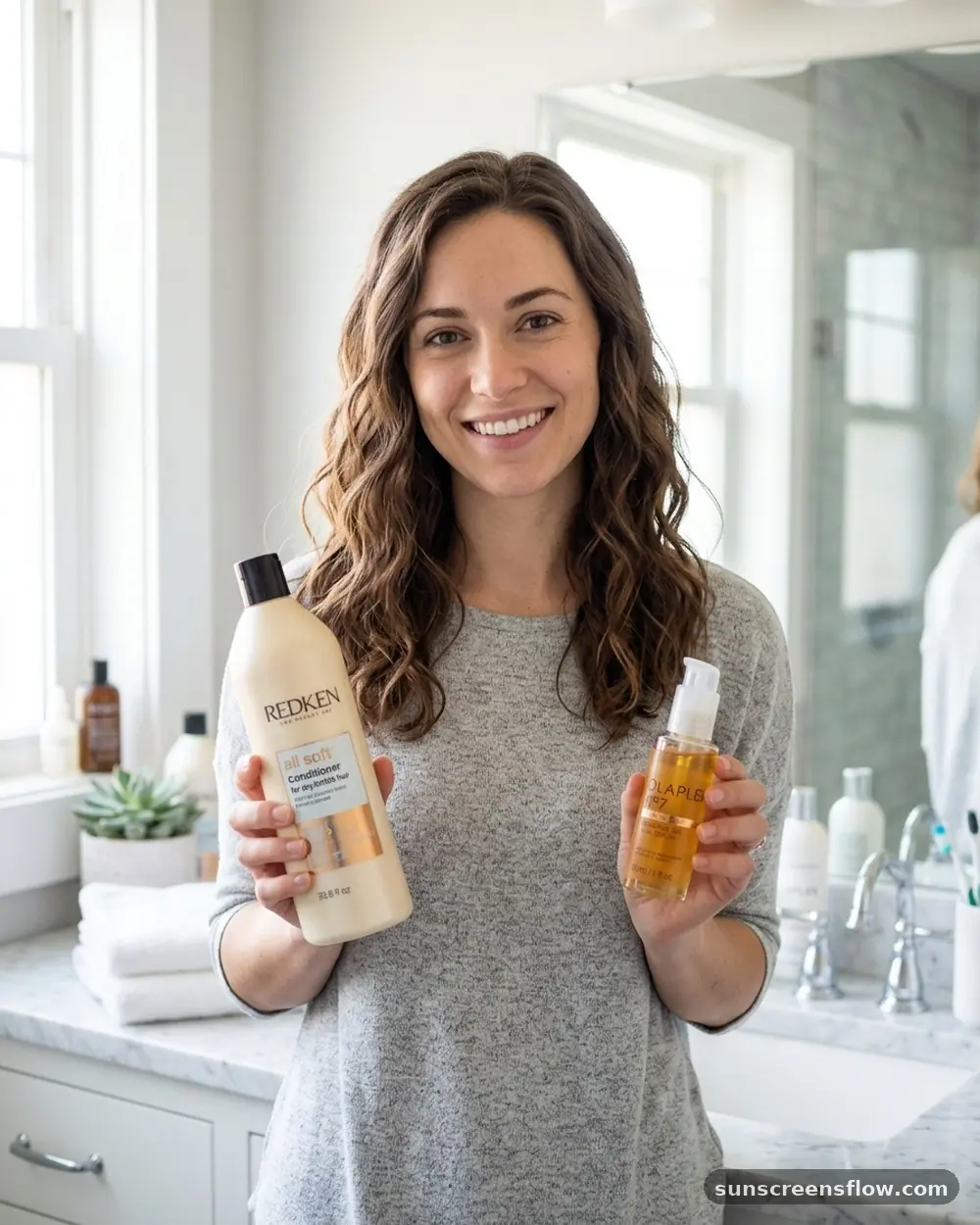
There is a persistent myth that hair serum is a replacement for conditioner. It is important to clarify that serum is a styling product, not a deep-conditioning treatment. While it makes the hair feel soft and silky, it does not provide the internal hydration that a mask or rinse-out conditioner provides.
If you skip your conditioning step and rely solely on serum, your hair will eventually become brittle because the serum is merely masking the dryness rather than fixing it. Another common gap in knowledge is the relationship between serum and daily washing. Do you need to wash your hair after using serum?
Generally, no. A high-quality serum should be absorbed or sit lightly on the hair without leaving a sticky residue. However, if you are applying serum daily, you should ensure you are using a clarifying shampoo at least once a week to prevent product buildup on the hair shaft.
Furthermore, many users worry about the term “silicone-based.” While some fear silicones, they are actually the gold standard for frizz control and heat protection. The key is to choose water-soluble silicones if you are worried about buildup.
These can be easily rinsed away with a gentle shampoo, meaning you don’t have to worry about your hair becoming “addicted” or permanently coated. By focusing on the mid-lengths and ends, you avoid the common pitfalls that give serums a bad reputation for being greasy or heavy, ensuring your hair stays bouncy and vibrant between washes.
Optimizing for Heat Styling and Protection
When you incorporate thermal styling into your routine, the order of operations becomes paramount. If you are using a blow dryer, apply the serum to damp hair before you start the drying process. This allows the serum to act as a barrier against the heat, preventing the moisture inside the hair from boiling and causing internal damage.
If you are using a flat iron or curling wand on dry hair, use a serum specifically formulated to handle high temperatures. Many professional-grade serums have a “heat-activated” component that strengthens the bond of the product when exposed to warmth.
Be mindful of the temperature settings on your tools. Even with the best serum as a heat protectant, excessive heat will eventually break down the protein structure of your hair. Use the lowest effective heat setting to achieve your desired style.
If you notice a hissing sound when your iron touches your hair, it means your hair is either too wet or you have applied too much product. In this scenario, stop immediately, let your hair cool, and re-evaluate your application. By using the serum as a smoothing agent rather than a lubricant for the heat tool, you protect the health of your hair while achieving a professional, sleek look that lasts all day.
Managing Flyaways and Daily Maintenance
Even with the perfect blowout, environmental factors like humidity and wind can cause flyaways to appear throughout the day. This is where a small travel-sized bottle of serum becomes your best friend. The key to mid-day touch-ups is the “less is more” philosophy.
You only need a fraction of the amount you used in the morning. To refresh your style, put a tiny drop of serum on your fingertips, rub them together to emulsify, and gently smooth the flyaways by running your fingers over the surface of your hair.
This technique is particularly useful for those living in humid climates where frizz control is a constant battle. By sealing the hair cuticle with a tiny amount of product, you prevent the hair from absorbing moisture from the air, which is the primary cause of sudden frizz. Additionally, if you have split ends that are becoming visible, a light application of serum can temporarily “glue” the ends together, making them look healthier and less frayed until your next trim.
Remember that this is a temporary fix; regular haircuts remain the only way to permanently remove damaged ends. Use the serum as a tool to maintain your style’s integrity, not as a permanent solution to structural damage.
The Long-Term Benefits of Proper Serum Use
Consistency is the hallmark of a great hair care routine. When you use hair serum correctly over several months, you will notice a significant improvement in the overall texture and manageability of your hair.
By protecting the hair from the daily friction of clothing, brushing, and styling, you are essentially creating a shield that allows the hair to grow longer and stronger. Many people find that they experience less breakage when they commit to using a serum, especially if they have long hair that is prone to tangling.
The cumulative effect of keeping the hair cuticle sealed is that your hair retains its natural moisture much better. This leads to a healthier appearance, with more natural shine and less reliance on heavy styling products. Furthermore, because your hair is smoother and less prone to knots, you will find yourself brushing it less aggressively, which in turn reduces the likelihood of mechanical damage.
By mastering how to use hair serum, you are investing in the health of your hair, ensuring that it remains vibrant, soft, and protected regardless of the styling challenges you face. Whether you are aiming for a sleek, straight look or trying to define your natural waves, the right serum used with the right technique is an indispensable ally in your journey toward hair health.
Frequently Asked Questions
Do I need to wash my hair after applying serum?
No, you do not need to wash your hair after applying hair serum. It is designed to be a leave-in product that stays on the hair to provide shine and protection. However, you should use a clarifying shampoo occasionally if you notice product buildup.
Can I use hair serum every single day?
Yes, you can use hair serum daily, but you must be careful with the quantity. Using too much product every day can lead to buildup, which makes the hair look greasy. A tiny, pea-sized amount is usually sufficient for daily maintenance and frizz control.
Does hair serum actually help with hair growth?
Hair serum does not directly stimulate hair follicles to increase growth speed. However, by protecting the hair shaft and preventing breakage, it helps you retain more length over time, which makes your hair appear longer and healthier as it grows out naturally.
Is it better to apply serum to wet or dry hair?
It depends on your goal. Applying it to damp hair is best for overall heat protection and smoothing during the drying process. Applying it to dry hair is ideal for a quick finish, adding shine, and taming flyaways at the end of your styling routine.
Conclusion
Mastering how to use hair serum is a transformative skill for anyone looking to elevate their daily styling routine. By understanding the importance of emulsifying the product, focusing on the mid-lengths and ends, and choosing a formula that aligns with your specific hair texture and hair porosity, you can achieve professional results at home. Whether you are seeking frizz control, protection against thermal styling, or simply a healthy, high-gloss shine, the proper application of serum is the final piece of the puzzle.
Remember that while serum is a powerful tool for visual enhancement and protection, it works best when paired with a consistent conditioning routine. By incorporating these techniques, you ensure that your hair remains protected, manageable, and radiant, allowing you to face any environment with confidence. Stay consistent, start with a small amount, and let your healthy, shiny hair speak for itself.


