


A face serum is a lightweight, highly concentrated skincare formulation designed to deliver powerful active ingredients directly into the skin. Unlike heavier creams or lotions, a serum is engineered with a smaller molecular structure, allowing for deeper penetration and more effective results.
Because these products contain a higher percentage of potent molecules, they are often considered the workhorses of a daily beauty regimen, targeting specific concerns like fine lines, dullness, or dehydration with surgical precision. By understanding the science behind these formulas, you can better tailor your routine to address your unique complexion needs.
The Science of Formulation and Molecular Weight
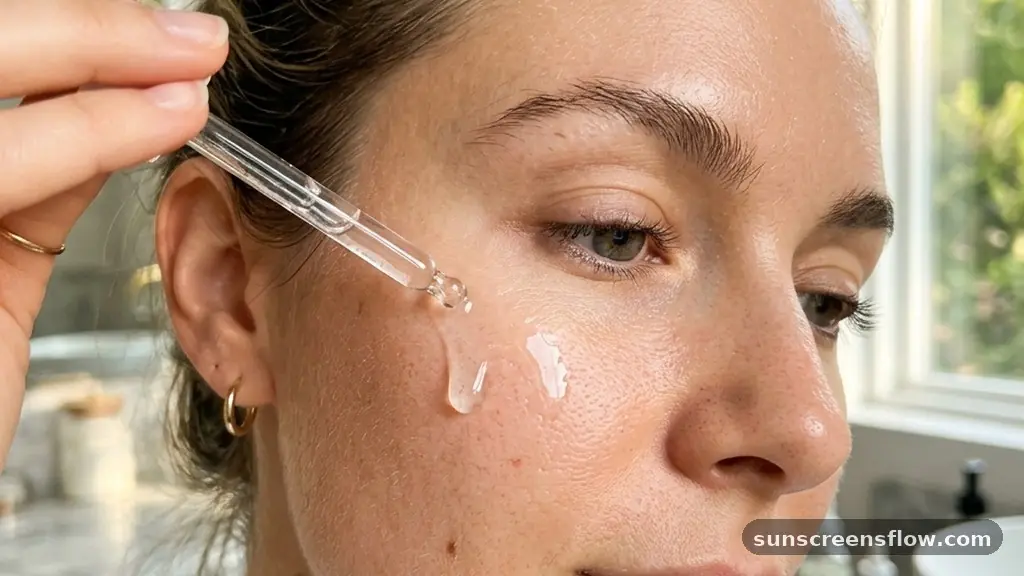
At its core, a face serum is a topical application that prioritizes efficacy over broad-spectrum protection. The primary differentiator between a serum and a standard moisturizer is the molecular weight of its components.
Because the ingredients in a serum are often smaller, they can bypass the outermost layers of the skin more efficiently. This unique delivery system allows the product to perform a transdermal function, reaching deeper layers where cellular activity and collagen synthesis occur.
Most serums are categorized as either water-based or oil-based, depending on their intended purpose. Water-based formulas are typically lighter and designed to sink in almost immediately, making them ideal for layering under other products. Oil-based serums, conversely, often function as a delivery vehicle for fat-soluble vitamins and fatty acids.
Because they lack the heavy occlusive agents found in creams—such as waxes or thick mineral oils—serums rarely leave a heavy residue. Instead, they provide a concentrated dose of targeted nutrients that prep the skin for the rest of your routine. This distinction is vital for those with acne-prone skin, as heavy occlusives can sometimes clog pores, whereas properly formulated serums remain non-comedogenic and breathable.
Key Active Ingredients and Their Functions
When you look at the ingredient deck of a high-quality serum, you are looking at a masterclass in chemistry. These products are usually built around a specific “hero” ingredient that addresses a particular skin issue.
For instance, if you are looking to combat hyperpigmentation or brighten a tired complexion, you will likely find vitamin C at the top of the list. This potent antioxidant protects the skin from environmental stressors while actively fading dark spots over time.
Other common ingredients include:
- Hyaluronic acid: A powerful humectant that binds water to the skin, providing intense hydration and a plumping effect.
- Retinol: A vitamin A derivative that accelerates cell turnover and boosts collagen production, effectively reducing the appearance of wrinkles.
- Niacinamide: A versatile form of vitamin B3 that helps regulate oil production, minimize pore appearance, and strengthen the skin barrier.
- Peptide complexes: Short chains of amino acids that act as building blocks for proteins like elastin and collagen.
- Salicylic acid and glycolic acid: Exfoliating agents that remove dead skin cells to improve overall skin texture.
By selecting a serum that centers on one or two of these powerhouses, you ensure that your skin receives a focused treatment rather than a diluted one, maximizing the return on your skincare investment.
Serum vs Moisturizer: Understanding the Difference
A common point of confusion for many consumers involves the debate of serum vs moisturizer. It is important to realize that these two products are not interchangeable; rather, they are complementary.
A moisturizer is primarily designed to lock in moisture and protect the skin from external elements by forming a barrier on the surface. In contrast, a serum is designed to penetrate beneath that barrier to treat specific concerns.
If you were to skip the serum and only use a moisturizer, you might achieve basic hydration, but you would miss out on the corrective benefits that high-concentration actives provide. Conversely, if you use only a serum, you might find that your skin feels tight or dry as the day progresses because most serums lack the occlusive ingredients necessary to prevent transepidermal water loss.
Think of the serum as the treatment and the moisturizer as the seal. Applying them in the correct order—thinnest to thickest—ensures that the active ingredients have the best chance to work without being blocked by heavier creams.
| Feature | Face Serum | Moisturizer |
|---|---|---|
| Primary Goal | Treatment & Correction | Protection & Hydration |
| Consistency | Lightweight, thin | Creamy, thick |
| Absorption | Rapid, deep penetration | Slower, surface-level |
| Active Concentration | High | Low to Moderate |
Addressing Topical Gaps: Common Misconceptions
Many users are uncertain about how to integrate serums into a routine that already includes acids or retinoids. One major topical gap is the fear of “over-treating” the skin. There is a prevalent myth that using multiple serums will lead to irritation.
However, the key is not the number of products, but the compatibility of the ingredients. For example, using a salicylic acid serum in the morning and a retinol serum at night is generally safe for many, provided the skin is acclimated.
Another gap in public knowledge is the role of serums in acne management. Many people with breakouts avoid serums, fearing they will exacerbate the issue. In reality, specific serums containing niacinamide or zinc can be incredibly beneficial for acne-prone skin by balancing sebum production and reducing inflammation.
The issue usually lies in the base of the formula, not the active ingredient itself. Always look for labels that explicitly state the formula is non-comedogenic. By filling these knowledge gaps, you move from a trial-and-error approach to a strategic, science-backed skincare ritual that yields visible, long-term results.
The Role of Antioxidants in Environmental Protection
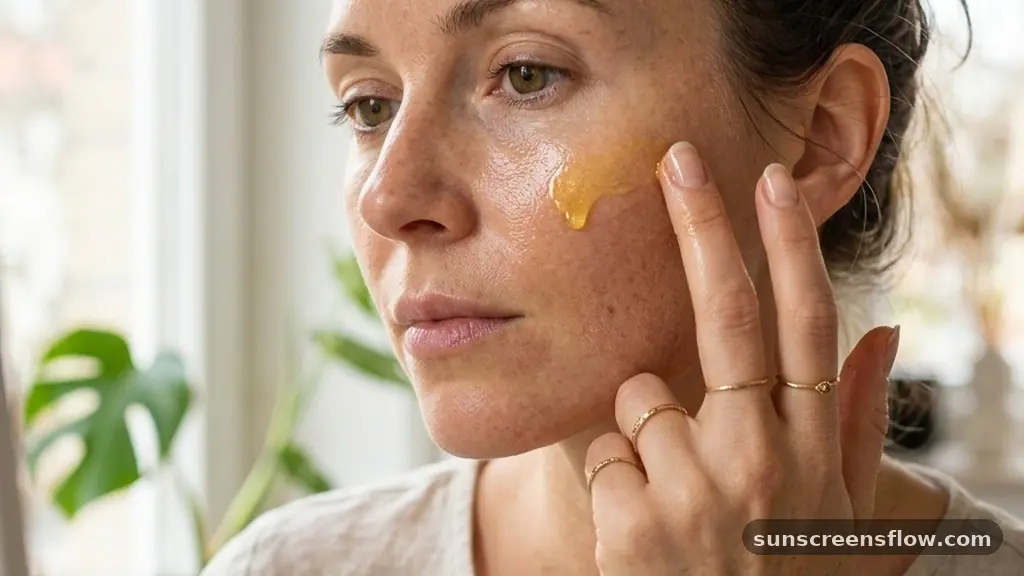
In the modern world, our skin is constantly under siege from pollution, blue light, and ultraviolet radiation. This is where antioxidant-rich serums become essential.
An antioxidant serum acts as a shield, neutralizing free radicals before they can damage your collagen fibers and cellular DNA. While sunscreen is the final line of defense against UV damage, an antioxidant serum provides an extra layer of protection that works from within the skin’s surface.
For example, a serum containing vitamin C works by donating electrons to unstable free radicals, effectively stopping the chain reaction of oxidative stress. This not only prevents premature aging but also helps maintain a brighter, more even tone.
When integrated into a morning routine, these serums can make a noticeable difference in how the skin handles environmental stressors throughout the day. Over time, this consistent protection preserves the skin’s structural integrity, leading to fewer signs of environmental damage and a more resilient complexion that recovers faster from daily exposure.
Optimizing Skin Texture and Cellular Turnover
Achieving a smooth, refined appearance often requires more than just hydration; it requires active intervention in the skin’s natural exfoliation process. Serums formulated with chemical exfoliants like glycolic acid or lactic acid are specifically designed to gently dissolve the bonds between dead skin cells on the surface. This process is crucial for improving skin texture and allowing other skincare products to absorb more effectively.
When dead skin cells accumulate, they create a physical barrier that prevents serums and moisturizers from reaching their target. By incorporating a gentle exfoliating serum into your routine a few times a week, you “clear the path.” Furthermore, ingredients that stimulate collagen production, such as retinoids or certain peptides, work by encouraging the skin to cycle through its renewal phase more rapidly.
As this turnover increases, fine lines appear softened, and the skin takes on a more youthful, luminous quality. Consistency is the most important factor here, as the skin requires time to adapt to these potent ingredients and show visible improvements in smoothness and clarity.
The Importance of Skin Barrier Health
Your skin barrier is the frontline defense against bacteria, irritants, and dehydration. A compromised barrier often manifests as redness, flaking, or a persistent feeling of tightness. Many individuals accidentally damage their barrier by using too many harsh products at once.
Serums can play a pivotal role in repairing this essential layer. Look for formulas containing ceramides, fatty acids, or soothing agents like panthenol.
A well-formulated barrier-repair serum works by mimicking the natural lipids found in the skin. When these lipids are replenished, the skin becomes more resilient and better able to retain moisture. This is particularly important for those who use active ingredients like retinol or high-strength acids, which can sometimes cause temporary irritation.
By pairing your corrective serums with barrier-supporting products, you maintain a healthy equilibrium. A strong barrier is the foundation of all skin health; without it, even the most expensive treatments will fail to produce the desired results because the skin is too inflamed or reactive to benefit from them.
Strategic Application for Maximum Results
The way you apply your serum is just as important as the product you choose. Because these formulas are concentrated, you only need a small amount—usually three to four drops—to cover the entire face and neck.
Start by cleansing your face thoroughly to remove dirt and excess oils, which ensures that nothing impedes the penetration of the active ingredients. Apply the serum to slightly damp skin; the presence of a small amount of water can help some ingredients, like hyaluronic acid, draw more moisture into the epidermis.
Gently press the serum into your skin using your palms or fingertips rather than rubbing it in aggressively. This “press-and-pat” technique prevents unnecessary tugging, which is especially beneficial for the delicate skin around the eyes. After applying, wait about 60 seconds to allow the product to fully absorb before moving on to your moisturizer or sunscreen.
This brief pause is the secret to preventing pilling, where products ball up on the skin’s surface. By treating the application process as a ritual rather than a chore, you ensure that every drop of your serum is utilized effectively, leading to faster results and a more enjoyable skincare experience.
FAQ: Common Questions
Should I use face serum every day?
Yes, most serums are designed for daily use to provide consistent results. However, if you are using a potent active like a high-strength retinol or acid, you may want to start by using it only a few nights a week to allow your skin to adjust.
Is a serum better than a moisturizer?
Neither is “better” because they serve different purposes. A serum is a treatment designed to penetrate deep into the skin to address specific concerns like aging or spots, while a moisturizer is designed to seal in hydration and protect the surface of the skin from moisture loss.
What are the disadvantages of face serum?
The main disadvantage is the cost, as high-quality serums are often more expensive due to their concentrated active ingredients. Additionally, if you choose the wrong formula for your skin type, it could lead to irritation or breakouts, making it crucial to check ingredient lists for compatibility.
What does serum do to the face?
A face serum delivers a high concentration of active ingredients directly into the skin. Depending on the formula, it can brighten the complexion, boost collagen, provide deep hydration, exfoliate dead skin cells, or regulate oil production, ultimately improving the overall health and appearance of your skin.
Conclusion
Understanding what a face serum is and how it functions is the key to transforming your skincare routine from a basic necessity into a targeted treatment system. By focusing on the active ingredients that address your specific concerns—whether that is hyperpigmentation, loss of elasticity, or dullness—you can achieve professional-level results at home.
Remember that serums work best when they are layered correctly, applied to clean skin, and followed by a moisturizer to lock in all those beneficial nutrients. By prioritizing the health of your skin barrier and choosing products that are scientifically formulated for your unique needs, you can maintain a vibrant, healthy, and resilient complexion for years to come.


