

Achieving longer, fuller lashes often feels like a pursuit that requires expensive clinical products or risky chemical additives. However, learning how to make lash serum at home allows you to harness the power of natural ingredients to support eyelash health without the high price tag or the hidden additives found in commercial alternatives.
By focusing on eyelash conditioning and hair follicle stimulation, you can create a personalized blend that aligns with your specific needs, whether you are dealing with brittle lashes or simply want to encourage thicker growth. This process combines the simplicity of DIY skincare with the precision of botanical science, ensuring that every drop you apply is packed with nourishing elements designed to support the natural lash cycle.
Understanding the Science of Eyelash Growth
To effectively support your lashes, it is essential to first understand how they grow and why they sometimes become thin or brittle. Each lash goes through three distinct phases: the anagen (growth) phase, the catagen (transition) phase, and the telogen (resting) phase.
During the anagen phase, the hair follicle is actively producing the hair shaft. External factors, such as harsh makeup removal, physical rubbing, or nutritional deficiencies, can disrupt this cycle, leading to premature shedding or lash breakage.
When you apply a serum, you are not necessarily “forcing” growth in a biological sense, but rather providing the optimal environment for the follicle to thrive. Eyelash conditioning is the primary mechanism here; by coating the lash in lipids and vitamins, you improve the flexibility of the hair shaft. This reduces the likelihood of the lash snapping off under stress.
Furthermore, ingredients that promote blood flow to the follicle can assist in hair follicle stimulation, keeping the growth phase active for as long as possible. By creating your own serum, you control the quality of these nutrients, ensuring they are free from synthetic prostaglandins or irritating preservatives that can sometimes cause discoloration or sensitivity around the delicate eyelid skin.
Essential Carrier Oils for Lash Nourishment
The foundation of any effective lash serum lies in the choice of carrier oils. These oils act as the delivery vehicle for the more potent active ingredients. Castor oil is widely considered the gold standard for lash care because of its high concentration of ricinoleic acid, a type of fatty acid that is believed to help moisturize and strengthen the hair. When searching for castor oil, always look for cold-pressed, hexane-free varieties to ensure you are getting the purest product for your eyes.
Beyond castor oil, other oils offer unique benefits for eyelash health. Jojoba oil is structurally similar to the natural sebum produced by human skin, making it an excellent choice for deep penetration without leaving a greasy residue. Almond oil is rich in magnesium and vitamin E, which helps repair damaged hair fibers. Coconut oil, while popular, should be used with caution; its low molecular weight allows it to penetrate the hair shaft effectively, but it can be comedogenic for some individuals. When selecting your base, consider a blend of two or three oils to capture a wider range of fatty acids and vitamins, creating a more comprehensive treatment for your lashes.
Incorporating Targeted Nutrients and Vitamins
Once you have established a base of carrier oils, the next step in learning how to make lash serum is the inclusion of targeted nutrients. Vitamin E oil is a powerhouse antioxidant that protects the lashes from environmental stressors and oxidative damage. It serves as a natural stabilizer, helping to extend the shelf life of your serum slightly, though it is not a replacement for a formal preservative.
Biotin is another frequently discussed ingredient in the context of hair growth. While biotin is most effective when ingested, many DIY enthusiasts incorporate biotin oil or liquid supplements into their serum blends. The theory is that topical application provides a localized boost to the keratin production within the follicle.
Additionally, some practitioners add a drop of rosemary essential oil to their blends. Research suggests that rosemary may improve circulation to the scalp, and by extension, it may help stimulate the follicles along the lash line.
However, because the skin around the eyes is exceptionally thin, essential oils must be diluted heavily. Never apply undiluted essential oils to your eyelids, as they can cause severe irritation or chemical burns.
Maintaining Sterile Equipment and Safety
Safety is the most critical aspect of creating any product that will be applied near the eyes. Because you are creating a preservative-free formula, you must be hyper-vigilant about hygiene. The eyes are highly susceptible to bacterial infections, and introducing contaminated oil into your lash line can lead to styes or conjunctivitis.
To begin, ensure you have a sterile dropper bottle or a clean mascara wand container. You can sterilize your glass bottles by boiling them in water for ten minutes and allowing them to air dry completely. Avoid using plastic containers that cannot withstand high heat, as they may leach chemicals into your serum.
Always wash your hands thoroughly before handling your ingredients or applying the serum. If your serum changes color, develops an odd scent, or appears cloudy, discard it immediately.
Because this is a water-free or low-water formula, it is more stable than lotions, but it will still eventually oxidize. Storing your serum in a cool, dark place, away from direct sunlight, will help preserve the integrity of the botanical oils.
Conducting a Proper Patch Test
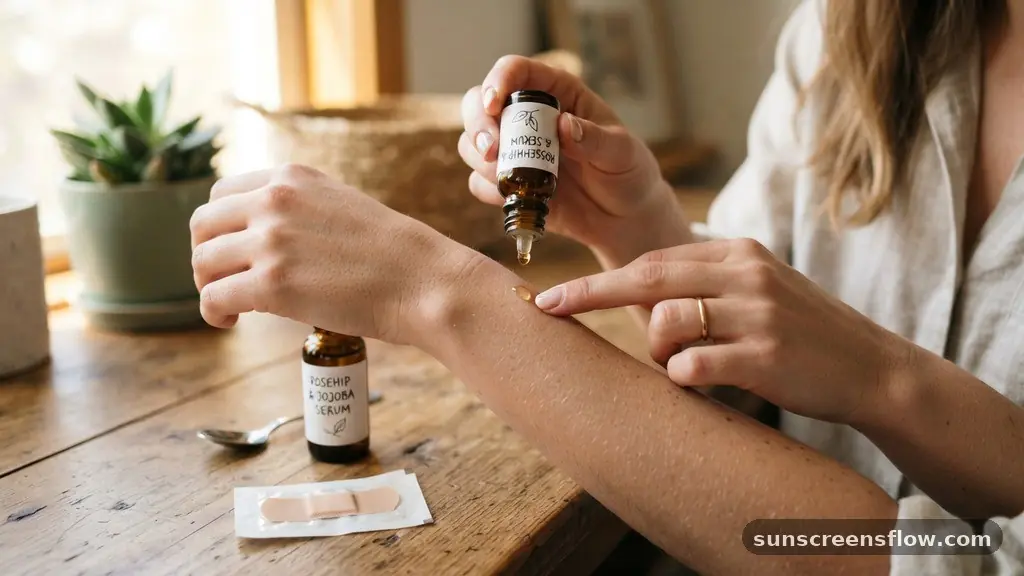
Before you commit to daily use of your homemade lash serum, you must conduct a patch test. Many people assume that “natural” equals “allergy-free,” but this is a dangerous misconception. Essential oils, nut-based carrier oils, and even botanical extracts can trigger allergic reactions in sensitive individuals.
To perform a patch test, apply a small amount of the prepared serum to the inside of your forearm or behind your ear. Cover the area with a bandage and wait 24 to 48 hours. If you notice any redness, itching, swelling, or burning, do not use the serum on your eyes.
If you have a history of seasonal allergies or sensitive skin, consider doing a secondary patch test near the outer corner of your eyelid, but only after the initial forearm test proves clear. This step is non-negotiable for eyelash serum safety, as the skin on the eyelids is significantly thinner and more permeable than the skin on your arm.
Step-by-Step Formulation Guide
Creating your own serum is a simple process that requires only a few minutes once your materials are prepared. The key is to start with a small batch to ensure you use it up before the ingredients lose their potency.
1. Select your base: Start with 1 tablespoon of castor oil.
2. Add a booster: Add 1/2 teaspoon of jojoba oil or almond oil for better absorption.
3.
Incorporate nutrients: Add 3-5 drops of vitamin E oil.
4. Optional scent/stimulant: Add a single drop of rosemary essential oil if you are not sensitive to it.
5.
Mix: Use a sterile glass stirring rod or swirl the bottle gently to combine the ingredients.
6. Transfer: Use a small funnel to pour the mixture into your sterile dropper bottle.
Once mixed, ensure the lid is tightly sealed. Label your bottle with the date of creation. Since you are not using synthetic preservatives, you should aim to use this batch within two to three months.
If it smells “off” or rancid, it has oxidized and should be replaced. The following table provides a quick reference for ingredient selection based on your specific lash goals.
| Ingredient | Primary Benefit | Best For |
|---|---|---|
| Castor Oil | Hydration & Thickness | Brittle, sparse lashes |
| Jojoba Oil | Deep Conditioning | Dry, stiff lashes |
| Vitamin E Oil | Antioxidant Protection | Damaged, weak lashes |
| Rosemary Oil | Follicle Stimulation | Encouraging growth cycles |
Application Techniques and Best Practices
Knowing how to apply your serum is just as important as the formula itself. Excessive application can lead to clogged pores or blurred vision, so moderation is key. The goal is to coat the lash line, not to saturate the eye area.
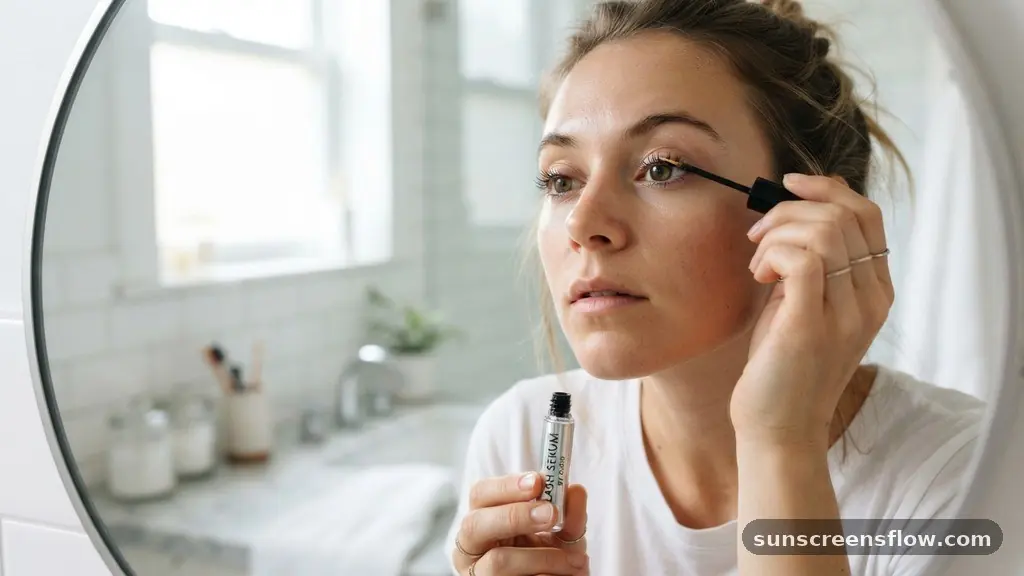
Use a clean, disposable spoolie brush or a very thin eyeliner brush to apply the serum. Dip the brush into the bottle, wipe off any excess on the rim, and carefully run the brush along the base of your upper lash line, similar to how you would apply liquid eyeliner. You can also lightly brush the tips of the lashes to provide a conditioning treatment.
It is best to apply the serum at night after you have thoroughly cleansed your face. Removing all makeup is vital; if you apply serum over residual mascara or eyeliner, you are effectively trapping dirt and makeup debris against your follicles, which can lead to inflammation. Consistency is the secret to success.
You will not see results overnight, as the lash cycle typically takes several weeks to complete. Commit to a nightly routine for at least eight to twelve weeks before evaluating the results.
Addressing Common Topical Gaps
A common concern among those learning how to make lash serum is the issue of pH balance. Because the eye environment is delicate, the pH of any product applied near it should ideally be neutral.
While oils are generally pH neutral, adding certain botanical extracts or water-based ingredients can shift this balance. By keeping your serum strictly oil-based, you avoid the need for emulsifiers and pH adjusters, which are complex to manage in a home setting.
Another gap in many DIY recipes is the lack of information regarding “lash migration.” Many people apply too much serum, which then travels into the eye, causing a milky film over the vision. This is usually caused by using oils that are too heavy or applying the product too close to the waterline.
To prevent this, always apply the serum to the skin just above the lash line, rather than the lashes themselves. The natural oils will migrate slightly, providing the necessary conditioning without overwhelming the eye. Finally, remember that your diet plays a massive role in lash health.
No serum can compensate for a diet severely lacking in protein, iron, or biotin. Treat your serum as a supplemental aid, not a total solution for systemic nutritional deficiencies.
Natural Beauty and Long-Term Lash Care
Embracing natural beauty means working with your body’s existing processes rather than trying to force unnatural outcomes. When you use a homemade serum, you are taking a proactive stance on eyelash conditioning that avoids the harsh chemicals often found in mass-market products. Long-term care involves more than just a bottle of oil; it involves lifestyle habits that protect the hair follicles.
Avoid using waterproof mascara on a daily basis, as the removal process is notoriously rough on the lashes. If you use an eyelash curler, ensure the rubber pad is clean and soft; a hard or cracked pad can slice through the lash hair. Consider incorporating a silk pillowcase to reduce friction while you sleep, which can prevent the lashes from snagging or pulling.
Finally, be patient. The process of supporting your lashes is a marathon, not a sprint.
By maintaining a consistent routine and using high-quality, cold-pressed oils, you are investing in the health and vitality of your lashes for years to come. Your lashes are a frame for your eyes, and with the right care, they can look their best without the need for synthetic enhancements.
Frequently Asked Questions
Is it safe to use castor oil on my eyelashes every night?
Yes, pure, cold-pressed castor oil is generally safe for daily use on eyelashes. However, ensure you use a clean applicator and avoid getting the oil directly inside your eye, as it can cause temporary blurriness or minor irritation if it enters the eye itself.
How long does a homemade lash serum stay fresh?
Since homemade serums are typically preservative-free, they have a shorter shelf life than commercial products. You should aim to use your batch within two to three months. If the serum develops a sharp, metallic, or rancid odor, it has oxidized and should be discarded immediately.
Can I use essential oils in my lash serum?
You can use essential oils like rosemary, but they must be diluted significantly. Use no more than one drop per tablespoon of carrier oil. Always perform a patch test first, as the skin around the eyes is extremely sensitive and prone to allergic reactions.
Will a natural serum make my lashes grow longer?
Natural serums focus on conditioning and strengthening existing lashes to prevent breakage, which can make them appear longer and fuller. While they support the natural lash cycle, they do not contain pharmaceutical growth agents and will not change your genetics or the biological growth rate of your hair.
In conclusion, learning how to make lash serum is a rewarding endeavor that puts the power of eyelash conditioning directly into your hands. By using high-quality carrier oils like castor oil and jojoba oil, and supplementing with protective nutrients like vitamin E oil, you can create a safe, effective, and preservative-free treatment. Remember that the key to success lies in hygiene, consistency, and patience as you work with your natural lash cycle.
By avoiding harsh removal methods and prioritizing eyelash health from the inside out, you can support thicker, healthier-looking lashes using simple, botanical ingredients. Always prioritize safety through sterile equipment and proper patch testing to ensure that your journey toward natural beauty remains a positive and irritation-free experience.


