

Understanding what hair serum do for your hair is essential for anyone looking to refine their styling routine and improve the overall appearance of their strands. While many people confuse these products with oils or heavy conditioners, serums serve a very specific, functional purpose in haircare. By forming a protective barrier around each strand, they offer immediate visual improvements while guarding against external damage.
Whether you are battling persistent humidity or simply looking to add a polished touch to your daily look, incorporating the right serum can change how your hair behaves throughout the day. This article breaks down the science, application methods, and long-term benefits of using these concentrated formulas.
The Core Function of Hair Serum
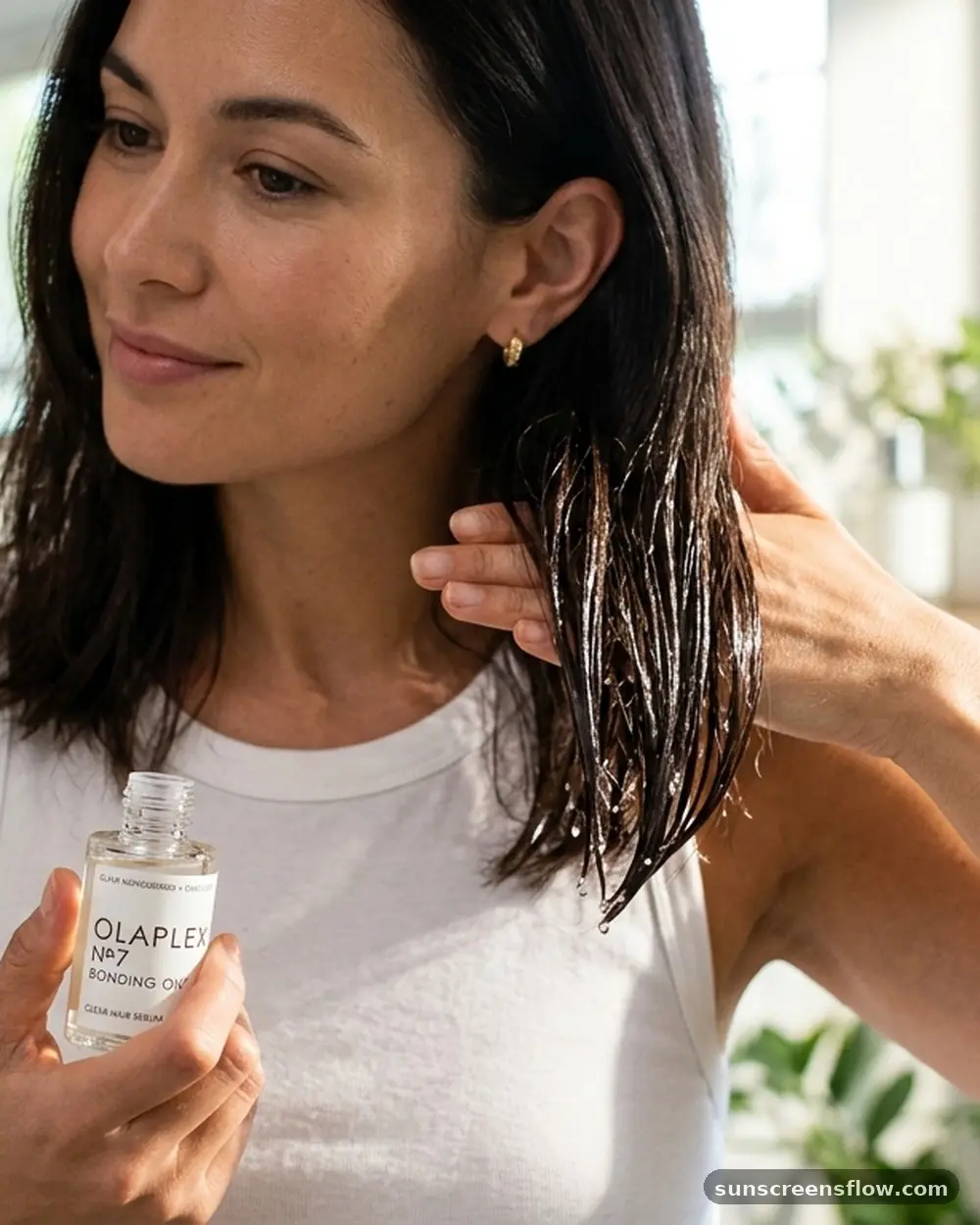
At its most basic level, hair serum acts as a cosmetic coating for the hair shaft. Unlike conditioners that penetrate the inner structure to provide deep hydration, serums are designed to sit on the surface.
They typically feature a silicone-based formula that fills in microscopic gaps along the cuticle layer. By smoothing these rough edges, the serum creates a reflective surface, which is why shine enhancement is one of the most immediate benefits users notice.
Beyond aesthetics, this coating provides a physical barrier against environmental pollutants and humidity. When the cuticle is sealed, it cannot easily absorb excess moisture from the air, which is the primary driver of frizz.
This creates a more manageable surface that is resistant to changes in the weather, helping your hairstyle remain consistent from morning to night. Because these products are often formulated with lightweight agents, they provide these benefits without weighing down fine hair or making it appear limp.
Managing Frizz and Flyaways
Frizz often occurs when the hair cuticle is raised, allowing moisture to escape or enter the strand unevenly. When you apply a high-quality serum, the smoothing agents work to flatten these cuticles, effectively taming unruly flyaways. This is particularly useful for individuals with porous hair, as their strands are more prone to absorbing humidity and expanding throughout the day.
Consistency is key when using serum for frizz control. Rather than applying a large amount at once, it is better to start with a pea-sized drop and distribute it evenly through the mid-lengths and ends. By focusing on the areas that are most prone to static and environmental damage, you can keep your hair looking sleek without needing to rely on excessive heat or heavy styling waxes that might build up over time.
Thermal Styling and Heat Protection
Many people incorporate serum into their routine specifically as a heat protectant. When you use tools like flat irons, curling wands, or blow dryers, you are subjecting the hair shaft to extreme temperatures that can strip away natural oils and weaken the protein structure. A good serum creates a thermal shield, helping to distribute heat more evenly across the hair strand rather than allowing it to burn the delicate outer layers.
If you frequently engage in thermal styling, look for serums that contain ingredients specifically designed to withstand high temperatures. Applying the product to damp hair before drying provides an initial layer of defense.
You can then add a tiny bit more once the hair is styled to lock in the finish and further protect the strands from the residual heat of the styling process. This dual-action approach is a standard practice for maintaining hair health while still achieving a professional-looking blowout or straightened style.
The Role of Silicone in Modern Serums
Silicone-based ingredients are the backbone of most commercial hair serums. These substances are prized for their ability to glide over the hair, providing a silky, non-greasy feel that is difficult to replicate with natural oils alone. Silicones are hydrophobic, meaning they repel water, which is exactly why they are so effective at preventing frizz and maintaining style integrity during rainy or humid days.
While some individuals worry about buildup, modern cosmetic chemistry has introduced water-soluble silicones that are much easier to remove during a standard wash cycle. The key to avoiding buildup is to apply the serum only where it is needed—usually the mid-lengths to the ends—and to avoid the scalp entirely. When used correctly, these ingredients provide a protective, aesthetic finish that makes the hair look healthier and more vibrant than it would in its natural, untreated state.
Comparing Hair Serum and Hair Oil
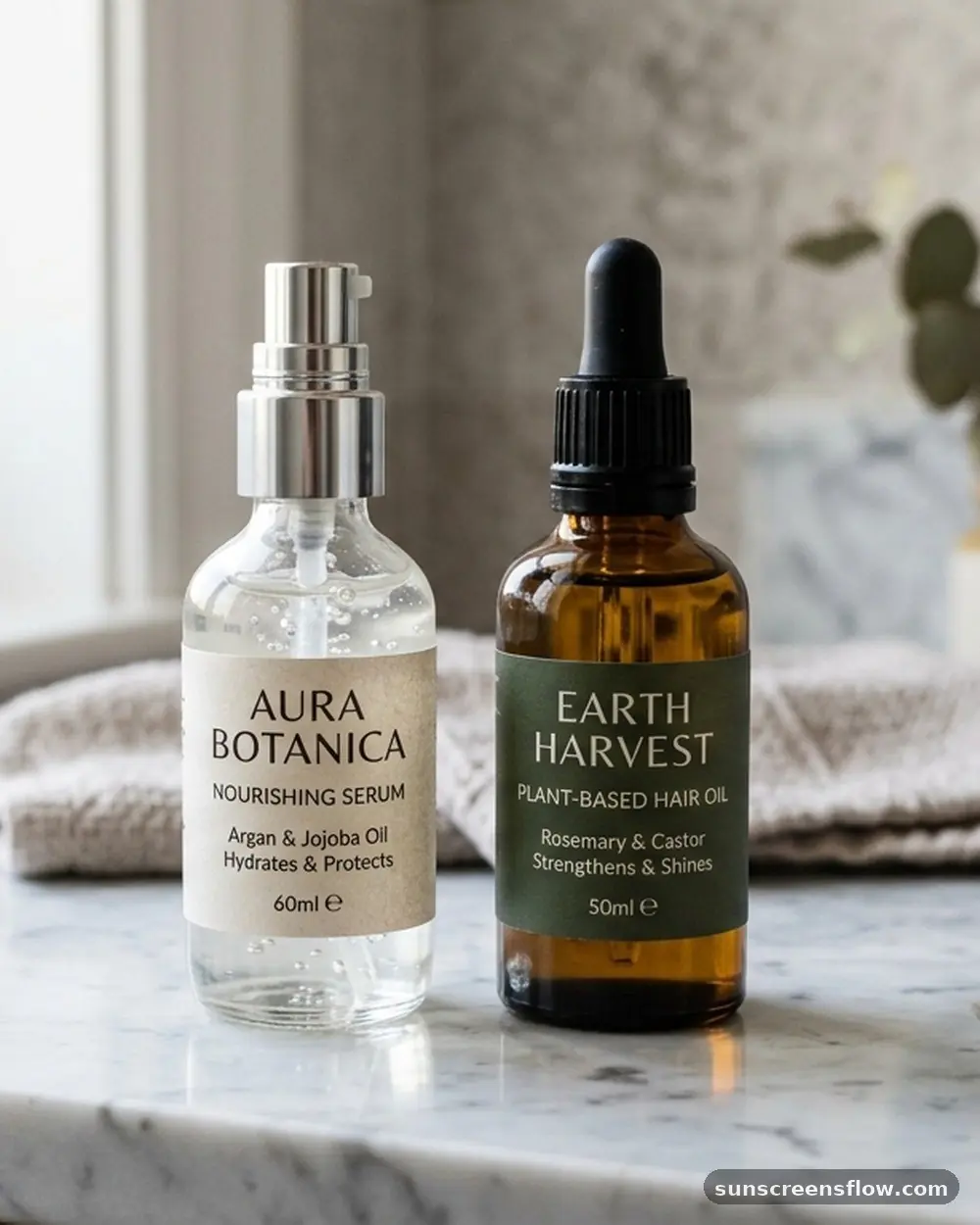
Understanding the difference between serum and oil is a common point of confusion. While both are used to improve the appearance of the hair, they function in fundamentally different ways. The following table highlights the primary distinctions between these two popular hair care categories.
| Feature | Hair Serum | Hair Oil |
|---|---|---|
| Primary Goal | Smoothing and shine | Nourishment and hydration |
| Base Ingredient | Silicones/Polymers | Natural plant oils |
| Penetration | Surface coating | Can penetrate the shaft |
| Styling Use | Best for finishing/heat | Best for pre-wash/treatments |
As the table shows, oils are often better suited for long-term health and scalp care, while serums are superior for immediate cosmetic results and styling protection. Many people find that they need both in their cabinet, utilizing oils for deep conditioning treatments and serums for daily maintenance and heat styling.
Application Techniques for Optimal Results
How and when you apply your product determines the final look. For the best results, damp hair application is generally recommended.
When the hair is slightly damp, the cuticle is already in a receptive state, and the serum can help lock in existing moisture before you begin styling. This prevents the hair from drying out as you blow-dry or air-dry, resulting in a smoother finish.
However, a dry hair finish is also a valid way to use these products. If you notice flyaways appearing hours after you have styled your hair, a very small amount of serum can be smoothed over the surface of the hair to calm static.
The trick is to warm the product in your palms first. By rubbing the serum between your hands for a few seconds, you activate the smoothing agents and ensure that the distribution is even, preventing any one spot from looking greasy or clumped.
Addressing Topical Gaps: Serum Myths and Realities
There is a common misconception that serums can repair split ends. It is important to clarify that no topical product can permanently fuse a damaged hair strand back together. Once the hair has split, the only way to truly remove the damage is to get a trim.
However, serums are excellent for masking the appearance of split ends. By coating the frayed ends, they temporarily bind the strands together, making the hair look healthier and preventing the split from traveling further up the hair shaft.
Another gap in common knowledge involves the frequency of use. Is hair serum good for daily use? Yes, provided the formula is lightweight and you are washing your hair regularly.
If you use a heavy, silicone-heavy product every single day without washing, you may eventually see styling product residue accumulate. If you are a daily user, look for a formula labeled as non-greasy or lightweight, and ensure you use a clarifying shampoo occasionally to keep your scalp and strands free of buildup.
Protecting Against Environmental Pollutants
Your hair is constantly exposed to environmental pollutants that can degrade its quality over time. Dust, smoke, and UV rays all contribute to dullness and brittleness.
A high-quality hair serum acts as a protective shield against these elements. By creating a physical barrier, the serum prevents dirt and particles from adhering directly to the hair cuticle, making it easier to wash them away during your next shower.
Some advanced serums also include specific UV protection. This is particularly beneficial for those who spend significant time outdoors.
Just as you protect your skin from sun damage, shielding your hair prevents the color from fading and the protein from breaking down due to prolonged UV exposure. Using a serum with these added properties ensures that your hair health is maintained even when you are exposed to harsh urban or natural environments.
The Aesthetic Benefits of Shine Enhancement
Ultimately, the primary reason many people reach for a serum is for the immediate shine enhancement. A healthy, well-moisturized cuticle reflects light, which creates the appearance of glossy, vibrant hair. Even if your hair is naturally coarse or prone to dryness, a serum can mimic the look of a healthy cuticle by providing a high-shine finish that lasts throughout the day.
This aesthetic boost is often what makes the difference between a “good hair day” and a “bad hair day.” By smoothing out the texture and adding a light-reflecting layer, you can make your hair look salon-finished without the need for a professional blowout. When you choose a product that suits your specific hair texture—whether it is fine, thick, curly, or straight—you are investing in a tool that simplifies your morning routine while elevating your overall look.
FAQ
How often should I use hair serum?
You can use hair serum as often as you wash and style your hair. For most people, this means applying a small amount after every wash. If you need to tame flyaways between washes, you can apply a tiny drop to dry hair, but be mindful of buildup.
Do I put serum on wet or dry hair?
Applying it to damp hair is best for heat protection and moisture retention during the drying process. Applying it to dry hair is ideal for finishing, smoothing out frizz, and adding shine after your hair is already styled. Always start with a small amount to avoid weighing hair down.
Is hair serum actually good for hair health?
While serums don’t provide deep biological repair, they are excellent for maintaining hair health. By protecting strands from heat, UV rays, and environmental pollutants, they prevent future damage and breakage. They also mask the appearance of split ends, keeping hair looking healthy while you wait for your next trim.
What are the common downsides of hair serum?
The main downside is the potential for product buildup if you use too much or choose a formula that is too heavy for your hair type. Additionally, because they are cosmetic, they cannot fix severe damage or split ends permanently. Always ensure you are using the right amount for your length.
Conclusion
Understanding what hair serum does for your hair allows you to make informed decisions about your styling routine. By acting as a protective, smoothing, and shine-enhancing layer, these products serve as a bridge between your natural hair and your desired aesthetic. Whether you are seeking to tame stubborn frizz, protect your strands from the rigors of heat styling, or simply want a more polished finish, a well-chosen serum is a versatile addition to any routine.
Start with a small amount, focus on your mid-lengths and ends, and observe how your hair responds to this added layer of care. Experimenting with different formulations will help you find the perfect match for your hair texture, ensuring your hair remains vibrant and protected every single day.
Meta Description: Discover what hair serum does for your hair, from frizz control and heat protection to shine enhancement and managing flyaways for a healthier look.


